As an important means of selecting local public officials, the provincial civil service examination has been of great social interest. In 2026, with the evolution of society and the changing employment situation, a number of new realities emerged from the provincial examinations。
The number of applicants continues to grow
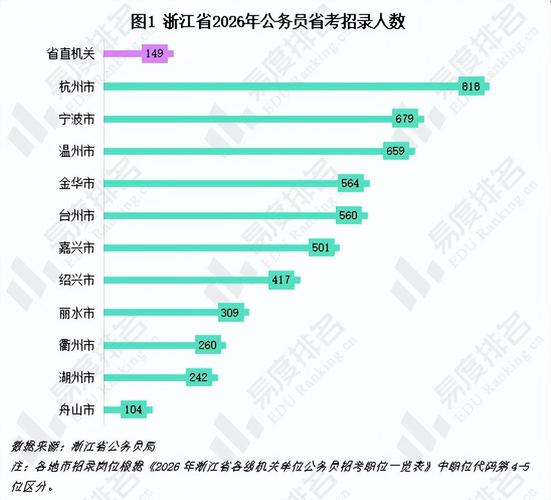
In recent years, there has been increasing competition in the job market and various types of enterprises face uncertainties, such as market volatility, industry adjustments, etc. By contrast, civil servants have a high level of job stability, a relatively good social status and guaranteed benefits, making them the first choice of many job-seekers. In 2026, the number of provincial candidates continued to show an upward trend. In some economically developed regions, for example, the percentage of candidates for certain popular posts is even one thousand, which is a good indicator of the attractiveness of public service jobs in the job market. Moreover, not only has there been a high level of enthusiasm for the examination of graduates, but many of those who have already done so have joined the provincial entrance examinations in the hope of achieving more stable career development through the recruitment of civil servants。
Diversity of groups applying for admission
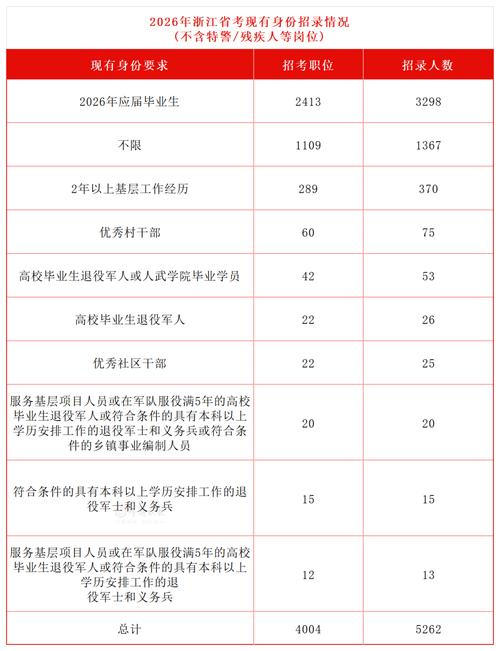
With the spread of education and the transformation of social attitudes, there has been a greater diversity of groups applying to the provincial examinations. In addition to traditional humanities candidates, there has also been a gradual increase in the number of candidates in such fields as science and technology and art. They wish to take advantage of their professional advantages by entering the civil service through provincial examinations. For example, candidates in the computer profession can contribute to the digital transformation of government by providing expertise in the information sector of the government; candidates in the arts category can do relevant work in sectors such as cultural promotion, and enrich the form and content of cultural activities. At the same time, there has been an increase in the number of applicants of different age groups, and some employed persons have opted for provincial examinations for career advancement or transfer, which has increased the competition for provincial examinations。
The contents of the examination and the form test focus on combined competencies
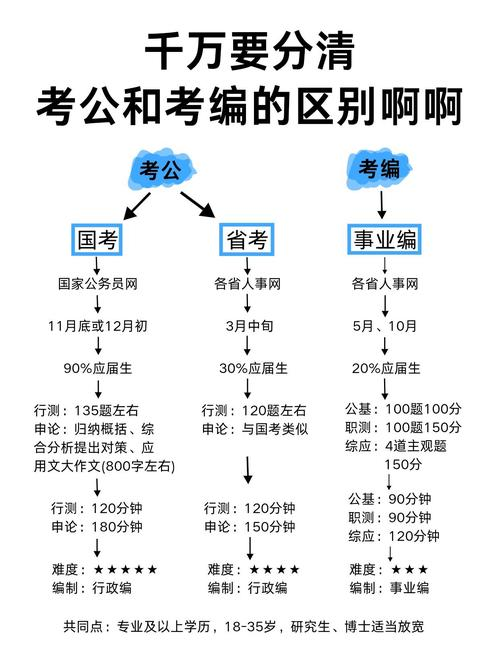
In 2026, provincial examinations focused more on the examination's comprehensive competencies. With regard to the written examination, the exercise covered not only the modules of traditional common sense judgement, speech understanding and expression, quantitative relationships, judgement reasoning and data analysis, but also the addition of elements related to social hot spots, scientific and technological developments. For example, in common sense judgements, the latest scientific and technological innovations, environmental policies, etc., are addressed; material that is understood and expressed is more closely related to real-life and social phenomena, and the ability of candidates to understand and analyse information is examined. The doctrine focuses more on issues such as the livelihood of society and governance at the grass-roots level, requiring candidates to have greater analytical, problem-solving and speech skills. The interview process also placed greater emphasis on examining the overall quality of the candidates, including communication, responsiveness and organizational coordination. The examiner will have a comprehensive understanding of the actual competencies and professional qualities of the examiner through scenario simulations, case analysis, etc。
More flexible forms of examination
In order to accommodate the needs of different posts, the forms of examinations for provincial examinations are also more flexible and varied. In addition to the traditional written examinations and interviews, specialized skills tests have been added to some special positions. For example, in the case of public security posts, physical and operational knowledge tests for public security have been added; in the case of technical positions, examinations for professional skills are conducted. In addition, a combination of online and offline examinations has been introduced in some areas, which has improved the efficiency and accessibility of examinations. On-line examinations allow testing on objective questions, while on-line examinations are mainly subject-matter examinations and interviews, which saves both time and cost for candidates and improves the security and fairness of the examinations。
Increased focus on matching staff with career development recruitment
In the recruitment chain, provincial examinations in 2026 focused more on the principle of human matching. In the selection process, recruitment offices take into account the professional background, work experience and personal competence of the candidates and ensure that the candidates are qualified. For example, candidates with grass-roots work experience and knowledge of the local situation are given priority in the case of grass-roots posts, and candidates with professional qualifications are screened closely for more specialized posts. At the same time, recruitment offices will have a comprehensive understanding of the comprehensive qualities and personal qualities of candidates and ensure the quality of recruitment through background checks, psychological quality tests, etc。
Clearer career paths
As the civil service continues to improve, the career path of civil servants became clearer in 2026. For newly recruited civil servants, systematic induction training is provided to help them adapt to their work environment and work requirements as soon as possible. In the course of career development, clear promotion mechanisms and appraisal systems have been established. Civil servants can be promoted through periodic appraisals, job performance evaluations, etc. At the same time, incentives and training programmes have been established to encourage continuous learning and innovation among civil servants. For example, recognition and rewards are given to civil servants who perform well in their work; for civil servants with developmental potential, opportunities for further education in higher education and training institutions are offered to enhance their professional competence and overall quality。
Social impact to promote a reasonable flow of social talent
The provincial civil service examination provides a fair and just competitive platform for society and attracts candidates from different backgrounds and professions. This helps to promote a rational flow of talent in society, enabling good people to enter government and contribute to the development of the state and society. At the same time, the provincial entrance examinations have resulted in the selection of highly qualified personnel for a wide range of grass-roots and hardship posts, which has alleviated the shortage of talent in these areas and contributed to regional coordinated development。
Promoting a culture of social learning
The continuous warming of the provincial entrance examinations has inspired a wide range of candidates to learn. In order to prepare for the provincial examinations, the candidates learn a variety of knowledge and skills to enhance their comprehensive qualities. This culture of learning not only contributes to the growth and development of individuals, but also has a positive impact on the learning climate of society as a whole. At the same time, a variety of training institutions have also been created to provide specialized learning guidance and training services for candidates, thus further promoting socio-educational development。
Overall, new features and trends have emerged from the 2026 provincial civil service examinations in the areas of examination, examination and recruitment. In the case of candidates, it is important to be fully aware of the current situation in the provinces and to develop a sound preparation plan to improve their overall quality and competitiveness. In the case of society, the development of provincial examinations will help to optimize the allocation of human resources and contribute to the progress and development of society. In the future, the provincial civil service examination will be reformed and improved as society evolves to better adapt to the needs of the times。