You don't want to eat in heaven? Choosing the sheds is the key! This article combs you from an economic “earth solution” to a highly intelligent “black technology” to an easy entry to find the right one。
First price, then type: four huts, from “homey” to “high”
Prices are the primary consideration in choosing the shed. In order to help you quickly understand, i compared the usual shed type to the use of the scene。
Economically useful type (under $20,000)
:: main types: bamboo huts, concrete pole arch sheds, simple steel pipe arches
:: core characteristics: lowest price and simple structure。
• who is fit: planting new hands, small-scale cultivation, vegetables or flowers for use in early spring and late autumn。
• attention needs to be drawn to the weak resistance to snow and snow and poor winter temperature。
Mainstream type of production (20,000-50,000 yuan/acre)
• main types: earthwall/brick wall solar greenhouses, new high-temperature arch sheds, assembly steel racks
• core characteristics: high value for money with a certain winter temperature or anniversary production capacity。
• who is appropriate: professional vegetable, fruit tree growers, pursuing winter counter-season production。
• note that the earth wall sun-light greenhouses occupy more land。
Plant size type (5-20 million yuan/acre)
:: main types: simple/highly integrated arch sheds, solar panels and greenhouses
• core characteristics: high land use, large space, suitable for mechanization。
• who is appropriate: scale production, seedlings, flower farming, recreational tourism agriculture。
• attention needs to be paid to cooling in the summer and high demand for drainage。
Smart high end type (200,000 won/over)
• main types: glass condensed greenhouses, venro-smart greenhouses
• core characteristics: high level of automation, sound environmental control, aesthetic sustainability。
• for whom: high-tech agricultural parks, scientific seedlings, eco-cafés, high-end flower production。
:: note that initial investments are significant and operational maintenance costs are high。
I'll show you some core sheds
After an overview of the classification, let's look at the “spleen” of several core sheds in detail。
Daylight greenhouses: “hot houses” in the north, which are the main facilities for the production of vegetables during the winter season in the northern part of the country, are characterized by a thick warm wall (earth walls or brick walls), heat during the day and at night. It's like a room with warm guacamole, so warm melons can grow in winter without extra heat。
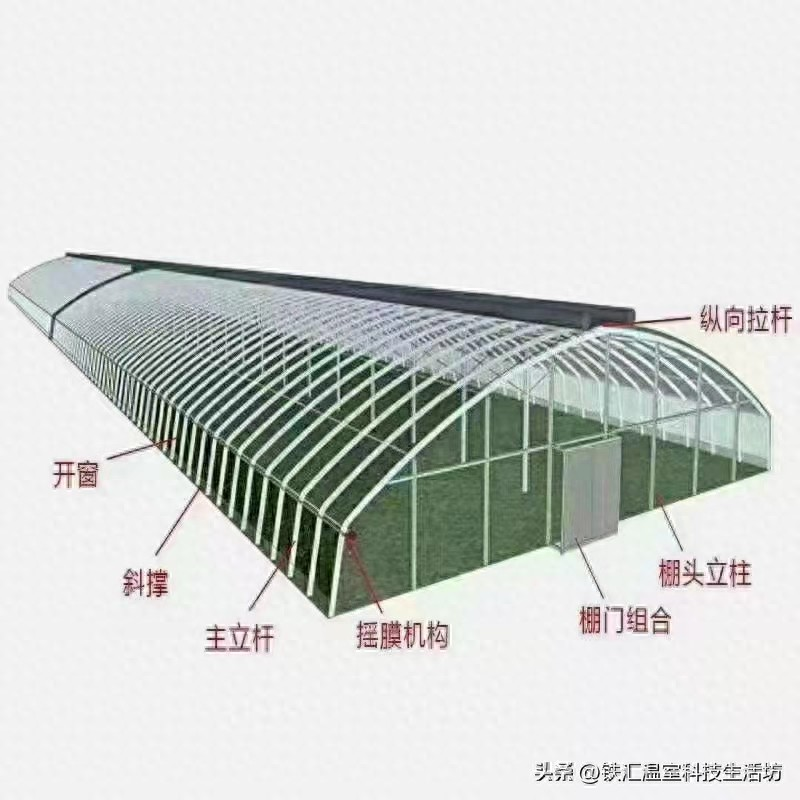
• landwall solar-light greenhouses: the most expensive, warmest, choice of value for money. However, the walls are easily washed by rain, with some impact on their useful life。
• brick wall solar greenhouses: structurally robust, with a life span of 20-25 years, with greater land and geological adaptation. Of course, the price is higher。
Archs: the most widely used “one-size-fits-all” arches, also known as springs and autumns, are the most widely used category. It's simple, like an arch tunnel. Depending on the material and configuration, the functions vary:
• small arch sheds: mainly used for early spring and late autumn planting to protect against the cold of early spring and autumn, but not in winter。
• high-temperature arch sheds: the four-season production of some crops can be achieved through the addition of equipment, such as thermostats, to the base。
Concentrating greenhouses: the “large factory” of industrial production, which combines a number of arch sheds and removes the middle wall, form a chain of greenhouses. Its internal space is very open and land-use is extremely high and suitable for mechanization operations and scale production。
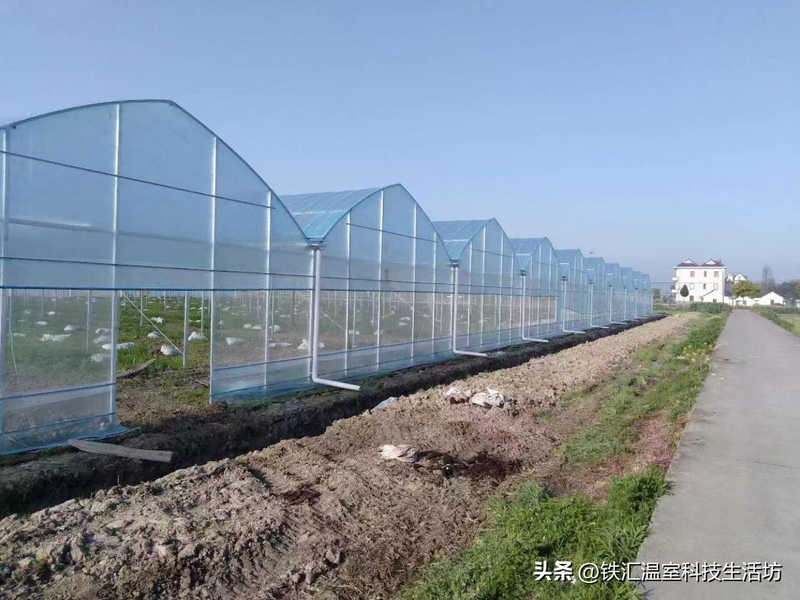
• a series of membrane greenhouses: the materials covered are plastic films, which are of relatively low cost。
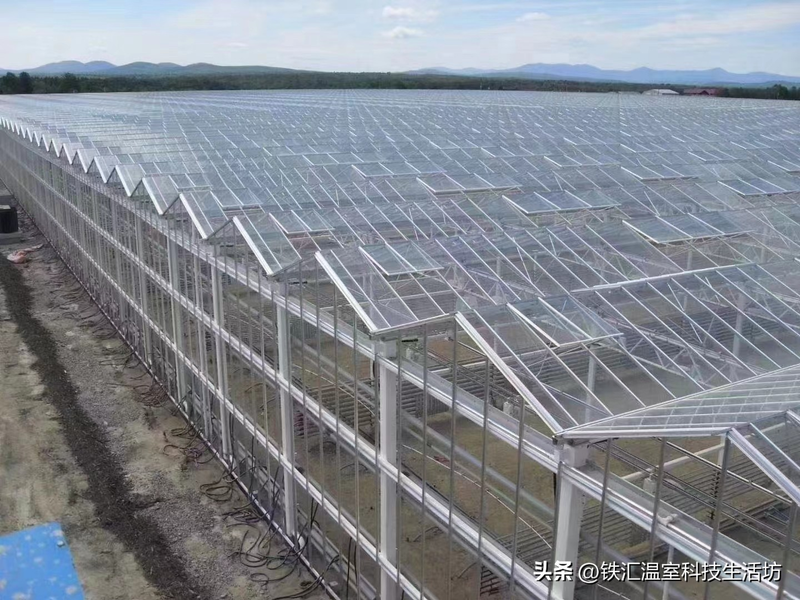
• a chain of glass/sunboard greenhouses, which is a “smart greenhouse” with modern appearances and an environment (temperature, light, water fat) that can be automatically controlled through computers. Usually used for high-end flower cultivation, scientific research or ecological tourism。
Four-step locks are the best for your shed
Faced with so many choices, you can follow the following four steps in making decisions:
Step 1: clarity of purpose and budget
• what do you want to grow? (ordinary vegetables, high-value fruits, flowers or seedlings
• when do you want to grow
• how much is to be invested? (to consider not only construction costs but also maintenance and operation costs for the coming years
Step 2: assessing your land and climate
:: land situation: size, shape, soil quality (painted land is not suitable for construction of earth wall greenhouses), ease of drainage。
• climatic conditions: minimum winter temperatures, snow and snow loads, maximum summer temperatures, long periods of light. The north is on the move, the south is on the move。
Step 3: trade-offs to capture core needs
• simple arch sheds are the best starting point if funding is limited and only for the spring and autumn seasons。
• in the north, where winter production is necessary, the solar greenhouse is an option. The earth wall has the highest price for solar-light greenhouses when soil quality permits and the land is not strained。
• if scale and mechanized production is to be pursued, a thin membrane greenhouse should be considered。
• smart glass greenhouses can provide the most stable environment if high-value-added crops (e. G., high-end flowers, seedlings) are grown or used for tourist purposes, with sufficient funding。
Step 4: following the selection of the type of construction, care is taken about the upgrading of the modern shed:
:: bones: priority is given to thermal impregnation of all zinc steel skeletons, preservative durable use and high intensity。
• shrine membrane: the selection of long-acting drift-dip film can reduce the amount of water, increase light and reduce the disease。
• support facilities: pre-planned rollers (for temperature protection), membranes (for ventilation), nets, irrigation systems, etc。
A final reference for your decision
If you still find it difficult to choose, you can refer to the following decision-making recommendations based on the most commonly used scenarios:
Scenario one: small farmers in the north grow their food in winter
• first option: the earth wall sun-light greenhouse
• key points: ensuring the protection of walls against rain and extending their useful lives。
Scenario 2: spring fall cultivation by southern farmers or newcomers
• preferably: an arcade of steel pipes
• key points: focus on maximum local wind power to ensure structural security。
Scenario iii: large-scale planting grounds or cooperation social
• preferably: a thin-film arch or a tall-coated arch
• key points: focus on cooling systems for the summer (e. G., wet winder curtains) and on temperature protection for the winter double film。
Scenario iv: investing in recreational tourism agriculture or high-end cultivation
• preferred: vinyl glass/sunboard smart greenhouse
• key points: detailed analysis of return on investment, precise control of environmental and production costs。
It is hoped that this guide will help you to remove the fog and find the harvest palace that best suits you。