When it comes to late opium, most people think of the label of “expensive luxury” — after all, in the film, most of the people who smoke opium are the kings and nobles, the rich and the rich, and the smokers in the smokehouses are excellent, and the dust, at the “two” price, does not seem to be affordable to ordinary people. The historical truth, however, was shocking: by the end of the nineteenth century, even the bottom-floor hard labour, the farmers and the concubines had been able to buy opium, and even the tragedy of “the unemployed, the women's feet, the whole family being used for tobacco exchange”. Why “sink” to the poor? The legacy of history, which lies behind the plot of british colonists, the collapse of late-cleaning societies, and the unresistible greed and corruption of humanity, is still worth considering。
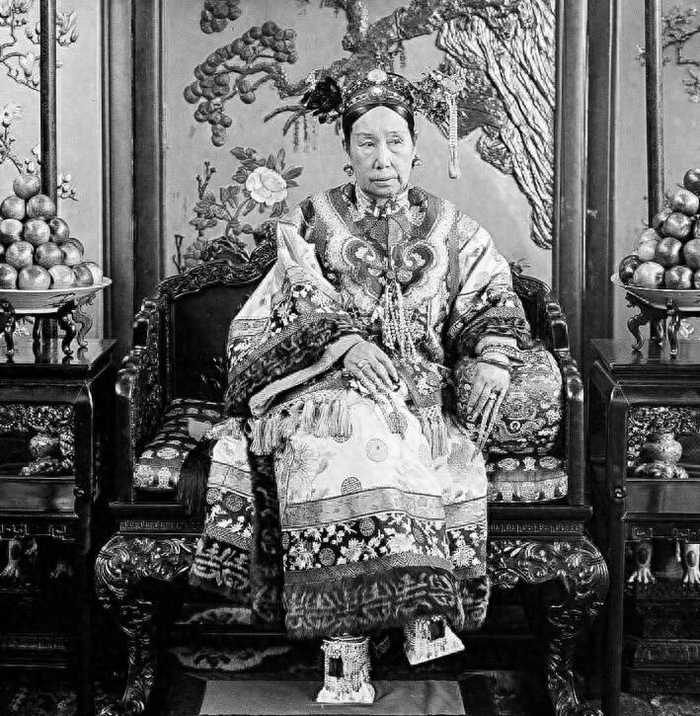
First of all, there is a mistake: late opium clean-up is not “always expensive”, but the united kingdom has turned opium from “luxury” to “cheap addiction” by “smuggling smuggling + downgrade”. At the end of the eighteenth century, when the british east india company started importing opium into china, the price was indeed high — 800 taels of silver per box (about 100 pounds) for opium, equivalent to 10 years of income for ordinary farmers, at which time only high-profile individuals could be caught. However, as the united kingdom began large-scale opium cultivation in india to reverse the trade deficit against china, production increased geometrically: about 4,000 cases of opium were lost in 1820, 40,000 in 1838 and 70,000 in 1855. After a change in supply-demand relations, opium prices fell off the cliff, falling to 200 taels of silver per container by 1870, while poor-quality opium could even be sold at “two cents per dollar” in 1900, a price that could be bought by the bottom poor。
Worse still, the united kingdom also acquiesced in “mixed opium” flows to the chinese market, further lowering the consumption threshold. Eastern indian companies produce “public land” (quality opium) mainly for sale to the upper middle of india, while those targeted at the poor are “private land” heavily mixed with poppy shells, bark, mud and even lime. These poor-quality opium are extremely low-purity, more addictive and priced at only one tenth of good-quality opium. For example, in tianjin, a bag of fake opium (about five cents) in 1890 was worth five cents, while a hard-working person could earn 20 cents a day and buy a bag by saving food; in sichuan rural areas, there was even a pattern of diversion of “eggs, food for opium” — a combination of “low price + high addiction” in the united kingdom, turning opium into “drugs that the poor can consume”, like the cheap cigarettes that are now, and making the bottom group dependent with low cost。
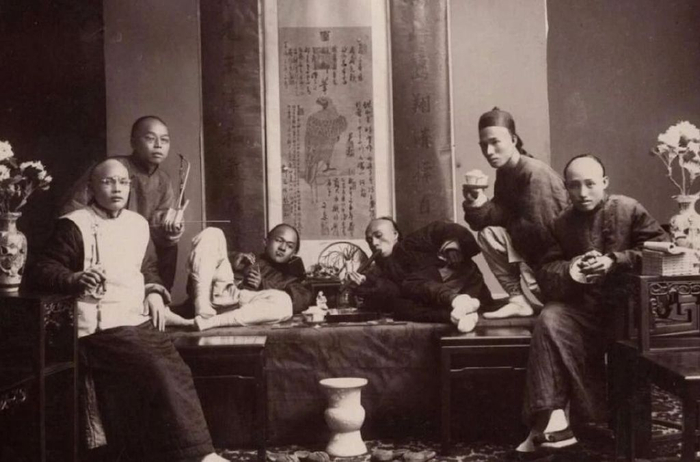
The “inactions and misbehaviours” of late-cleaning governments are the pushers that allow opium to flourish among the poor. After the first opium war, the government did not formally open the opium trade, but the “smoking ban” was in effect, and local officials either accepted bribes to acquiesce in smuggling or were directly involved in the opium trade. For example, the guangdong waterworks, which should have banned opium smuggling, escorted opium ships to inland rivers, collecting “protection fees” on boxes; officials in hunan and hubei even introduced an “opium tax”, turning opium into a “legitimate source of taxation” and calling it “prohibition”. What is even more absurd is that, after the second opium war, the qing government simply “prohibited” opium, allowing the civilian cultivation of opium poppy — known by the united states as “land-to-ocean” — and using domestically produced opium against foreign opium, but with the result that opium cultivation has increased dramatically throughout the country: opium cultivation accounted for 2 per cent of the country's arable land in 1880, reaching 5 per cent in 1900, and even “smoking” in shanxi, xuanxi and yunnan. The large number of domestically produced opium is on the market, further lowering opium prices and lowering the purchase threshold for the poor, creating a vicious circle of “smoking and growing smoke”。
The “survival despair” of late-cleaning societies has allowed the poor to use opium as a “psychiatric painkiller”. In china in the nineteenth century, people at the bottom were already living in deep water: after the opium war, the powerful seized tariff privileges through unequal treaties, and a large influx of cheap seafood destroyed traditional handicrafts, and numerous kafafts and craftsmen lost their jobs; and, together with frequent floods and droughts, the “dinpenchi desert” of 1877-1878, left more than 10 million people starving to death in north china, where survivors were either displaced or made to beg. In such a desperate situation, the “paralysing effect” of opium becomes the only comfort to the poor — to be able to forget hunger and suffering for a while, even if only a moment of false pleasure, and to let them risk it. In addition to pulling the boat, tianjin's confederate collects money to buy a small bag of opium, “a sip that can carry ten miles more” and sichuan farmers sell their last rations for opium when the particles are not collected, “at least not so hard when they die”. This choice of “life for comfort” is backed by the collapse of society as a whole and the helplessness of the people at the bottom。
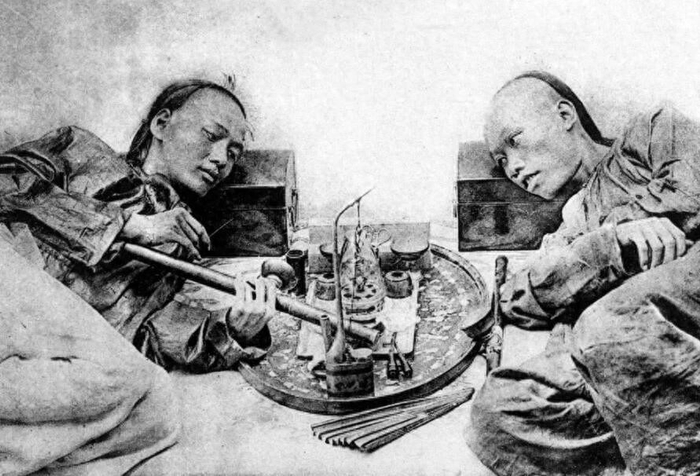
There is also an easy cause for neglect: opium becomes a “social currency” and a “mean of survival” at the end of the night, further accelerating its spread. At the bottom of the society, the smokehouse was not only a place for opium consumption, but also a “social center” for information exchange and job-seeking. – the hard-working ones ask where to work in a smokehouse, where the peddlers contact businesses, and even the beggars gather at the front door of a smoke house, waiting for the smokers to give up some smoke. Without opium, they are excluded from the “circle” and cannot find a way to make a living. Sadly, some industries even consider “opium-smoking” as an entry requirement: seamen, for example, who travel on ships for long periods of time, employers provide opium “solved” and those who do not, instead, have difficulty adapting to work; some landlords, shopkeepers, use opium as “wages” to hire workers, and further bind the bottom worker to opium. This deformity of “no opium can survive” places the poor in a situation of “passive addiction”。
From this history, we can extract three profound revelations. The first revelation, “addicted products”, was never “priced”, but capital, for profit, would lower the threshold at all costs, leaving the bottom group dependent. In an attempt to open up the chinese market, british colonists turned opium from luxury goods to “consumer goods for the poor” by “smuggling production + quality down + smuggling monopoly” and essentially by “drugs for silver” colonial plunder. This reminds us that any product that can be addictive (whether drugs, tobacco or alcohol, or now bad internet lending, short video fascination), once manipulated by capital, may become a tool at the bottom of the harvest, and must be secured by strict laws and regulations to prevent “addictional sexual exploitation”。
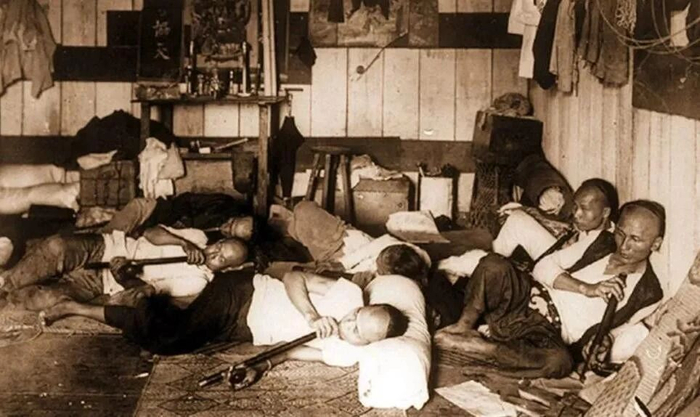
The second revelation: the “addiction problem” at the bottom of society is essentially a reflection of the “survival problem”. The consumption of opium by the poor at night is not simply a “defeating” but a “saving straw” sought in hunger, unemployment, despair. When a society is unable to provide basic survival and development opportunities to the bottom population, addictive products can easily enter. This tells us that the solution to the problem of addiction cannot be “prohibited” alone, but rather an improvement in people's lives at the root — providing stable employment, adequate social security, an equitable environment for development, and allowing people at the bottom to live in dignity — is fundamental to countering the temptation of addiction. Just as now, the state is fighting “school mortgages” on the internet, not only with severe legal penalties, but also with education, employment, and a bright future for young people, rather than with the temptation of despair。
The third revelation: the government's “regulated failure” could turn small problems into catastrophes. The proliferation of late opium, from “prohibition and not only” to “condonation” to “encouraging cultivation”, has exposed the incompetence and greed of governments at every step. The corruption of local officials and the swing of central policy had allowed the british colonizers to succeed in their scheme, which had led to the tragedy of “opium consumption by a quarter of the country's population”. This warns us that, in the face of major problems related to the security of the country and the health of the population, the government must maintain a firm stance and efficient regulation that cannot be lured by short-term interests, let alone collude with capital. Current food security, regulation of medicines, for example, could create a serious public crisis if a “regulatory vacuum” emerged, undermining the trust of the population and the very foundations of the state。
Looking back at the history of the proliferation of opium at night, we see not only the scourge of drugs, but also the tragedy of a country that has suffered from colonial plunder, social collapse and governmental failure. Those poor who cannot afford food but can afford opium are the victims of the times, and their experience reminds us of the need to be vigilant at all times about the capital trap behind “cheap addictions”, to focus on the plight of the people at the bottom and to uphold the regulatory responsibility of governments. Only in this way will it be possible to avoid the repetition of historical tragedies and allow societies to move towards equity, health and dignity。