A trip to afghanistan — 20 years of my life in afghanistan
The united nations office on drugs and crime reported earlier this year that opium prices in afghanistan had risen significantly, reaching $750 per kilogram by 2024, 10 times the 2022. Despite reduced production, high prices continued to benefit major drug traffickers. According to the united nations, the reduction in drug production following the taliban's fight against drugs has led to a decrease in trafficking in heroin and opium, and seizures of those substances have declined by about 50 per cent since 2021。
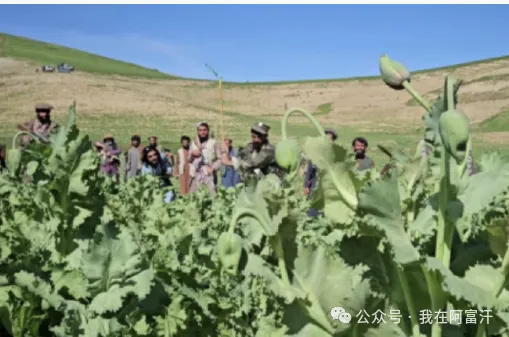
The united nations report estimates that, by the end of 2022, afghanistan's opium stock was approximately 13,200 tons, sufficient to meet the demand for afghan opium by 2027. The profit flow of drug trafficking to transnational organized criminal groups has increased instability in afghanistan, the region and elsewhere. Addressing this problem requires a coordinated strategy targeting trafficking networks while investing in sustainable economic alternatives for farmers. The united nations emphasized that, before poppy cultivation was reduced, afghanistan's opium reserves could be worth between $4. 6 billion and $5. 9 billion, or 23-29 per cent of the country's GDP in 2023. This could help alleviate some of the economic problems in afghanistan after the taliban returned to power。
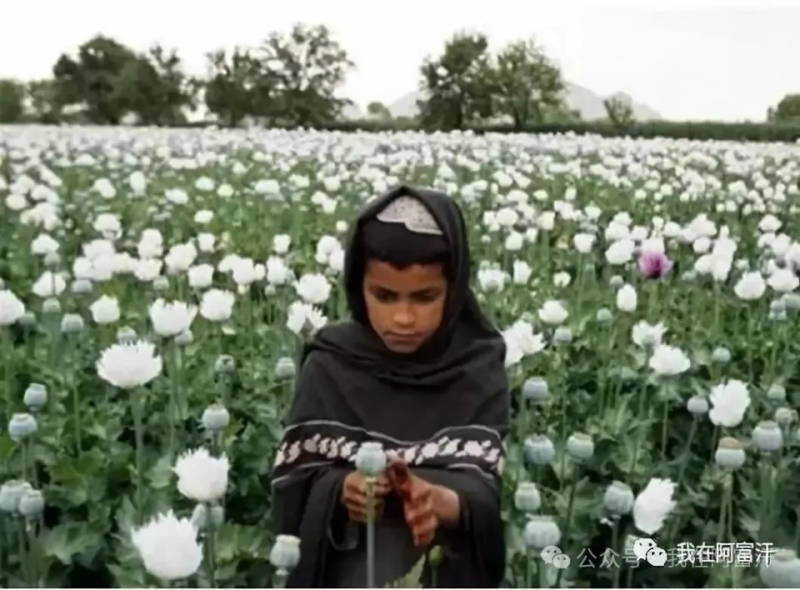
In march, the spokesperson for the afghan ministry of the interior, qani, said that the level of drug processing and trafficking in afghanistan had declined significantly, and the drug police had made significant achievements in preventing cultivation, production and smuggling. “it is well known that when there is no production and supply, prices multiply and are a clear example of the islamic emirates' tireless struggle.”