Xinhua news agency, october 25, shanghai: the knowledge-paying industry is emerging as a new windstream for the internet
Xinhua news network journalist gao xiaohua
Since 2016, there has been a rapid rise in knowledge payments in the domestic internet industry, which has become a new niche for industry, with multiple internet platforms all over the world. In 2017, the area of domestic knowledge payments was gradually divided, and the amount of knowledge payments was expanding from the initially hotest commercial areas of finance and skills development to more abundant subdivisions, with content depth and verticalization seen as a trend towards the development of the knowledge-paying industry。
The age of knowledge-paying has arrived
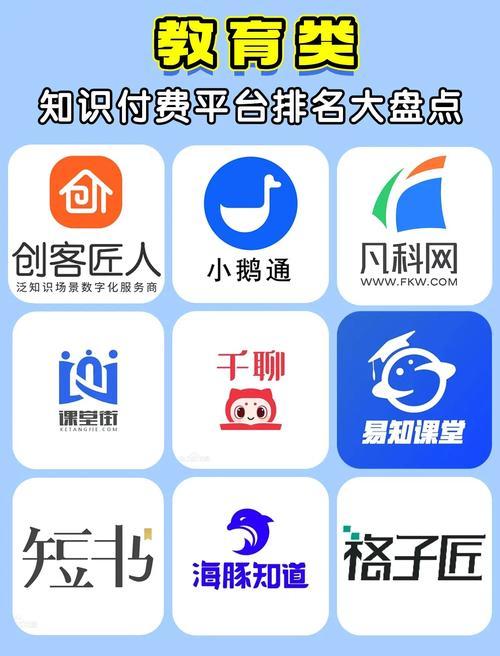
2016 is known as our “year of payment for knowledge”. Over the past year, a series of landmark events have made content payments the trend and wind of the internet industry, in particular the audio-sharing platform “himalayan fm”, the voice-sharing platform “dissemination”, the knowledge-sharing community “know-your-live” and the knowledge-subscribed product “getting” as four models for a knowledge-paying platform that quickly attracts a large amount of people and attention in a very short period of time and helps many content producers to achieve commercial “realization”。
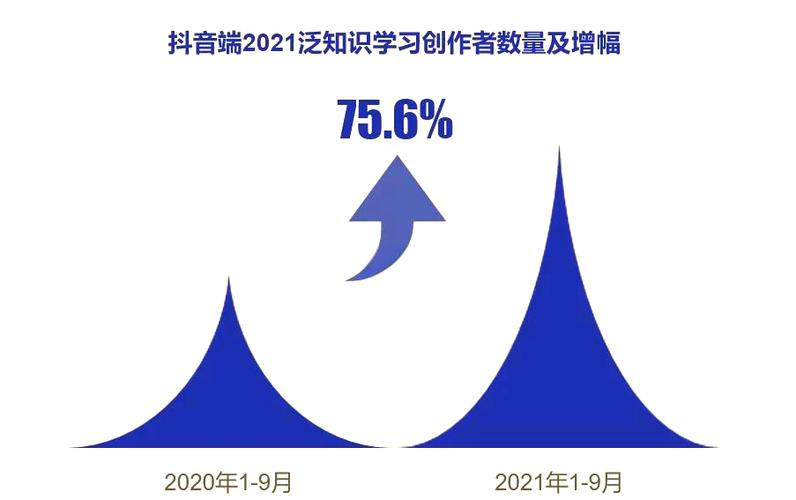
After more than a year of development, the concept of the payment of knowledge is increasingly recognized and accepted by users. According to ceo boe-chun, a content-paying technical service provider, at the beginning of the year, the company planned to have over 100,000 users by the end of the year, resulting in close to 120,000 users in october, with data growing more than expected. This means that the knowledge-paying market is far hotter than previously anticipated. Moreover, the share of middle- and long-term end-of-life entrepreneurs is gradually increasing, with an increasing number of groups involved in the payment of knowledge。
The awareness of domestic internet users to pay is growing, and the rates of payment for all content platforms such as video, music, and internet articles are increasing significantly. According to industry projections, the overall economic size of domestic user fees (excluding online education) is expected to reach between $30 billion and $50 billion in 2017 as user demand increases, markets sink and industrial chains expand。
A visual think tank analysis suggests that the rise of the knowledge-paying boom is due, firstly, to changes in the consumer structure of the population and to an increase in developmental consumption; secondly, to changes in the willingness to pay content and knowledge and consumption perception as a result of the spread of mobile payments; and thirdly, to changes in the way user information is obtained, from a lack of purposeful acceptance to active access and more mature information choices。
Users prefer to pay for professional, vertical content
At present, domestic knowledge services have become “gang-to-deer” patterns. However, in the view of experts, in terms of the current market-based product pattern, whether it be an art-based speech course, a quick-disturbing pay question and answer, or an excellent reading, the content is popular, shallow and broad-based, and it still does not meet the needs of users for in-depth learning and knowledge retention。
In an interview with a journalist, the founder and ceo of teletech in the state of velocity said that building a system of personal knowledge is essential for in-depth and professional learning. Knowledge payments are moving from “plainization” to “deepening”, and the knowledge-paying platform needs to provide an in-depth knowledge-absorbing landscape for users through deep-tilled professional content。
According to chen jian, the well-known technology payer columnist, in today's information age, people are faced with too many sources of information every day, and the essence and core of the knowledge payer is to help people to comb, interpret, and professionally reprocess information so that readers can access it more quickly and efficiently. The practice of relying on so-called “big v identity” for similar entertainment circles to harvest fans is not sustainable in the area of knowledge-payment。
Verticalization and segmentation are becoming trends in the area of knowledge payments. At present, there is a trend towards the transformation of popular platforms into specialized sub-products in a number of popular areas, such as it, the workplace, finance and health。
The special study on content fees in china 2017, published by the aids counsel, noted that professional content would become a flash point for content payments. Knowledge payments, as a new consumption upgrading model, have already built up some experience in capturing user interest, and in visualizing content. In the main vertical areas of the internet, expertise will be one of the main drivers of content-paying。
There's a lot of bubbles in the market
As the concept of the payment of knowledge thrives, and in a short period of time various platforms for the payment of knowledge rise up, leading to dissatisfied industries and increased competition. In late august this year, the industry was exposed to today's headline signings of a large volume v, highlighting the fierce competition for knowledge producers on various platforms。
On the other hand, following a short-term red fire, there has been a marked decline in the opening and distribution rates of some knowledge-paying products, as well as a challenge to the repurchase rate of some popular content, and some previously hot internet-based knowledge-paying products have been overshadowed。

Chen zheng indicated that there would be bubbles when knowledge payments emerged as new things, especially when there were economic benefits. Over time, however, when the “honeymoon” period for users is over, some users who wish to learn more and more will be increasingly demanding high-quality content selection and will be more rational in choosing and buying paid knowledge, and the bubbles in the market will surely be squeezed out。
Faced with some of the knowledge-paying products, “good or bad”, hoyté believes that the main reason is not really good or not solid enough. Knowledge-paying products, but those who do better than their seats, do so because they do not follow in content, product, marketing. In order for a paid knowledge product to be billed by a user, it must first ensure that the knowledge provides value to the user and, secondly, that it is operated and marketed。
“in the past year, the knowledge-paying industry has started shuffles, and if your product is just a flower, it will soon be phased out.” hoytai is well known。
What kind of business is knowledge-paying
Knowledge payment encounters continuous content production difficulties