When it comes to onions and garlic, vegetables are grown in general, and in a few days it will be autumn, and september-october is the time for onions and garlic. It's like an onion planted in autumn that moves into the summer of next year, a garlic planted in autumn that harvests in the summer of next year. Both onions and garlic are longer in life and require the use of bottom fertilizer in planting. Onions and garlic, although they require a lot of fat, can't be used for anything. When using bottom fat, you need to master "three in three." simply put, onions and garlic like three fats. There are three fats that can't be used。
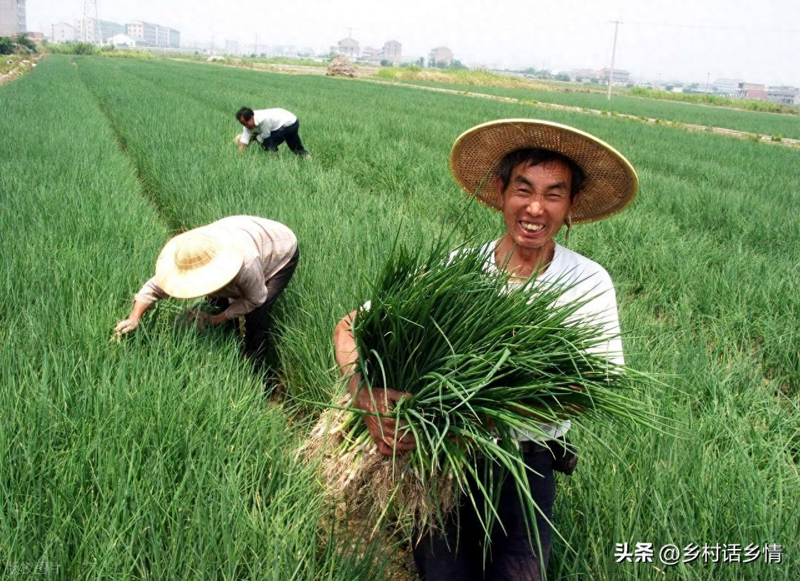
Onions and garlic like the three types of fat, organic fat
Organic fertilizer is a fertilizer preferred by any vegetable, which is mild, well-fed and has a long duration. Onions and garlic are generally used as bottom fertilizer. For example, chicken dung, goat dung, pig dung, bean cake, etc., can meet the long-term needs of onions and garlic. But while organic fat is good, it must be fermented, and non-fermented organic fat as much as possible. The method of use of organic fertilizers, which can be mixed into the soil at the time of ground run-off or applied to the planting ditch at the time of planting, is determined by the circumstances。
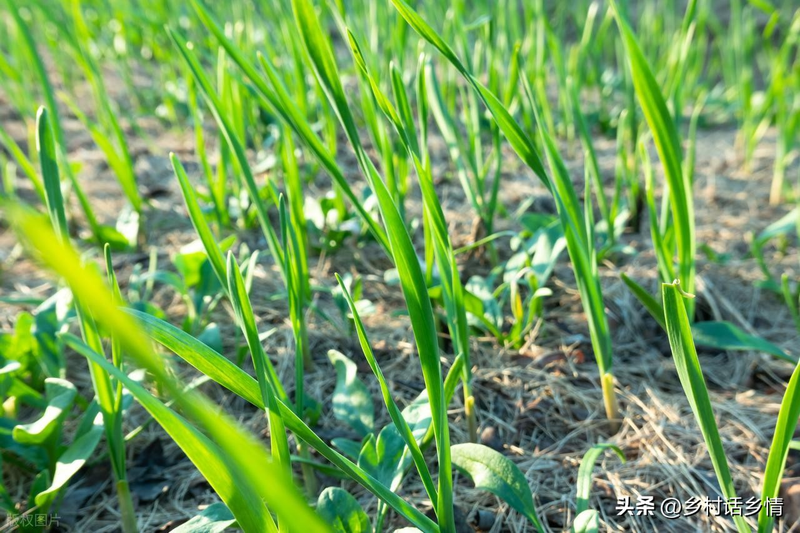
2. Ash from grass
As a special fertilizer, grass-wood ash is used to grow onions and garlic with many advantages, as it is used not only as a fertilizer but also as a disease-prevention tool. When planting onions and garlic, appropriate amounts of grass-wood ash are spread in the planting ditches, which can reduce some of the pests and pests in the soil and provide nutrients for crop growth. Since grass-wood ash is an alkaline fertilizer, it can be used only in appropriate quantities, without excessive use。
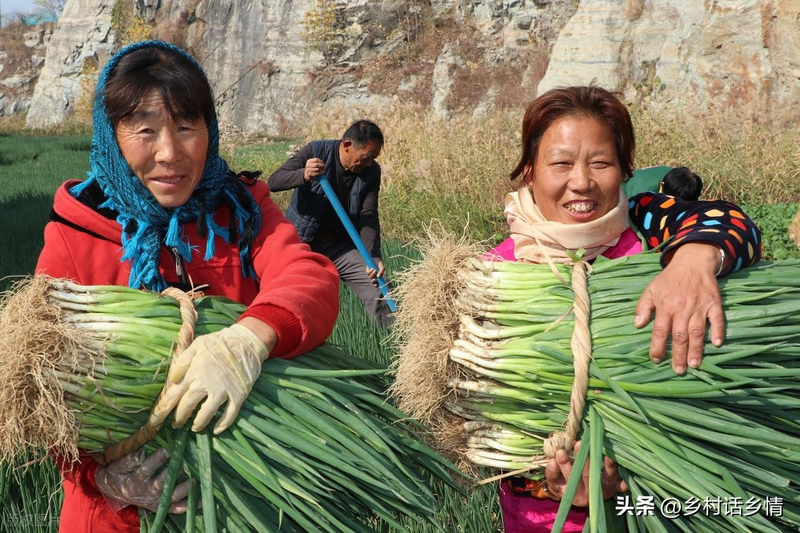
3. Combination
Household onions and garlic are grown in small areas, but there is insufficient organic fat, or even no organic fat, which allows for the choice of compound fat. Because the compound fertilizer contains potassium nitrogen phosphorus to meet the growth needs of onions and garlic. However, when selecting compound fertilizers, it is desirable to use highly nitrogen-based compound fertilisers, i. E., those with high nitrogen content, as well as potassium sulphate-type high nitrogen complex fertilisers。
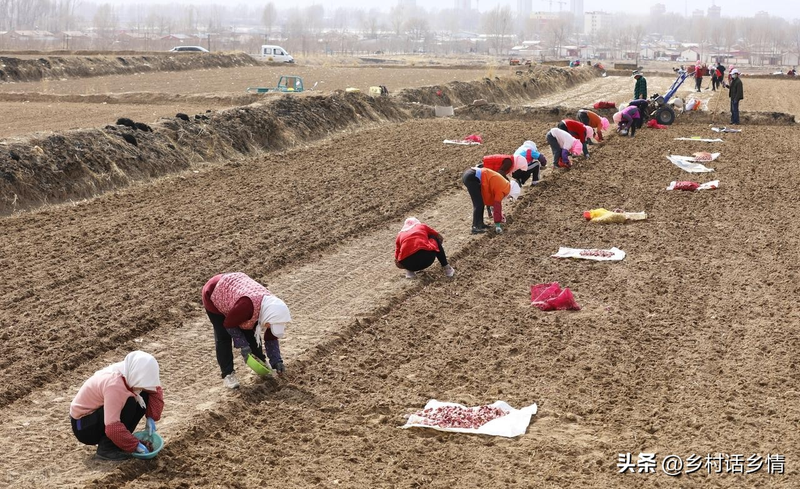
Those three types of fertilizer don't use one
Fertilizer is organic fat without fermentation, and onions and garlic growers know that onions and garlic are the most popular recruiting maggots, and if bottom fattens, they increase the probability of maggots occurring. In another case, where bottom fertilizer is used and the method is slightly inappropriate, there is a burning of roots, resulting in poor seedlings and low seedlings. In particular, manure, such as chicken dung and human urine, cannot be used without fermentation, and many people often suffer losses in this area, which requires attention。
2. No ammonium carbonate and urea
Ammonium carbonate and urea are both quick-activated nitrogen fertilizers, both of which are suitable for use only in pursuit of fat and not as bottom fertilizer. However, urea and ammonium carbonate are often used as bottom fertilizer by a number of starters, resulting in poor seeding as a result of burning. Therefore, bottom fat must not use ammonium carbonate or urea。
Fertilizers do not touch seeds
The planting of onions and garlic avoids the use of bottom fertilizer, but whether organic or other fertilizers, fertilizer is decentralized and not suitable for centralized use and does not involve direct contact with seeds. If the seeds are exposed to too many fertilizers, they can lead to a lack of growth of roots, a lack of seeding, a lack of seedlings, a serious loss of seedlings and, ultimately, a lack of seedlings, and a lack of seedlings. Therefore, the use of bottom fats is far away from the seeds, and the use of fertilizers and seeds in ditches is isolated by soil or mixed into the soil to avoid the concentration of fertilizers leading to burning。
These are some of the experiences of growing onions and garlic that you can use as a reference to avoid some of the wrong fertilization methods。