Have you ever had a moment like this? A sudden awakening late in the night, an accelerated heart rate and a tight throat, when nothing happened, was wrapped in a fear of “incidents”; overworked to rest, full of guilt, without a real relaxing cell phone; and socialized fear of speaking wrongly, running back and forth, even slowly avoiding the crowd? In fact, these lingering anxietys have long been solved — and " why didn't the shrink tell me " , with the answers that the psychiatrist would not say in detail and that ordinary people could do directly。
Many people suffer from anxiety, either by carrying it, or by trying to find a way blindly, and the core pain is that they don’t know where their anxiety comes from, much less how it can be solved, or even when they mistook “brushing their mobile phones, lying down” as a relaxation, and instead fall into a cycle of “relaxing and anxietying.” the author of this book, dr. Edmond burns, former director of the california anxious treatment center, has, with more than 20 years of clinical experience, transformed professional psychological knowledge into a guide that ordinary people can understand and operate, precisely pegged our anxiety points and offered solutions step by step。
Using the logic of pain point-settling, we decipher the core of the book and help you to quickly get the key to saving yourself:
Painful: dissociating anxiety and anxiety, dragging “emotional problems” into “psychological burdens”
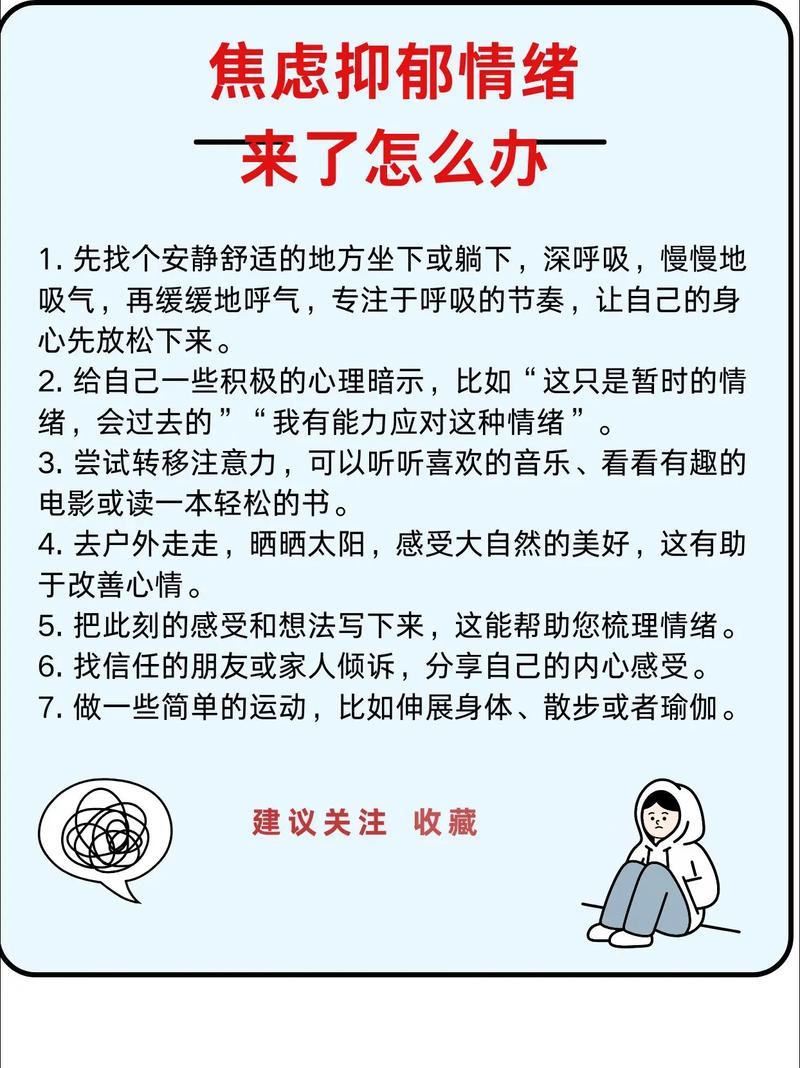
There's a lot of people who get the wrong spot: "do i get anxious a lot? Others, in turn, “i'm just a little anxious, and i don't have to worry about it”, and as a result, small emotions accumulate into panic, social fear, etc. The core difference is clearly distinguished: normal anxiety is a legitimate response to real stress, such as pre-test stress, pre-working anxiety, and when stress disappears, while anxiety is an “excessive and persistent fear” that, even when there is no clear incentive, is relapsing into fear, stress and even physical reactions, such as convulsions, dizziness and tremors, which seriously affect normal life, such as being afraid to go out and not being able to study properly。
The solutions given in the book are simple: first, to determine the degree of anxiety in the book (e. G. Intermittent moderate anxiety assessments), then to respond to the type of distinction — i. E. Panic attacks, social anxiety, widespread anxiety, etc. — different types of anxiety, different coping methods, and avoiding blind self-help. As the book says, anxiety symptoms can in fact be a psychological expression through which you are urged to explore and realize the untapped potential of your life and to understand anxiety correctly as a first step towards breaking it。
The more you try to fight anxiety, the more you're trapped in anxiety
This is the most common area of error: when anxiety is over, we think, "i can't get over it," and the more the anxiety becomes confrontational, the more the anxiety becomes, and others try to avoid anxiety by brushing their cell phones, drinking hot meals, staying up late, and then, after a short period of relief, they fall into deeper internal consumption. For example, those who deliberately avoid parties because of social anxiety have long been increasingly afraid of human contact, creating a vicious circle of “avoidance - increased anxiety”。
The core solution given in the book is to “accept + action” rather than “counteraction”: first, to acknowledge one's anxiety and tell one's anxiety is normal, and there's no need to exclude it, and when you stop fighting anxiety, its intensity decreases; and secondly, to apply the specific method to different types of anxiety:
It hurts three: 'easy = rest', but the rest gets tired
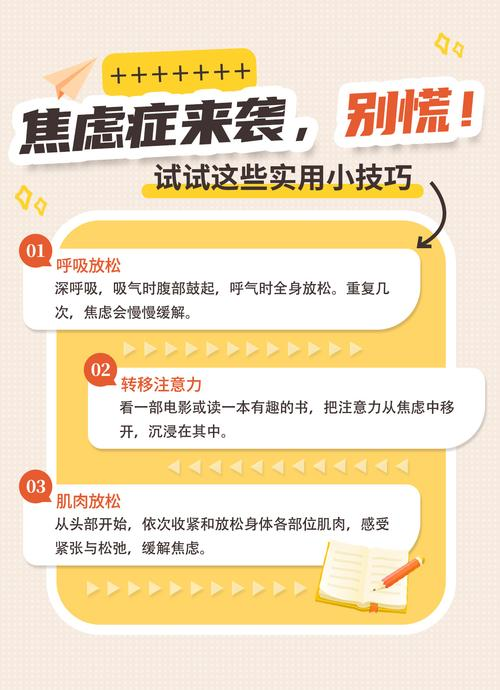
Many people are confused that they still feel physically and mentally exhausted and even more anxious when they are resting every day, brushing plays, brushing cell phones and lying down. This is because we have misunderstood the meaning of “relaxion” — a book that emphasizes that real relaxation is not “doing nothing”, but “deep relaxation”, which is the actual release of the body and the mind from stress, not the apparent “slippering”. As has been said, the primary purpose of the leave is to break the cycle of pressure and not to accumulate it, rather than simply “waste”。
The book offers several easy-to-operate depth relaxing methods that ordinary people can do 10-20 minutes a day:
Pain 4: neglecting “psychological connection” and solving only psychological problems and neglecting physical effects
A lot of people think anxiety is a "psychological problem" and just adjust their mind, but ignore the effect of their physical state on anxiety. The book states that anxiety and physical state are inextricably linked, such as long nights, irregular diets and lack of exercise, which exacerbates anxiety; conversely, regularity, a reasonable diet and a moderate movement can be effective in alleviating anxiety。
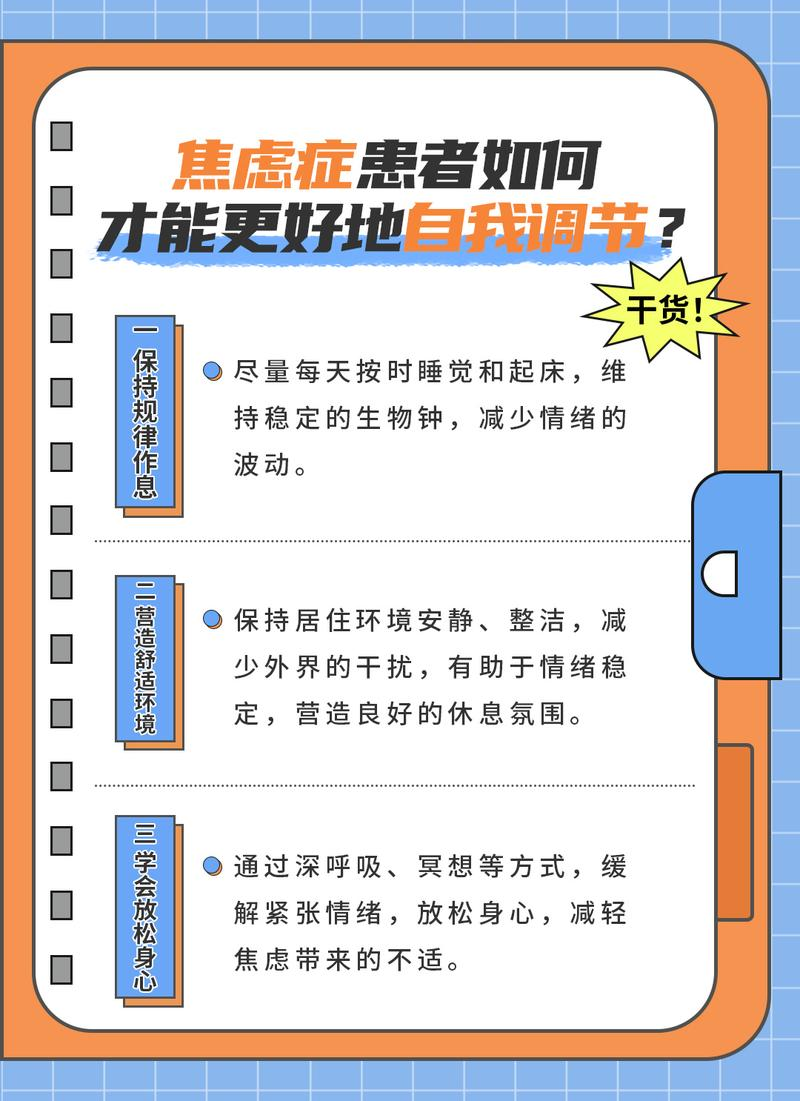
The solution given in the book, “physical and physical connection”, is simple and simple:
Seeing here, you might find that many of our daily anxiety can be alleviated through these simple ways; what the psychiatrists didn't tell us was not a high-level theory, but rather these little techniques that could just land. The rarest place for this book is not to teach us to "get rid of anxiety," but to "get together with anxiety." – after all, in this fast-paced era, anxiety is the emotion that everyone encounters, and we do not have to pursue “no anxiety at all” but rather learn to be anxious for the moment, with the ability to calm ourselves and adjust ourselves。
Finally, we combine the core knowledge of the book and everyday: anxiety is like an alarm in our body, not to hurt us, but to remind us that “it is time to look at ourselves”. As the book says, overcoming a policy that has been delayed by perfectionism is “to get in and do it, whether or not you feel ready” — to work without having to pursue “finishment”, to act first and to ease anxiety slowly; to live without forcing yourself to “work hard”, to learn to relax deeply and to put pressure on an exit; and to socialize without fear of “fault”, to accept one's imperfections, to be more tolerant。
We do not have to be psychological experts, nor do we have to force ourselves to “must be happy” by remembering the heart of the book: to embrace anxiety, to find the right way, to look for the mind and the mind, and to come out of it. As those who read the book say, "if you get to the book earlier, maybe my life will be happier than it is now." may we all be able to use these simple ways, to live with anxiety and to leave ourselves with a face and a base in a busy life。