The summer heat, the recent surge in temperatures, the heat, the heat, the heat, the heat, it's no small matter, the light, the sick, and the weight, it can endanger life. I'm here today to talk to you, to prevent the heat and to help you cope with the heat。
Reasons for the stroke
The reason for the onset of the heat is mainly exposure to high temperatures and inclement temperatures, which produce more heat in the body than is distributed in the body, and the inability of the body to adapt and withstand high temperatures。
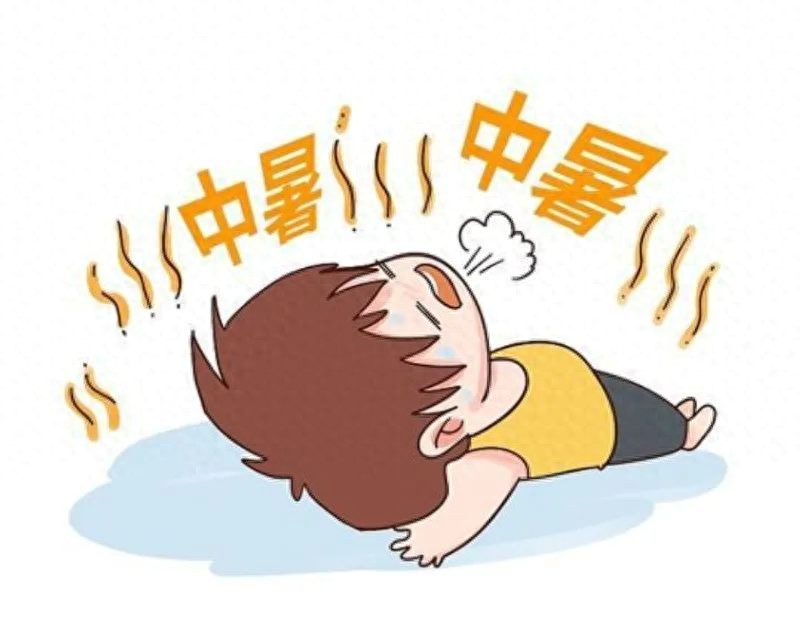
Summer symptoms
Symptoms such as dizziness, headaches, overall weakness, thirst, heart palpitation, nausea and vomiting generally occur after the heat, and suddenly faint when severe. Given the severity of the heat, the main types of heat are: premonition, mild and severe。
It's hot
Early summer patients often feel sweating, dizziness, weakness, nausea, panic, short-tempered, distracted, usually less than 37. 5 °c, moved to a cooler ventilator in a timely manner, cooled, supplemented with salt water, and recovered within a short period of time。
Light heat
In addition to the symptoms of mild heat and heat, some are shown to increase body temperature to above 38°c and to experience skin burning, red or pale colours, vomiting, cold skin and reduced blood pressure. In general, it is necessary to move to the cooler ventilator in a timely manner, to lay down clothes, to cool down, to replenish water and salt, and to recover within hours。
Heavy heat
Heat convulsions, heat failure, heat injection。
Thermal convulsions: most of these are found in healthy and young adults, often in cases of first entry to high-temperature work or excessive exercise, in the form of brief, intermittent muscle spasms. Patients often do not show visible increases in body temperature, which may be associated with high levels of sweat, water, salt, sodium deficiency or excessive ventilation. Such summer patients need to be moved quickly to the cold ventilator to sleep in order to supplement salt water or drink electrolytic solutions to mitigate thermal convulsions。
2. Thermal failure: most of the population of older persons, children and chronic diseases. Thermal failure is the result of the continuation and development of thermal convulsions at a time when patients have a set of clinical syndromes characterized by insufficient blood capacity, manifested in sweat, fatigue, indigence, dizziness, headaches, reduced judgement, nausea and vomiting, sometimes showing muscle spasms, vertigo and fainting, at a time when the patient's temperature increases and no visible signs of damage to the nervous system. Failure to provide timely treatment can lead to the development of thermal disease. They should be taken to hospital immediately。
3. Heat-jet disease: a severe killer disease associated with skin burning, sensory disorders (e. G. Precipitous, convulsive, unconscious) and multi-organ functional disorders is the most severe type of heat during the heat season, due to the imbalance in body temperature regulation function due to exposure to high-temperature, heat production exceeding bulk heat, resulting in a rapid increase in core temperature above 40°c。
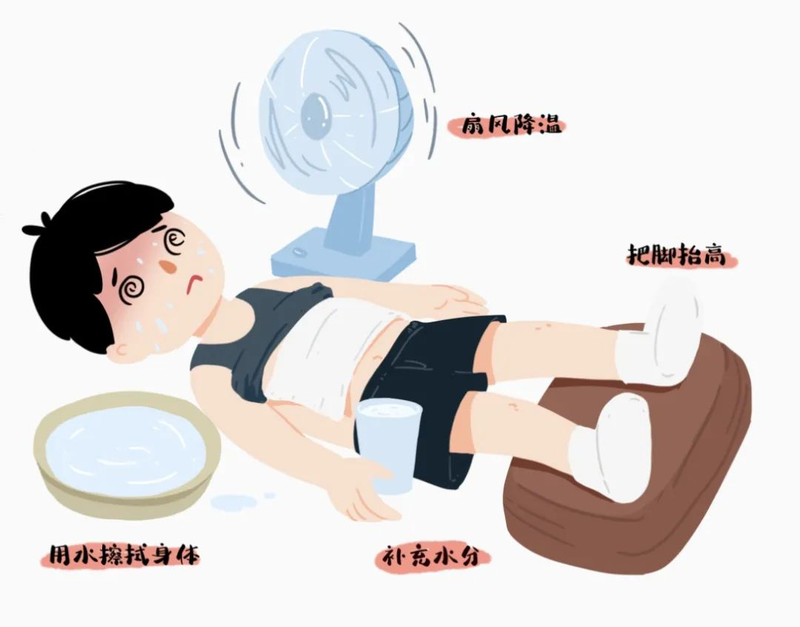
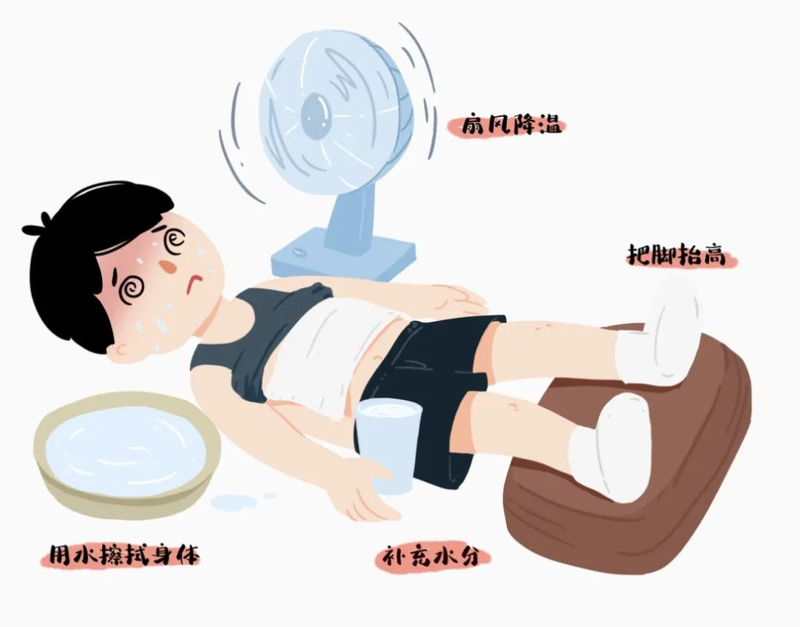
What if someone has a stroke at 03
Summer field
(1) rapidly removed from the high temperature and wet environment, transferred to the venom, flattened patients and removed all their clothes
(2) to spray or wipe the whole body with cold water
(3) fans, accelerating evaporation, transmissible heat
(4) call 120 to get the patient to the hospital in time。
How to prevent heat
(b) adjusting the time of interest: avoiding the need to go out during the hottest and hottest periods, choosing cool routes, conducting outdoor activities as early as possible in the morning or evening, and reducing the length of stay in high temperatures。
Replenishment of moisture and electrolyte: in high temperatures, the human body spreads heat mainly through sweat, which leads to loss of moisture and electrolyte. Thus, regular recharge of water and electrolyte beverages, such as salt water or exercise drinks, is required, in small quantities, not to wait for thirst (at least 1. 5-2 litres per day) to maintain internal water balance and electrolyte stability。
Suitable clothing: select light, loose, air-skinned clothing to reduce body intake of heat and promote the evaporation of sweat fluid, thereby reducing body temperature。
The use of sunshields: during outdoor activities, wide-side caps, sunglasses should be worn, and sunshields such as umbrellas or shades should be used to reduce the impact of sunlight on the head and body. The temperature in the vehicle is high and children should not be left alone。
Improved environmental resilience: body resilience to high temperatures can be enhanced by gradual adaptation to high temperatures, such as transition from cool to hot environments. The maintenance of indoor ventilation and the use of cooling equipment such as air conditioning and fans are also effective tools for preventing heat。
Older persons, children and pregnant women have weak capacities to regulate their body temperature and need to avoid long periods of high temperature. People with chronic diseases (e. G. Hypertension, heart disease, diabetes) may be at high temperatures, subject to medical adjustments and medications. Outdoor workers (construction, couriers, sanitation, etc.) can adjust their working hours with summer medicine。
Light diet, extra summer food. Reduction of greasy and spicy foods, with high water content fruit and vegetables (watermelon, cucumber, green bean soup, etc.). Adequately replenish proteins (fish, eggs, beans) to avoid malnutrition。
The summer medicine is carried with you: fragrance, 10 drops of water, cool oil, etc. (with attention to the population and taboos)。
At the heart of the scientific response to hot weather is active heat dispersion, timely water recharge, reasonable rest and attention to high-risk populations. If you have a heat condition, you must be treated in a timely manner so as not to delay treatment and remain vigilant