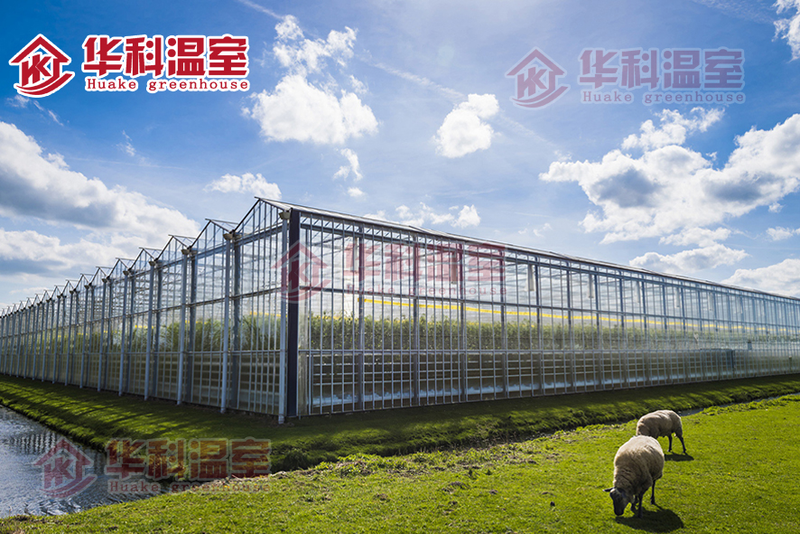
Growing their produce in greenhouses is an incredible time of abundance and pleasure, but, like any hobby that requires a certain level of skills and knowledge, learning curves can be steep. Even when the strongest plant species are grown, there are a large number of variables that affect growth rates and the success of yields。
For those who have just started growing greenhouses, it is difficult to do everything in the first season, and while repeated trials are an important part of the learning process, these six techniques will give any greenhouse beginner a good start。
Seasonal seed starters
One of the greatest advantages of having a greenhouse is that you can extend the growing season, start early in spring and summer, and even grow some vegetables throughout the year. Our planting guide gives you insight into when you should grow, but before you start planning to grow, it is important that you load important seed starters for your successful production. At the very least, you should invest in planting flower basins, containers, sterile soils, which are important for reducing the opportunities for pests and diseases, fertilizers, water。
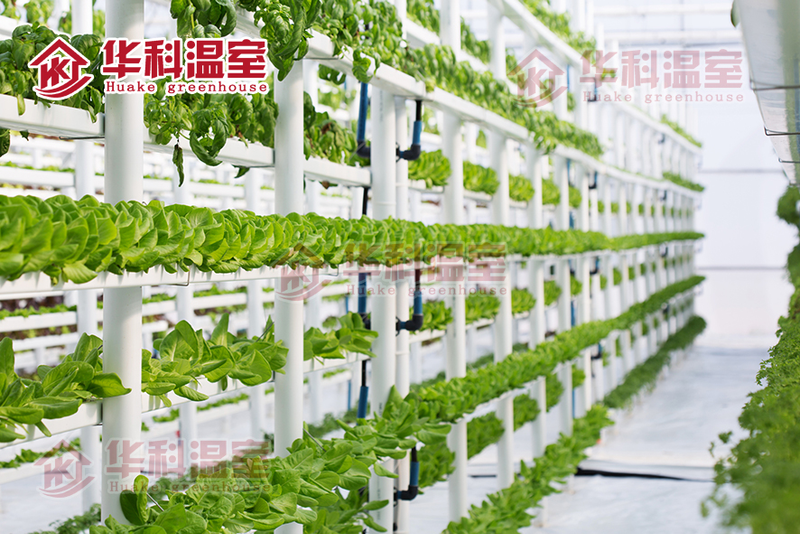
We also suggest that you invest in heat sources to help breed seeds at the beginning of a low-temperature season. Reproduction heating pads are a cheap and simple method of heating seed platforms and promoting growth, but there are other methods, such as heating cables buried on seed platforms。
2. Light sources
At the end of spring and summer, any swallow or elite greenhouse should provide sufficient natural light for the plant, but if you want to grow at the end of autumn and winter, supplementary lighting systems are essential if you want healthy and strong plants。
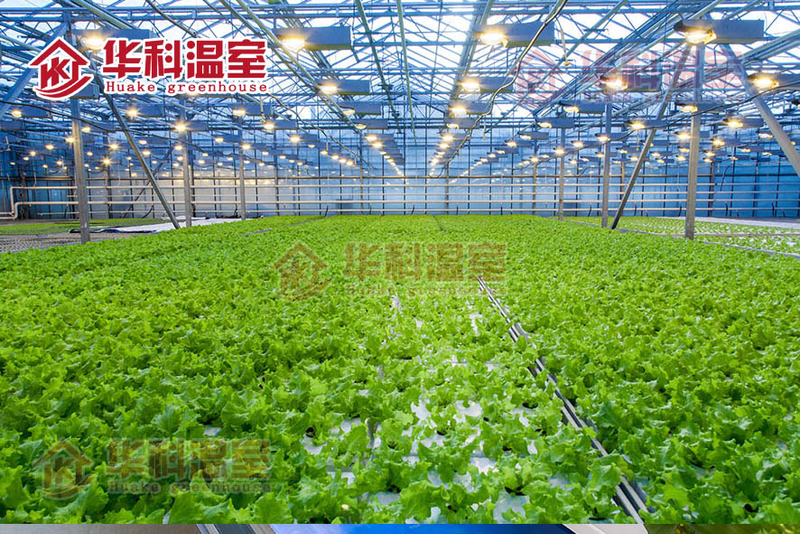
High-output fluorescent lamps and led plant growth lamps are one of the most popular lighting products because, unlike other lighting systems, they produce full spectrum light, are very energy-efficient and cover larger areas。
However, if you're in a small and cheap greenhouse, or you grow smaller crops, it's usually enough for a common fluorescent bar to hang 3-7 inches above the plant。
3. Heating
The heating room in colder months is itself a learning experience! For greenhouse growers, we suggest the use of electric heaters, which are easier to install, more economical and more widely applied. Small 120-voltaic heaters are usually well heated in small greenhouses, but larger greenhouses require more than 240-volt heaters, controlled by reliable water thermostats。
Gas heaters can also work normally, but are often less economical and cause additional problems, namely, proper ventilation, which requires a continuous supply of fresh air for combustion and smoke。
For environmentally conscious people, less energy-intensive forms of heating include the installation of ventilation systems and the use of warm air not needed in your home. Some growers with small greenhouses also use items such as rocks and other heating materials that absorb heat in sunlight and release it slowly throughout the night. Even with the use of additional heating sources, these methods are a good way to maintain greater consistency of temperature in the temperature of the greenhouses in the day。
4. Cooling
Even if the climate in the united kingdom is mild, it is difficult to maintain consistent temperatures in greenhouses during the summer season. Because they are specifically designed to keep and collect heat, cooling becomes too hot for greenhouses much more difficult than heating too cold。
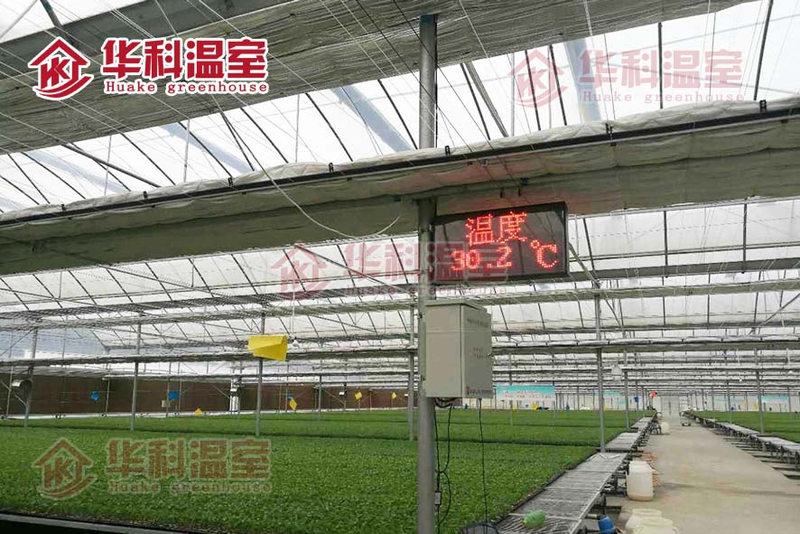
It is therefore important to consistently and regularly measure the temperature in greenhouses or pelvis during hot months. Regular temperature measurements may mean that differences between temperature and mandatory cooling must be regulated by simply opening the greenhouse door. If your greenhouses are overheated, we suggest the use of evaporating air coolers that maintain humidity。
5. Greenhouse ventilation
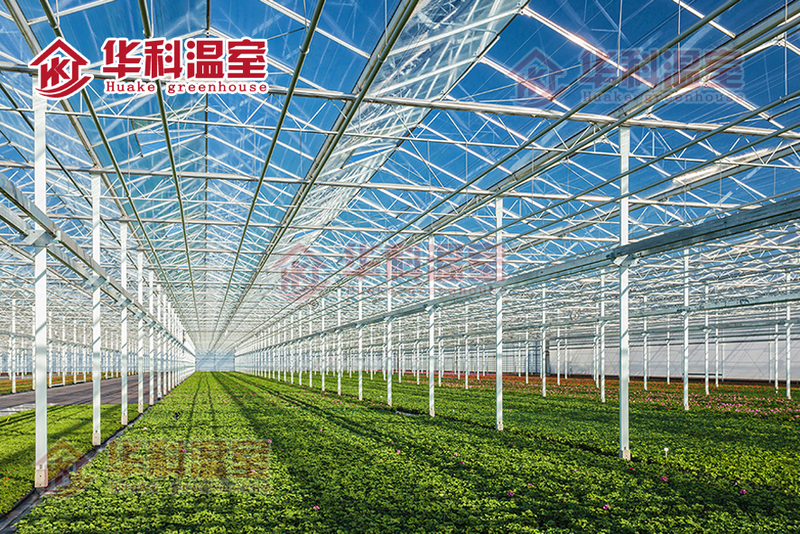
Seasons play an enormous role in greenhouse ventilation on any scale. In summer, natural heat-generated convection is sufficient to sustain a good cycle. The cold air is to be inhaled through the walls, while the hot air is to escape through the roof, thus constantly inhaling fresh air, by keeping the walls and roof vents open during the summer。
In winter, however, maintaining air circulation and preventing fungus growth may be more difficult. It would be helpful to ensure that the soil was not overwatered, but many greenhouse growers kept fans running for most cold months。
6. Watering plants
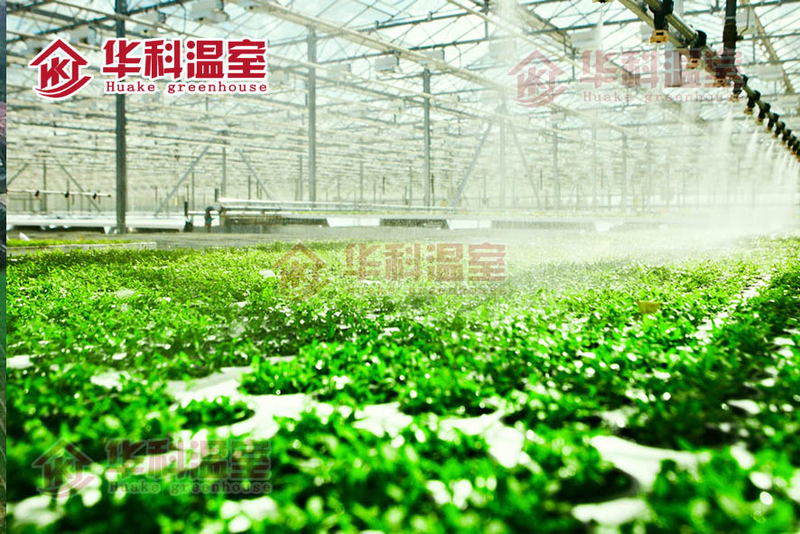
One of the most common mistakes by new growers is to water plants according to a set schedule. Many variables determine when plants need water and the temperature, humidity and growth stages of the plants themselves have a significant impact on the amount of water required。
In the middle of the winter, you may only have to pour the seeds every 10 days, and in the summer, the frequency increases. The best way to know when to water plants is to measure the moisture in the soil, using a specific hydrometer or only by seeing and feeling the soil。