The price was high, but the “potatoes were up to date” didn't think of it. The small and well-known “tato-head-growing village” of yushan county was severely damaged. On 12 may, the director of the shuri village council, chen mokshan, spoke of the villagers'sighs. Because of the low price and insufficient cost of harvesting, some growers ploughed their tacos off their fat fields and others pulled them home to feed pigs。
The village is more than 20 kilometres from yushan county and is accessible. Seven years ago, the villagers began large-scale cultivation when they saw the profitability of seeding. There are now more than 2,000 acres of land in the village, of which more than 1,000 acres are grown in taro, a small village with a reputation。
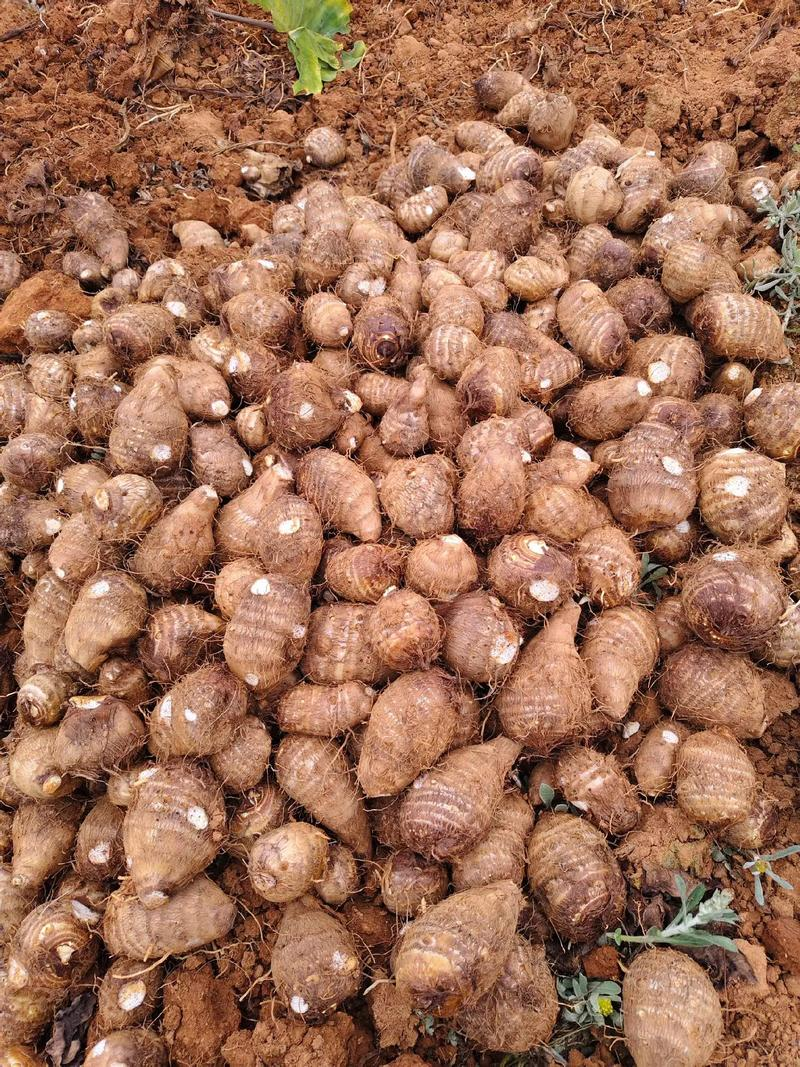
In march last year, villagers were immersed in the joy of increased production and harvest. Chen mingshan described the high price of taro at the time as $5. 8/kg, with an income of nearly $9,000 per acre, even if 1,500 kg were produced。
In october 2013, koo was sold to a maximum of 3. 4 yuan/kg, but the growers were “sustained” to watch. By february 2014, the price of taro had risen significantly to 5. 8 yuan/kg, as the villagers had expected。
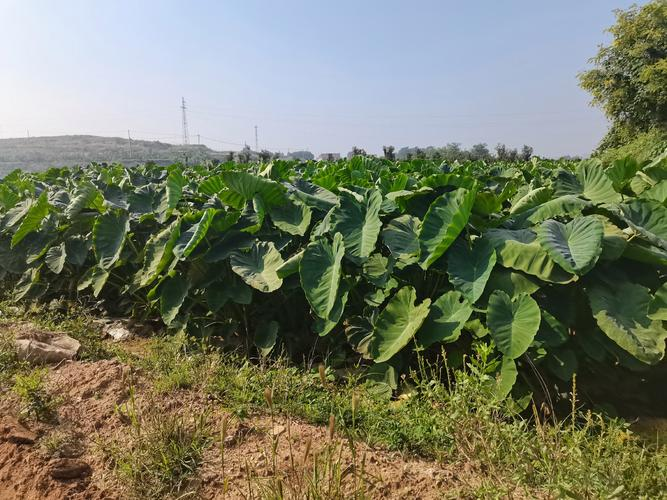
In october last year, the taco market was at a price of approximately $3/kg, but most growers did not do so and large amounts of taro remained on the ground. Villagers yao dae yun recalled that the grower's idea was that the 2013 road would still be “showed” and that it might still sell at a high price in february of the following year。
However, the grower's “potato-to-eating” strategy has been compromised. The price of taro has fallen all the way down, and in march this year it continued unabated, at a low of only around 0. 5 yuan/kg. Yao dae-yun smiled: "the price was high last year, and he was ready to gamble with his experience, and he didn't expect to lose."
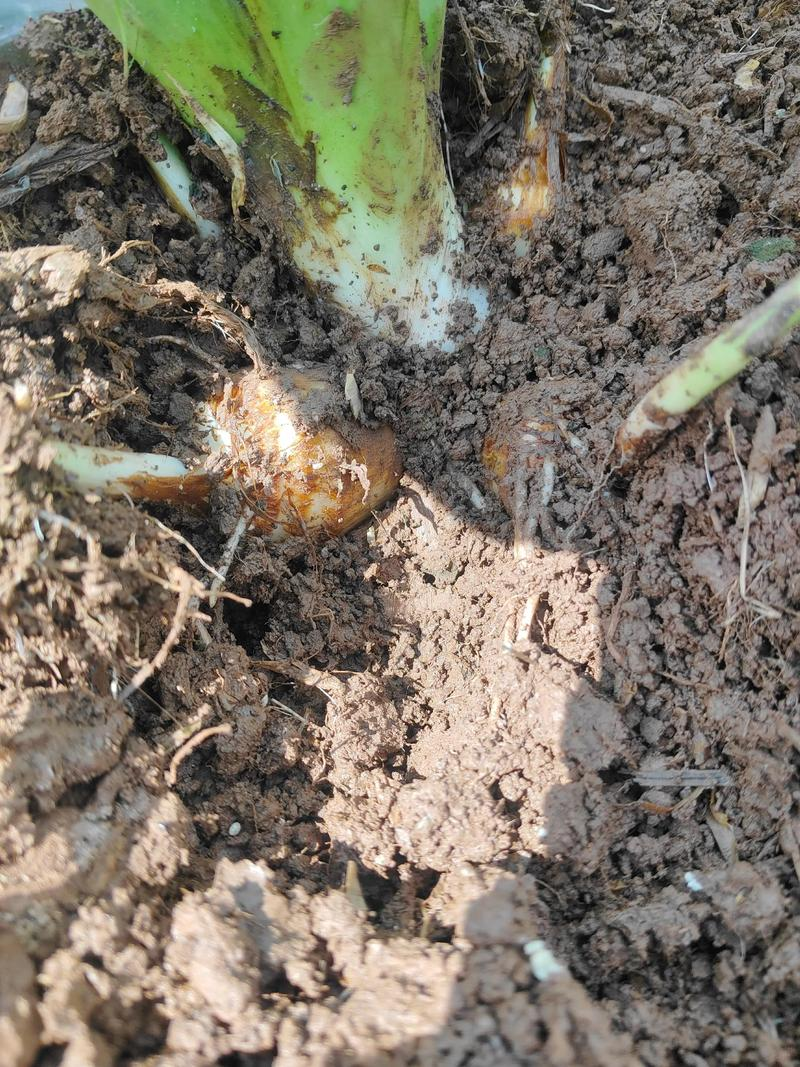
Yao da yun grows more than two acres of tara, producing more than 2,000 kilograms of acre, all of which remain “on the rise”. By late april, the taro had begun to grow and could not be eaten, and he had to plough two acres of taro out of the fertile fields. Growing large houses of wood, growing more than 10 acres of taro, has continued to sell some of the taro since last october, while some of the poor-quality taro is used to feed pigs. The grower said that the cost of planting an acre of taro was about $1,000, “a loss this year”。
Government officials in plum town, yushan county, stated that they had helped growers to learn about the sale of taro around them and hoped to help the villagers to sell the taro without success. Village villagers said that they were waiting every year and were not aware of outside market information. Local experts in the agricultural sector stated that the high price of taro in 2014 was due to the drought of the taro-producing land in shandong and other places, and that the market was different this year, and that the villagers were “atomed up” without knowing the market, which was the main reason for the taro-depression. (reporter dukin saved)