New energy vehicle air-conditioning systems differ significantly from conventional fuel vehicles in the way air-conditioning compressors are driven and heat winds are generated. New energy vehicles usually use high-voltage electric air-conditioning compressors, which are driven differently from fuel trucks and are powered by power cells, such as the bmw 530 le plug-in hybrid vehicle type。
An electric air-conditioning compressor is driven by high voltage power, with a range of between 288 and 400 v, beyond which power is reduced or disconnected. This high pressure drive does not exist in the fuel truck, whose air-conditioning compressor is driven by the motor by the transfer belt。
In the form of warm wind, new energy vehicles usually use electric heating, in two specific forms. The first is the heating of cooling fluids, which in turn provides heat for the heating tanks through circulation, and the other is the direct heating of air through the evaporation tanks. For example, pure electric vehicles do not have engines as heat sources and need to rely on ptc heaters for heating。
Ptc heaters use ptcr thermally sensitive ceramics, which have thermal resistance and thermal efficiency. The conventional fuel truck, on the other hand, transports the heat from the engine to the core of the heating unit in the vehicle through cooling fluids to heat the air inside the vehicle。
New energy vehicle air-conditioning systems also include special circumstances, such as the integration of heat wind exchangers of the bmw 530 le interpolated hybrid vehicle in the cooling fluid cycle of engines and electric generators, which are equipped with electric heaters because of the special nature of hybrid vehicles, which cannot heat up the cooling fluid cycle to the required temperature。
In addition, the refrigeration of electric vehicles is regulated in the form of thermoelectric refrigeration, electro-compression mechanisms and residual heat refrigeration. Refrigeration principles are the same as those for fuel vehicles when they use traditional air-conditioning systems, but thermal methods vary widely。
With regard to refrigeration, the new energy vehicle air-conditioning system and the traditional fuel trucks use four main components, such as compressors, condensers, expansion valves and evaporation engines, and work together to recycle. On the heating side, fuel trucks rely mainly on engine heat, while pure electric vehicles usually rely on ptc electric heating. The heat pump air-conditioning system is more complex and free to switch to the cooling and heating cycle, reducing dependence on ptc electrical heating。
The new energy vehicle air-conditioning system added ptc heating systems and electric compressors to the configuration of the air-conditioning system. Refrigeration systems consist of condensers, electric compressors, evapotors, electro-inflators, heat exchangers, etc. The heating system consists of electronic pumps, water heaters (ptcs), heating wind valves, and heating cores。
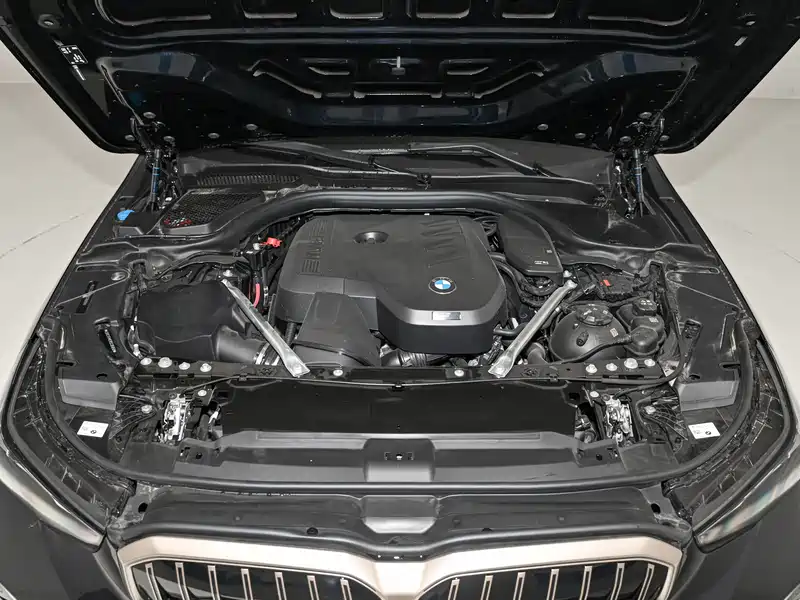
In terms of energy efficiency, electric air-conditioning systems are generally more efficient than in general, at around 3. 0 per cent, compared to about 2 per cent for conventional fuel vehicles. At high speed, however, fuel truck air-conditioning condensers have increased their heat dispersion efficiency and their energy efficiency ratio has increased to around 3. 0。