A detailed extrapolation of the new economic geography “centre-outside” model, i. E., monopolizing prices in competition
Zhang kensei
As the founder of the new economic geography, krugman's paper, income growth and economic geography, became the opening of this discipline. As a result of subsequent contributions such as development, geography and economic theory and space economics — cities, regions and international trade, he was awarded the nobel prize for economics. The “centre-outside” model is one of the most famous models in the geography of the new economy and is no longer repeated。
The centre for qualitative understanding — extraneous model recommends reference to the sbo course entitled economic factors and functional space。
The following is a step-by-step mathematical extrapolation from an econometric perspective。
One from cobb-douglas production function, c-d, speaking
We know that the elements of inputs in the production process are derived mainly from technology, capital and labour, and that different combinations of inputs have different effects on production. That's..
Yfakl(, , )(1. 1)
Of these, y is production, a, k and l are technology, capital and labour. The production function is used to reflect the relationship between input elements and production。
In the production function model, factor substitution elasticity is an important concept that is a quantity of the description of the nature of substitution between input elements, i. E. The ease of substitution between elements. Therefore, the factor substitution elasticity needs to be assumed before a production function model is established. I'm not sure what i'm talking about,
Marginal production of 1 element
Marginal production means an increase in production when an input element increases a unit, expressed as,
Kfpk,
Ifpl,
In general, marginal yield is satisfied (0) lmpp
The marginal output is not negative。
In general, marginal production is subject to decreasing patterns。
Marginal replacement rate for 2 elements
When the two elements are interchangeable, the same amount of production can be produced using different combinations of factors. Marginal substitution rates for elements are the ratio between an increase in one element and a reduction in another in a given case of production。
Mrskl for k-l marginal replacement rate, i. E. Replacement of 1 unit of l with y-neutral output
The required increase in the number of k indicates that,
Lkrsl,
This is because marginal production can also be expressed as a problem,
Kypk,
Lypl,
So there is
Kpl,
Lpk,
So the marginal substitution rate of the factor can be expressed as the marginal yield ratio of the factor, i. E
Klmpprs,
Lkmpprs,
3 elements alternative eflexibility
The factor substitution elasticity refers to the ratio of the ratio of the two elements to that of the marginal substitution rate, in use, expressed,)) (klklppppklk(1. 2) apparently, in a positive number, indicating that there are limited alternatives between the elements。
If there is no alternative between the elements,
K is the same, the molecule is 0, the alternative elasticity is 0,
If the number of elements changes and their marginal yields remain unchanged, the denominator is 0, with an alternative elasticity, indicating an unlimited substitution between the elements。
4 factor output elasticity
The output elasticity of an element is the rate of change in production caused by a 1 per cent increase in the other input element when it remains unchanged。
Ek for output elasticity of capital, el for labour elasticity,
Kyyyk,
Lylyl, (1. 3) in general, the output elasticity of the element is greater than 0 < 1。
Enter the production function model below. Kobdawgras function, c-d, resolution is,
Yakl, (1. 4) is available according to the definition of factor output elasticity,
Ykyk1
♪ ylkyl1 ♪
That is, the parameter, the output elasticity of capital and labour, respectively. (01) (01),
The c-d production function is now looked at as an alternative to the element elasticity based on (1. 2) availability) klklpppplk
,dkldmplkln() (ln())
,dkldklln() (in()),
, kldklln() (in()ln),
One
Is the replacement elasticity of the c-d production function element to 1。
Ii alternative eflexic (ces) function model
The assumption that the alternative elasticity has always been 1 clearly does not correspond to reality. For example, labour-intensive agriculture and capital-intensive modern industries, where the substitution between capital and labour is clearly different in nature。
The following is the introduction of the constant alternative flexible production function model, the ces model (constant elasticityofsubstitution),
, (m2), l (2. 1)
Parameter a still reflects the level of technological progress, clearly a>0,
(1 and) 2 is the distribution factor (01) (01), and, 1 +, 2 =, is the alternative parameter and m is the scale compensation parameter。
=1,
In the form of the original ces model, )2, (l) assumes no change in scale remuneration, which is then improved in practical application taking into account the existence of scale compensation,
Yes, it is,
2, (mlm), i. E. When factor inputs are increased, multiplied, and production is increased, we say that the scale is the same. It can be seen that compensation on a scale can increase or decrease depending on parameters m. M = 1 pm, no change in scale, m > 1 pm, increase in scale, m
Now look at the alternative elasticity of the elements of the model. M=1, available under 1. 2,
Klpk
Klpk
,dkldmplkln() (ln())
Because of mpyk,
. . . . . . . . . . . . . . . . . . . . . . . . . . . . . . . . . . . . . . . . . . . . . . . . . . . . . . . . . . . . . . . . . . . . . . . . . ,
. .. . . . . . . . . . . . . . . . . . . ,
Mpl,... Lkl1212,..
Mppklk, 11)
So..
I don't know,
, kldklln() (in(()) 11
, kldklln() (in()ln), 11
, (2. 2) because it is a positive number, the parameter, the numerical range is, ,, and, not 0
If zero, the factor replaces elasticity with an estimated value of 1, at which point the ces production function will be degraded to the c-d production function。
The ces function can be used not only to describe the production process, but also as a utility function, as it is similar to the input element and has differences and substitutes between commodities. The greatest feature of ces is constant price elasticity, and in krugman's “centre-outside” model, the utility of the composite price index and consumption of different products is expressed through price elasticity of demand. D-s model,
In a model of incremental pay on a scale, we usually assume that it is an external variable, that is to say, that the assumption of full market competition can be used. But this model is unrealistic, and we must create a market structure where there is a monopoly on competition. Space-based d-s models have largely solved this problem。
Because of economies of scale, the smaller the product category, the larger the output per product, the lower the cost. However, a reduction in the number of differentiated goods would reduce consumer utility, and no one would like to sell only one dress in the mall. So we assume,
1 consumer preference for a diversified product mix,
There are good alternatives between products in the same sector, but less so for products outside the sector。
Note the other products as zero, with good alternative products, ... 2, the utility function is,
,(x2)
In which function v is symmetrical, i. E. The utility function is symmetrical for each product within the industry and has the same fixed and marginal costs for the same group of products, with an income elasticity of 1 for all products。
Dixett and stiglitz use the ces function to describe the consumer's choice relationship to a different set of products, an approach that can easily express the idea of substitution between products within the group, i. E. “heterogenic”. The function is:,
,, , , , , , 1ixu(01) (3. 1)
Of which, an alternative elasticity for the product. I don't know,
The budget is bound by,
I i, x (3. 2)i,1
I for product prices. Considering within the sector, the best consumption can be derived from the principle of maximum utility, i. E
(1x),, (i), 1, substitution elasticity, 1, 1 (3. 3)
(xx),, (i) budget bound by (i i), 1 x
In the first instance, for whatever i have
I, i, i, i..
(3. 4) i px 1, ... . . .,
Peace, i i, , , , , , , x
Will, return (3. 4) is available,
1 n (x),
I'm sorry,
One, one, one
One at a time,
Eleven, one, two, one, two, three, one, two, one, one, two, one, two, one, two, three, one, one, two, three, one, one, one, two, one, two, three, one, one, one, two, one, one, two, one, one, two, one, one, one, two, one, one, two, one, one, one, two, one, one, one, two, one, one, one, one, two, one, one, two, one, one, one, one, two, one, one, two, one, two, one, one, one, two, one, two, one, one, two, one, one, one, one, two, one, one, two, one, one, two, one, one, two, three, one, one, one, one, two, one, one, one, two, two, three, three, three, one,
One,
(n ),
♪ and... ♪,
♪ and, and, and i'm 1 1 ♪,
One
One
, , , , , , , , , , , , , , , ,, , , , , , , , , , , , , , , , , , , , , , , , , , , , , , , , , , , , , , , , , , , , , , , , , , , , , , , , , , , , , , , , , , , , , , , , , , , , , , , , , , , , , , , , , , , , , , , , , , , , , , , , , , , , , , , , ,
One, one, two, one, one, one, one, one, one, one, one, two, three, one, one, two, three, one, one, two, one, one, two, one, one, one, two, one, one, one, two, one, one, two, one, one, two, one, one, one, one, two, one, one, one, two, one, one, one, one, one, one, one, two, one, one, one, one, one, one, two, one, one, one, one, one, two, one, one, one, one, one, one, one, one, one, two, one, one, one, one, one, one, one, one, one, one, two, one, one, two, one, one, one, one, one, one, one, one, two, one, one, one, one, one, one, one, one, one, one, one, one, one, one, two, one, one, one, one, one
One, one
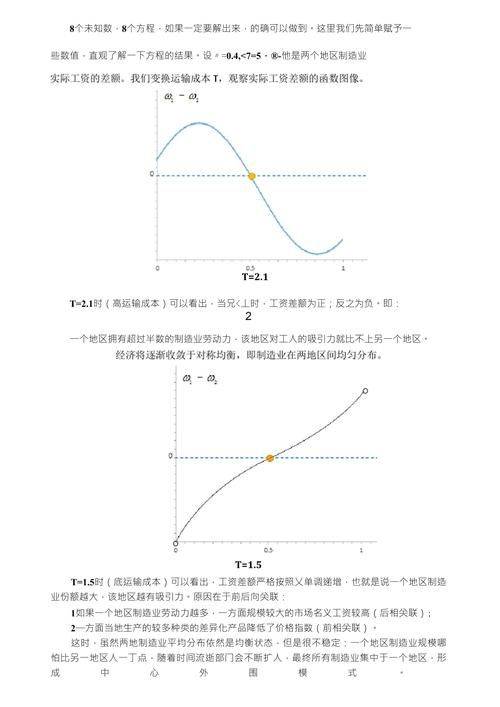
Quantifiable index (x),,, (i) price index,,,,, and (1. 1 i) iq, available by means of (3. 4), i i pq 1 x,,,,, i p1 x,
,... ,... ,... ,., i p1 (3. 5)
(3. 5) format is the desired function for i. And as you can see here, one is an alternative elasticity between products in the sector。
Dixett and stiglitz have set up two additional indicators,
(1), (i), (i), (i), (i)。
By previous extrapolations, y describes the number of products, q describes price levels. (3. 5) the requirement function can be recast to:,
(1 ),, i pq(q) i (3. 7)
Where s(q) is a function of q, determined by the form of function u(3. 3)。
You can also find 0 from the above-mentioned extrapolation, omitted here. Each manufacturer produces only one product and seeks to maximize profits, and when “marginal producers” have a balance of income and expenditure, the balance of entry and exit is created. Thus, such market balances are market balances in monopolistic competition situations. If the marginal cost is c and the fixed cost is a, the manufacturer's cost function is,
Ix, i
As both utility and cost functions are symmetrical, each manufacturer has the same balanced production and faces the same equilibrium prices in the market balance. Market equilibrium must meet two conditions for maximizing profits,
The marginal cost per manufacturer is equal to marginal income。
When n is sufficiently large, the difference is so great that the impact of single commodity prices i on price levelsq and thus on i is negligible. By the price elasticity of the available demand,
I'm sorry,
I'm sorry,
- i don't know
I don't know,
C,
If using e to indicate a balanced price with a monopoly on competition
(e) (3. 8),
New manufacturers are free to enter until net profit is exactly zero。
Monopolistic competition balances the producer with zero profit, i. E. For the i manufacturer (a i)
Assumptions i = 1, if the equal number of manufacturers is expressed in e, it is considered as a product type, which is associated with the upper form and (3. 8) mode,
, (p)
... A e
, (e)
If e indicates equal output, solves
A c (3. 9)
(3. 7) (3. 8) (3. 9) is an important conclusion of the d-s model, the core of which is primarily,
1 constructs a utility function that reflects product types。
2 assuming that the firm's fixed and marginal costs remain the same, a balance of production, prices and product types under monopolistic competition can be achieved by maximizing effectiveness and profitability。
The d-s model provides a concise analytical framework for monopolistic competition that considers product types. Krugman applied the d-s model most directly and succinctly in the study of new economic geography. For example, in two countries with the same consumer preferences and levels of technology, traditional elements are available. It is argued that international trade between them is unlikely. But according to krugman, international trade, like population growth, can increase not only balanced production, but also product varieties, so that both can benefit from international trade and improve their welfare. This is “in-industry trade”, which will be described in detail in the next stage of the extrapolation。
Ces's constant replacement elasticity function and the d-s monopolistic competition model are the economic underpinnings of the krugman “centre-outside” spatial model, familiar with the process of extrapolation at this stage, which we can understand further when we enter the “centre-outside” model。