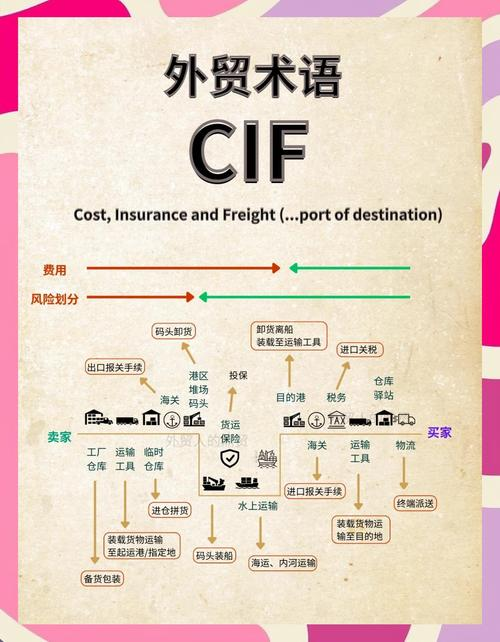
Fob is an abbreviation of free on board, meaning the fob, which means that the seller delivers the goods to the port of shipment or to a designated place and bears all costs and risks prior to the shipment to the port of destination. Generally applicable to maritime transport. Cif is the abbreviation of cost, insurance, and freight, which means that the seller is responsible for the cost of insurance for the purchase of the goods, in addition to assuming responsibility for fob. In the cif price, the seller is responsible for the transport of the goods to the port of destination and pays for insurance until the goods arrive at the port of destination. These two trade terms are common in international trade and buyers and sellers need to clearly agree in the contract which trade terms to use to determine their respective responsibilities and obligations。
In practice, selecting fob or cif has their own advantages and disadvantages. If the seller chose fob, he would simply be responsible for handing over the goods to the designated port of shipment, the remaining costs and risks would be transferred to the buyer and the seller's liability would be relatively light. If cif was chosen, the seller would have to bear more costs and liabilities, but the risk to the buyer would be relatively smaller, as the seller bore the cost of insurance for the goods。
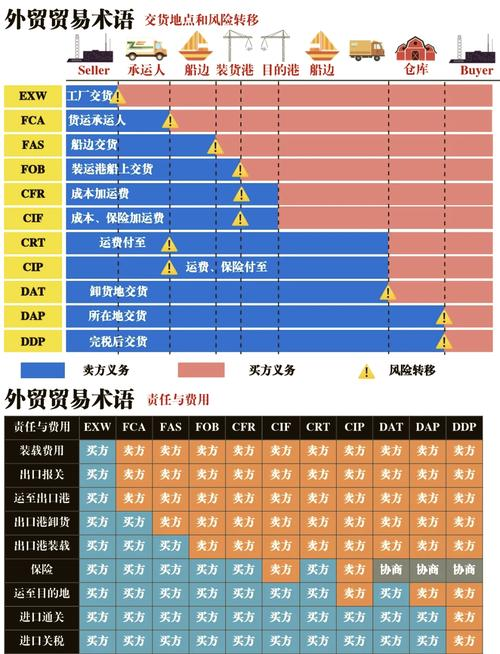
In practice, regulators should be flexible in choosing fob or cif depending on the circumstances, depending on the type of goods, transport distance, value of the goods, etc. In addition, more favourable trade terms could be negotiated to ensure that the interests of both parties were safeguarded。
Assuming, for example, that a chinese company would export a consignment of goods to a united states company, if both parties agreed to use the fob trade terminology, the chinese company would simply need to deliver the goods to the designated port of shipment, with subsequent costs and risks borne by the united states company. If cif is chosen, the chinese company would need to insure the goods and be responsible for transporting the goods to the destination port in the united states until the goods reach their destination。
In conclusion, fob and cif are two common trade terms, and regulators should choose with due regard to their respective strengths and weaknesses and be flexible in their application depending on the circumstances. In practice, the interests of both parties can be ensured through contractual engagement and negotiation。