Our country is the world's largest vegetable producer and consumer, and the autonomous nature of the vegetable industry is key to stabilizing the civilian “basket”. Our country has also made important breakthroughs in the sources of vegetable crops since the implementation of the crop renewal initiative. Like the western blue flower seed, which was once dependent on imports, there is now a scalable national replacement, followed by a tour of zhejiang tai county, the country's main western blue flower territory。
In late march, in the coastal city of zhejiang tai county, the west blue flowers in the field were collected and stored in cold storage, and the western blue flowers were ready to be loaded into shops in shenzhen, shanghai, etc., after they had been coarsed and processed. He told journalists that he had planted more than 10,000 acres of western blue flowers this year in zhejiang, jiangsu and gansu, 80 per cent of them using seed from the country。
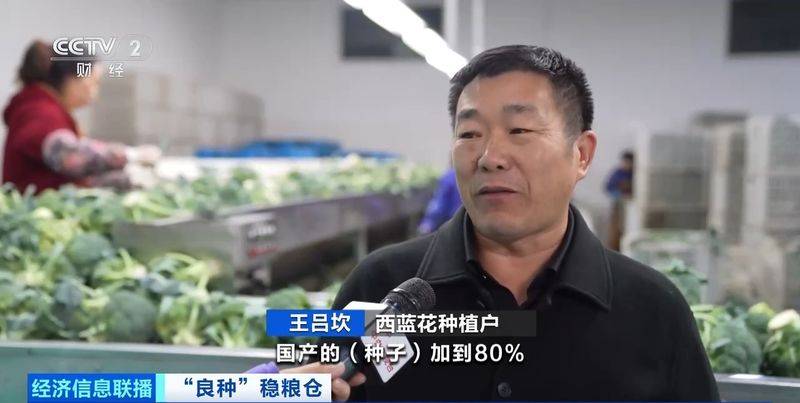
West blue flower grower wang lucan: we have grown from 20 per cent of domestic seeds in 2020 to 80 per cent each year. Imported seeds may not be used much next year。
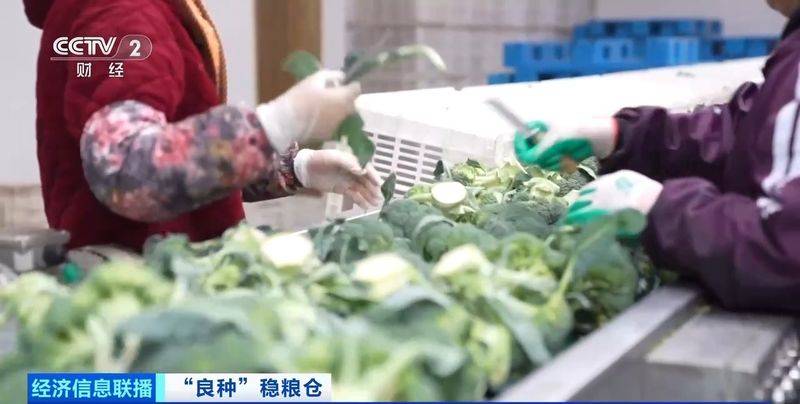
Wang luccan told journalists that around 2018, a package of 2,000 imported western blue flower seeds, the price of which had risen to $360, converted to close to $720 for an acre of land alone. The cost of planting western blue flowers has now declined as the country's seed production has expanded。
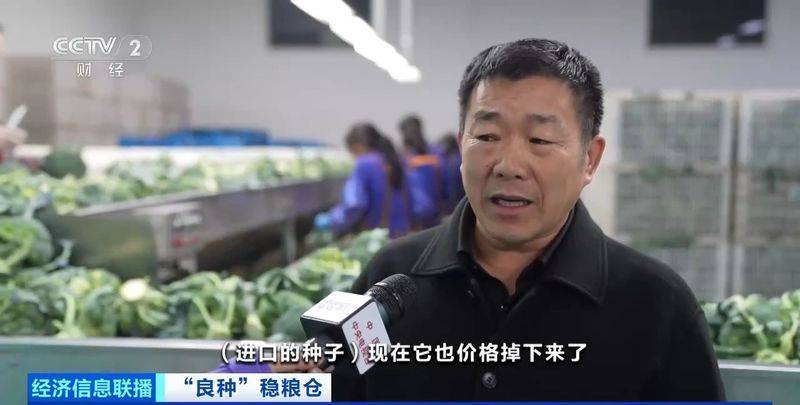
West blue flower grower wang luccan: the country's 2,000 pack is $150, and the seed cost is currently $300 per acre. The amount of domestic seeds is high and the price of imported seeds is now down。
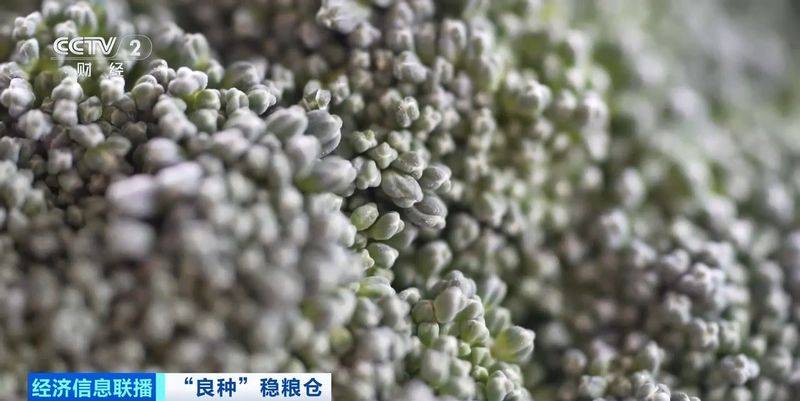
In addition to declining planting costs, the most important reason why farmers choose to produce western blue flower seeds in their own countries is increased efficiency. The use of locally produced western blue flower seeds, with an acre production of about 4,000 pounds, represents an increase of more than 20 per cent over imported varieties. In addition, the quality of western blue flowers is better in the form of domestic seeds。
West blue flower grower wang luccan: the country-produced western blue flower seed fruit round, flower pellets, green colours are much better than imported seeds and have a high tolerance for storage and value of goods。
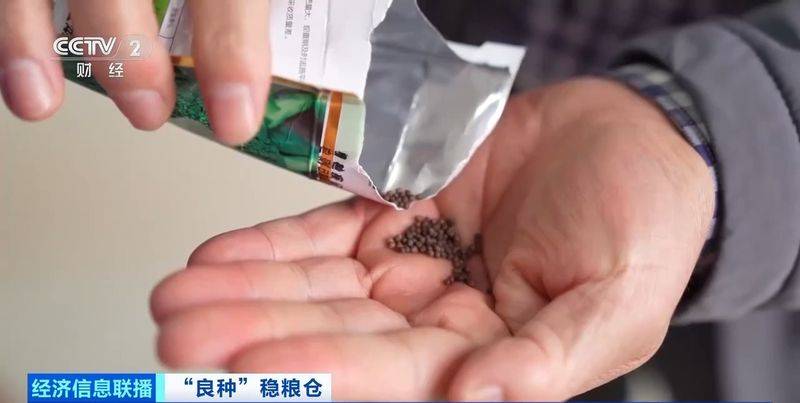
Current imports of western blue flower seeds are described as having some advantages in respect of pre-maturized varieties, with more cultivation in some production areas in the northern part of the country. However, the national production of western blue flower seeds has been catching up with medium- and late-literate varieties, and there has been a trend towards the replacement of national production, with market ownership of western blue flower seeds increasing from 5 per cent before 2020 to 44 per cent today。
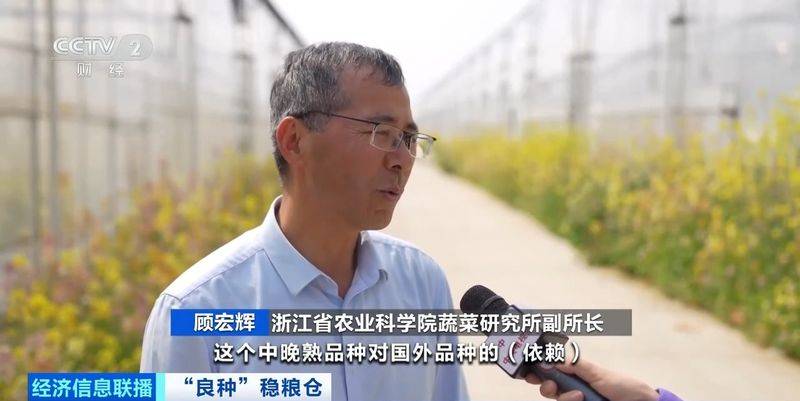
Vice-president of the vegetable institute of the academy of agricultural sciences of zhejiang province。
Science and technology joined forces to break through the last mile from the lab to the field
From long-term dependence on imports to market ownership of autonomous varieties, 40 per cent of the country's western blue flower seeds have been recognized by growers with high yields and good quality, and market demand has risen. And behind this small seed is the practice of crop revitalization that sustains innovation in breeding technology and deep scientific synergy and integration。
In zhejiang kashing, a farming company, it is now a critical period for breeding. In the nursery, workers are busy with artificially pollinating western blue flowers to produce the original species needed for production. And in the growing sheds on the side, bees travel through the ears of flowers, pollinating naturally and multiplying the commodities that will be on the market this year. The officials told the journalists that their crop area had doubled this year as their western blue flower seeds were sold out early in 2025。
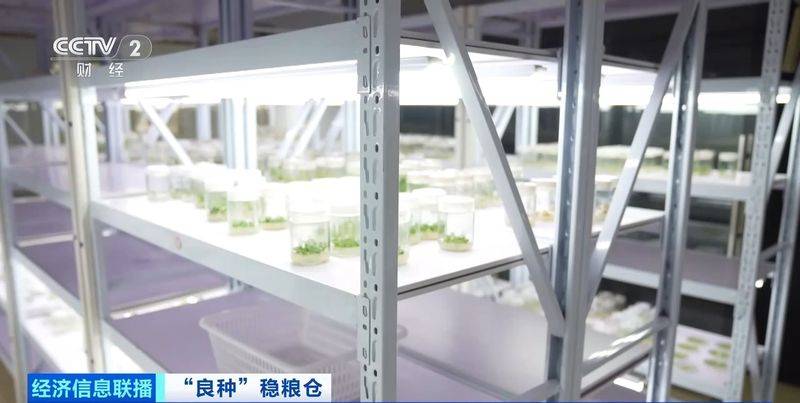
Since 2011, the enterprise has managed to produce almost 10 varieties, of which two core varieties are market-recognized, with a nationwide extension of nearly 600,000 acres. The last five years have also been a critical period for a breakthrough in the domestic production of western blue flower seeds, thanks both to the accumulation of pre-planting materials and to the in-depth collaboration of enterprises and institutions of higher learning and research institutions, which have contributed to the rapid transformation of research results。
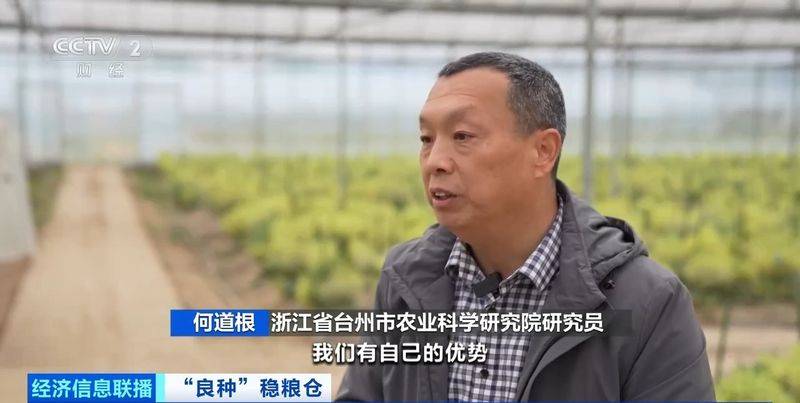
Researcher at the institute of agricultural sciences in taizhou, zhejiang province. Businesses are relatively more aware of farmers ' needs, and we work with them to select varieties that are more in line with market demand, and to spread more quickly。
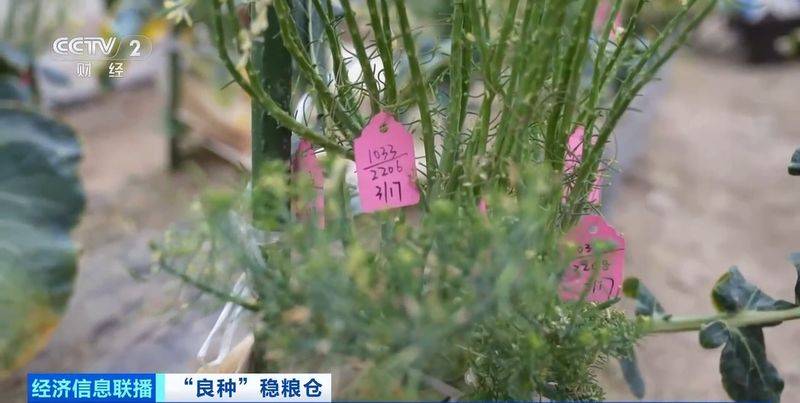
In 2018, the ministry of agriculture and rural affairs organized a joint national competition of 28 research institutes, higher education institutions, farming enterprises and extension units to create synergies in production studies and foster integrated breeding systems。
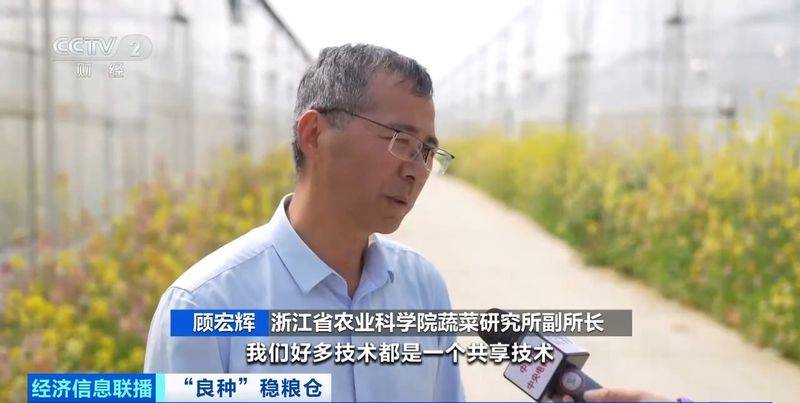
Vice-president of the vegetable institute of the zhejiang academy of agricultural sciences many of our technologies are shared technologies, and the rate of breeding has been reduced from 13 to 15 years to 6 to 7 years, so new varieties have emerged over the years。
From a little breakthrough to a more flowering industry, the subsistence rate of vegetable growing has increased steadily
The successful breakout of the western blue flowers is not an example, and our vegetable growing industry is moving from “a little breakthrough” to “more flowering” as crop revitalization moves forward. A group of previously imported vegetable varieties is gradually moving towards national substitution, and our vegetable industry's autonomous supply capacity has continued to grow and the “baskets” of vegetables have been firmly established。
In the experimental fields of the chinese agricultural institute, located in beijing, new varieties such as spinach, cabbage and carrots, which have been selected by themselves, are well developed. The officials informed journalists that these varieties, which were highly dependent on imported vegetable seeds, have now made successive breakthroughs in national breeding。
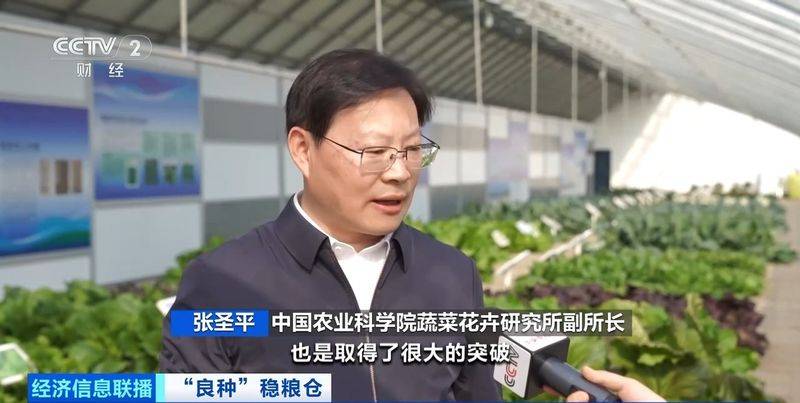
Zhang saint-ping, vice-president of the vegetable flower institute of the chinese academy of agricultural sciences, also made a great breakthrough during the “1455” period, when the market share of national products increased from less than 2 per cent to 15 per cent。

The core drivers of the breakthroughs are continuous innovation in breeding technology, and the automated gene speculation platform is operating efficiently at the bioculture laboratory of the vegetable flowers institute in china's agricultural institute. Dna extraction, marking development and genetic spectrometry are being completed through a leaf sample collector and high-throughput gene spectrometry robot. In the past, scientists had taken weeks to complete their genetic identification, and now, with the help of smart equipment, they were able to do so within a few days, with a significant increase in breeding efficiency。
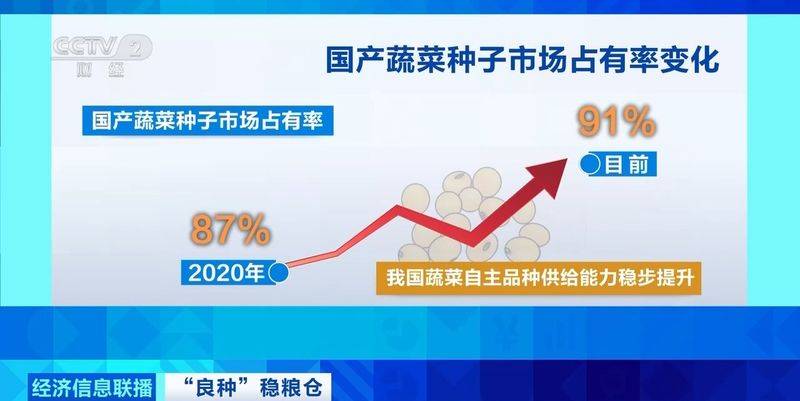
The data show a steady increase in the country's capacity to supply autonomous varieties of vegetables, from 87 per cent in 2020 to 91 per cent at present, and from 36,000 to more than 44,000 vegetables. According to industry sources, short plates are being accelerated in the area of vegetable varieties such as western blue flowers, carrots and spinach. However, some high-end specialized varieties remain at a gap with international advances。
From the breakthrough of a western blue flower seed to the rise of an entire vegetable-cropping matrix, we have seen an efficiency leap brought about by technological trajectories and, more importantly, the synergy generated by institutional innovation. Behind the change in this number, from 87 to 91 per cent, is the shift in the country's vegetable farming industry from quantity catch to quality lead. The seed bank has become richer, breeding techniques have become more intelligent and productive research has become more accessible. As crop revitalization continues, an increasing number of “chinese species” will build up “china food”, thereby building a firmer foundation for agricultural powers。