


Mr. Faifyau-tung's village china was a “rural sociology” lecture given at the south-west congress and yunnan university in the 1940s, focusing on traditional culture and grass-roots social governance structures in rural and urban chinese society. The book was first published in 1948 and has been in existence for many years since the “four four” new cultural movement. To some extent, however, we are still in a position to compare the book and its focus and conclusions with the mainstream of the new culture。
In the subsequent writings and discoveries of the new cultural movement, it appears that the anti-traditional, anti-separation side has been given a significant boost. However, as wang dewey pointed out in his repressed modernity, the new cultural movement, on the one hand, obscured its inheritance of tradition and, on the other hand, created a confrontation with the former. As a result, traditions, cultures, social structures and institutions are stigmatized and often misinterpreted。
This idea may be understood in special times. But now, the limitations and problems are clearly identified. Mr. Faye's work has to a certain extent escaped these limitations and is based on china's traditional development logic, supported by relevant western sociological methods, concepts and cultures, and exemplifies the characteristics of china's native society。
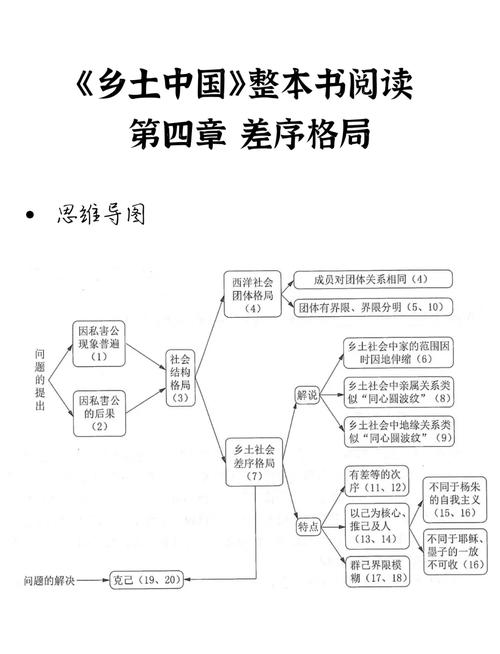
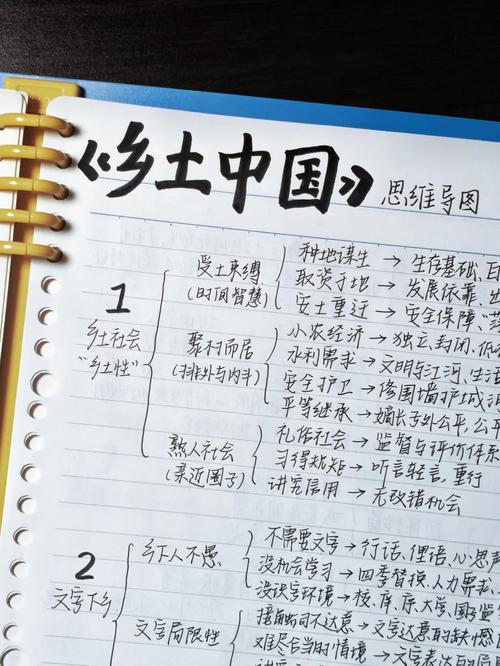
Just as jin-tao and liu qingfeng learned about the “super-stabilized structure” of history, so did china. – china's rural and urban societies can last a millennium, with complex cultural, social and political factors inherent in them. By means of 14 articles, mr. Faye examined in detail the many building blocks of rural society, thereby presenting the stable structures behind the “rural” in a point and face。
Today, many of the observations or conclusions in the “tribunal china” — such as the pattern of differentials, the three basic features of rurality and traditional local self-government — have become some kind of consensus and have been discussed in greater detail and depth in subsequent studies of this kind. Mr. Faye's research in the 40s and later in the 1970s and 1980s was echoed by the academic community. He has abandoned the dualist concept and approach of the traditional “five-four” new culture and has revealed problems that have been overshadowed by inappropriate research methods through a process of combing and studying the internal ways in chinese society. In the study of the history of women in europe and the united states, mr. Faye's methods were largely echoed by gohyanyan's feathers, mansuen's pretentious book and ilya's insider。
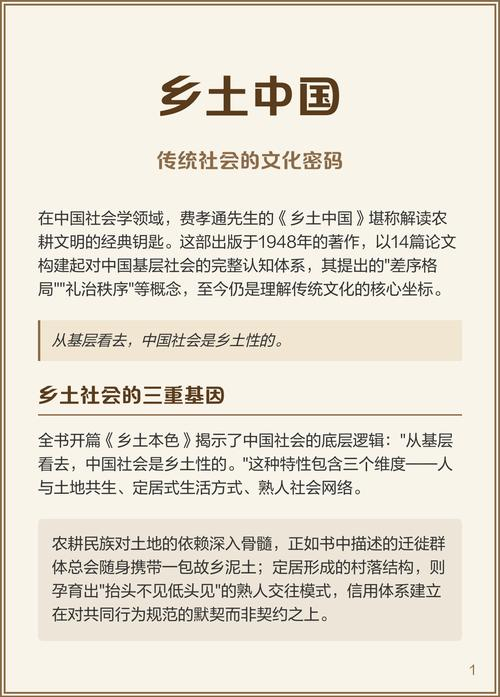
With the development and deepening of the transformation of chinese society, the rural society studied by mr. Faye is gradually disappearing — because the culture and society that had nurtured and supported it have changed. In the old countryside, both the pattern of disparity in the structure of society at the grass-roots level and the influence of the family in local society, etiquette and the rule of law were based on traditional confucianism。
The modern society is increasingly mobile, well-known societies are slowly disappearing, and the “rural” structure, with its strong indigenous consciousness and fixed concept, has collapsed. The moral, customary and social values that lie on it and live with it have also been eroded, or have experienced modern sexual shocks and difficult transformations — a transformation that continues to this day. Thus, today's affection for the country china stems from the memory and memory of the whole society, precisely those that have disappeared。
This transformation of chinese society is truly worldwide — no traditional social structure can resist the powerful effects of modern flood flows. In the gift of the french sociologist moss, he summed up the traditional society as a “one-size-fits-all structure” through a study of linkages, cultural and power-structure changes resulting from the gift exchange process in ancient societies. And the emergence of modern specialization threatens this wholeness by disintegrating it – and thus the disappearance of “rural china” is just one of many。
However, country china is not a mourning for this inevitable process, and to a large extent it is more like opening a window for those who come later - on the one hand, it is used to understand the pattern of the functioning of chinese society at the grass-roots level in ancient times, as well as the many cultures, perceptions, rituals and governance situations that have emerged as a result. On the other hand, it may be providing a mirror for a modern china. In addition to its limitations, the ancient tradition is bound to possess a certain amount of wisdom, and its critical learning, learning and re-creation will have a positive impact on contemporary social development and deserve our exploration and exploration。
(doctor of philosophy, toji university, faculty of law)



