Advising intermittent ceramic ball miller: 138386965
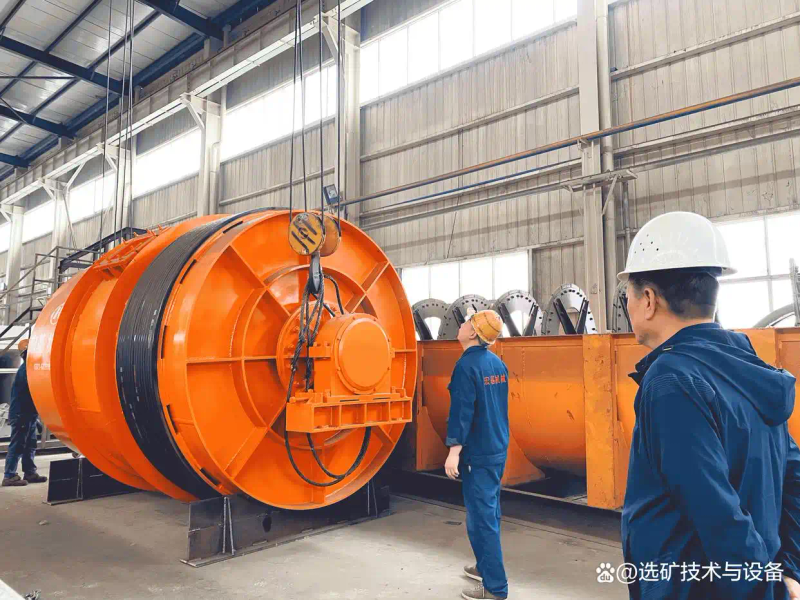
Ball mills have always played an indispensable role as a classic and efficient powder-processing device in industrial and scientific fields requiring the fine grinding of solid materials to micro- and even nanoscales, such as ceramics, beamware, electronic materials and new construction materials. Among them, intermittent ceramic porcelain grinders, because of their unique structural materials and working patterns, have an absolute advantage in the fine grinding and super-scrawling processes of high purity, anti-pollution requirements. This paper will explore in depth all aspects of intermittent ceramic balls grinding machines and will provide a comprehensive analysis of this key equipment。
I. Definition and working principles of intermittent ceramic ball grinders
1. Definition of intermittent ceramic ball grinders:
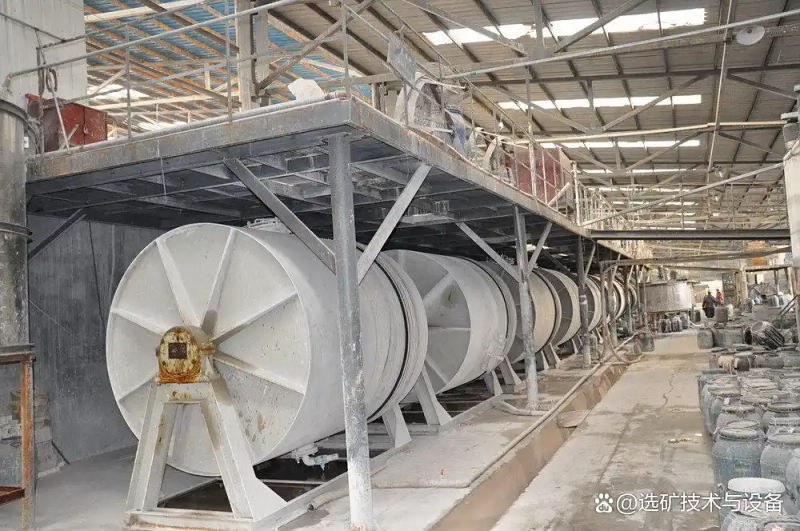
Interrupted ceramic ball grinder, by definition, is a grinding device made of ceramic material for batch (intermediate), core grinding components (e. G., panels, grinding balls) in a working manner. The “interruptive” means that the material is a one-time input, a one-time grinding after a certain period of time, and after a one-time grinding cycle is completed, then the next batch of material is grinding, in stark contrast to a continuous ball grinding machine with a continuous stream of inputs。
2. Interruptive ceramic ball grinders:
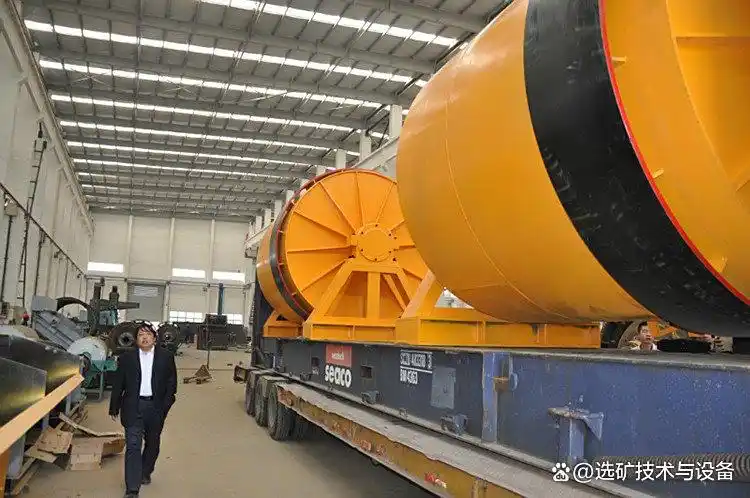
The working method of the intermittent ceramic ball grinder is based on the classic combination of friction grinding and shock grinding. The core process is as follows:
Loading: loading of pre-determined grinding materials, grinding media (porcelain balls) and appropriate solvents (water or other liquids) from the feed mouth into the rotting grinder。
Rotation and lifting: when the main generator of the ball grinder is activated, it rotates at a flat pace around its horizontal axis through the brake wheel. During the rotation, ceramic grinding balls and materials in the cartridges were elevated to a certain altitude as a result of friction and centrifugal force。
Throwing and impacting: when the angle rises above the “natural stop angle” of the grinding ball, the grinding ball and the material will fall down like a waterfall. In the course of the fall, there were severe collisions and shocks between the grinding ball, between the grinding ball and the barrel liner, which had a strong impact on the material particles caught between them and caused them to break。
Friction and grinding: during the rest of the rotation of the cartridges, there was a relative slide between grinding balls of different sizes, which produced a strong shear and friction, crushing and grinding the material, further reducing the size of the particles。
Cyclical and fine: the above-mentioned lifting, fall, shock and friction processes are repeated with the rotation of the cylinder, and after thousands of such random collisions and grindings, particles are gradually shredded, fined and evenly mixed, ultimately reaching the desired particle and even levels。
Unloading: when the time set for grinding is reached, the brakes and discharges through the offloading mechanism (e. G., gas-activated caps or sifting net vents) of the polished slurry complete a work cycle。
Ii. Core structure and characteristics of intermittent ceramic ball grinders
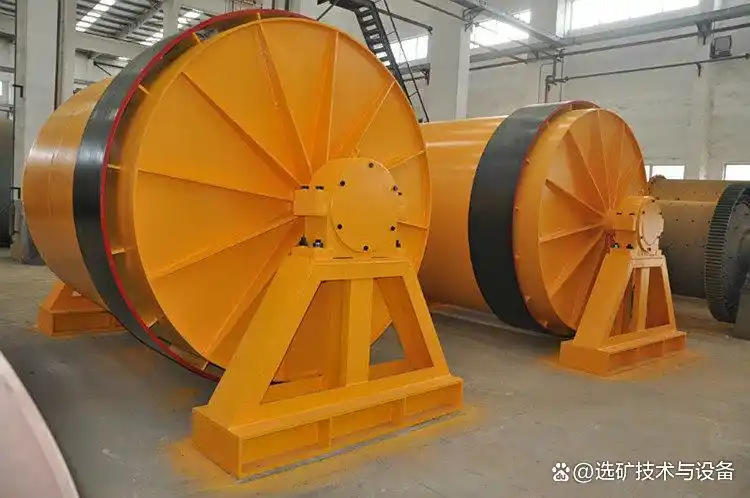
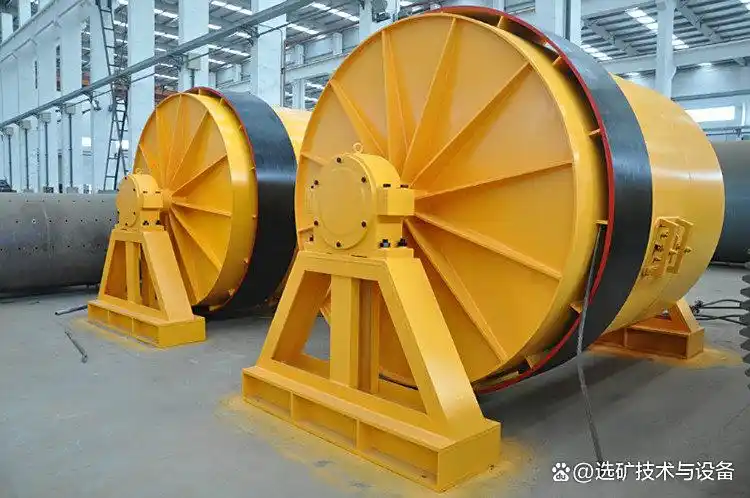
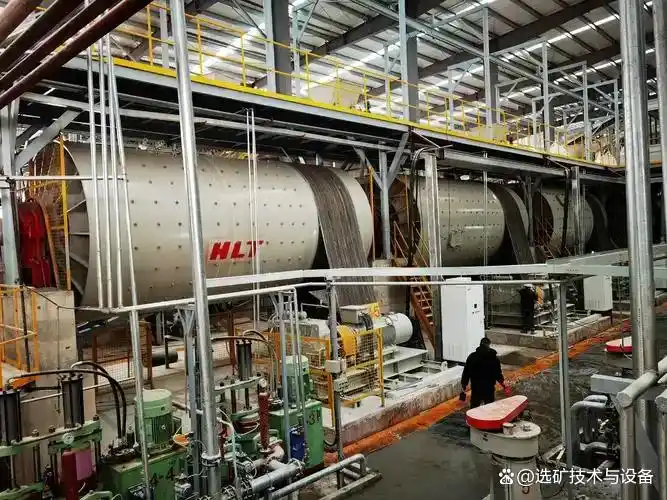
The structure of the intermittent ceramic porcelain grinding machine is closely structured around its two characteristics of “porcelain” and “intermediate”, the main components of which are:
That's the most iconic part. High-performance industrial ceramics, such as high-aluminium oxide ceramics (e. G. 92 china, 95 china), thallite ceramics and carbide silicon ceramics, are commonly used. These materials have a very high degree of hardness, excellent millability, excellent corrosive resistance (acid resistance, alkali resistance) and absolute metal-free pollution properties, which guarantee the purity of the grinding material。
Porcelain ball: matches the plate material and is also made of various ceramic materials. The specifications (size ratio) of the grinding ball directly affect the efficiency and quality of grinding. The ball is usually mixed by a percentage of the size of the ball, which is primarily responsible for breaking the shock, while the small ball is responsible for fine grinding。
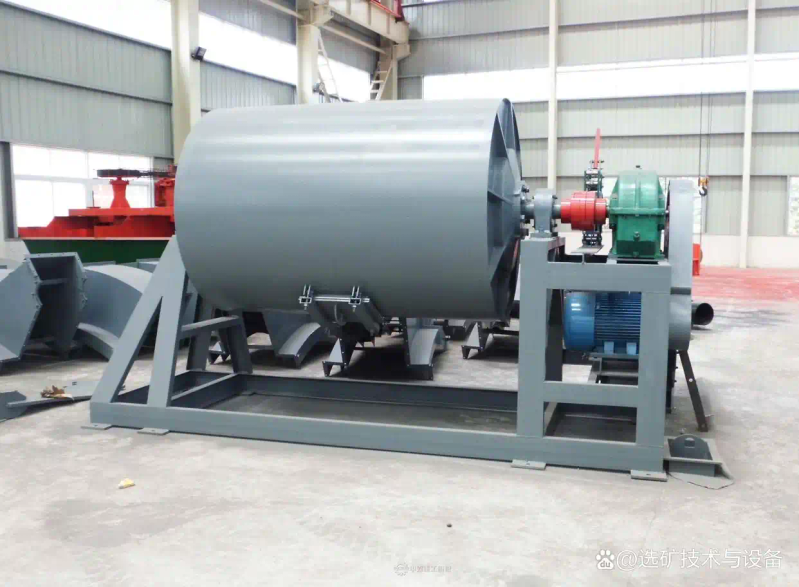
Rotation systems: includes main generators, brakes, moving gears (or belt wheels) and main axes. It provides smooth and modifiable rotation power to the cartridge. The application of a variable frequency generator can easily regulate the turn of the cylinder, thus optimizing the exercise of the grinding ball (cascading falls, cataracting falls or centrifuging centrifugation)。
(b) a strong steel rack to support the entire rotation. There are usually two forms of support: a tow wheel (the cylinder is supported by two pairs of wheels) and an axle bearing (both ends of the cartridge are supported by a large scroll bearing). The latter operate more smoothly, with lower energy consumption and less noise, and have become the mainstream。
Incoming/output devices: the feed entrance is usually designed with a seal to prevent leakage. The material is produced in a variety of ways
Aerodynamic retrenching material: the end cap of the tube can be opened with a pneumatic device to pour out the slurry。
Scanning: the source end is covered with a scaffold that automatically blocks the grinding medium in the drums when the material is rotated。
Vacuum absorbents: for special slurry, vacuum pumps can be used to extract the material。
A summary of the characteristics of the intermittent ceramic ball grinder:
Non-pollution: ceramic materials ensure that materials are not contaminated with metal ion throughout the grinding process, which is essential for high-performance ceramics, electronic ceramics, paints, high-grade ions, etc。
Corrosion resistance: corrosive materials, such as acidic and alkaline, can be developed and are widely used。
Easy to wash refuelling: intermittent operations make it easier to wash when changing the variety of materials and avoid cross-contaminated materials from different batches。
Processability: each batch can independently control parameters such as grinding time, rotation speed, spherical ratio, and can easily be optimized and duplicated, especially for multiple varieties, small batch production or experimental research。
The structure is relatively simple, with lower investment costs (as compared to large, continuous ball grinding systems)。
Iii. Major applications of intermittent ceramic ball grinders
The intermittent ceramic ball grinder applications cover almost all areas with high requirements for powder purity and detail:
Traditional ceramics: ceramics, grinding and mixing are its most traditional and extensive applications。
High-tech ceramics: material preparation for structural ceramics and functional ceramics such as aluminium oxide, zirconium oxide, silicon nitrogen oxide, silicon carbide, etc。
Electronic materials: fine grinding of electro-voltage ceramics, ceramic capacitors media, magnetic materials (iron oxygen), electron slurry (conductor slurry, electrical resistance slurry, medium slurry)。
Paints and dyes: high-quality inorganic paints, dispersion and grinding of paint plasters, ensuring that the colour is pure。
Mining and metallurgical: deep-processed purity of high-purity non-metallic mines (e. G., alpine soil, stone, long stone)。
New materials and scientific research: laboratory development and chinese trial production of nanomaterials, composites, lithium batteries, negative polar materials, rare earth function materials, etc。
Medicines and cosmetics: super fine grinding of raw materials and cosmetics with high hygiene and purity requirements。
Iv. Advantages and limitations of intermittent ceramic ball grinders
Intermediate ceramic ball grinder advantage:
Quality assurance: the non-metal-contaminated properties are the unmatched core advantages of other materials。
High flexibility: easy to adjust formulations and processes to multiple varieties and small batch production。
Simple operation: equipment is not complex and easy to operate and maintain。
Low investment: for small- and medium-scale capacity, the initial investment and operating costs are relative to the economy。
Interrupted ceramic ball grinder limitations:
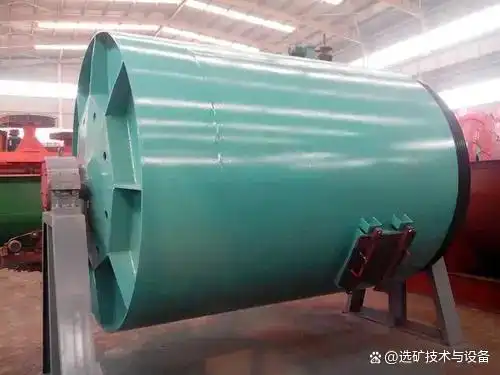
Production efficiency: the batch operating model determines that their production per unit time is lower than a continuous ball grinder and is not suitable for a single variety of very large-scale continuous production。
(b) frequent start-up and flight processes can result in higher energy consumption per unit product than a continuous device。
Level of automation: loading, unloading and cleaning often require more manual intervention and full automation is difficult to integrate。
Cracking of ceramics: although the porcelain lining and grinding balls are high, they are less resilient to shocks than metals, and impropriety (e. G., grinding or loading large pieces of hard matter) can lead to damage。
V. Interrupted ceramic ball grinder operation, maintenance and attention
I've been working on the intermittent ceramic grinding machine:
Reasonable material: the filling rate for materials, grinding balls and solvents is strictly controlled, with total filling capacity generally accounting for 50-65 per cent of the effective volume of the cartridge. The ball material is more optimized through experiments。
Select the right speed: the rate is usually controlled at 65-85% of the "critical rate". (c) too low the rotation speed, insufficient uplifting of the grinding ball and inefficient grinding; too high the turning speed, and the grinding ball rotates with the cylinder's centrifugation and loses impact。
Timing: depending on the size of the target particle, not the longer the better, excessive grinding may lead to increased energy consumption or a change in the nature of the material。
Make sure the feed is filtered in order to prevent grinding. Clean up the equipment thoroughly and prepare for the next batch。
Interruptive ceramic ball grinder maintenance:
The wear and tear of ceramic panels and grinding balls are regularly checked and the broken pieces are replaced in a timely manner。
Maintenance of good lubrication of transmission systems (e. G. Bearings, gears)。
Checks whether the tights are loose and ensures that the equipment is running smoothly。
When permanently disabled, the cartridge should be thoroughly cleaned and dryed。
Vi. Future trends in intermittent ceramic ball grinders
As industrial technology advances, intermittent ceramic porcelain mills continue to evolve and upgrade:
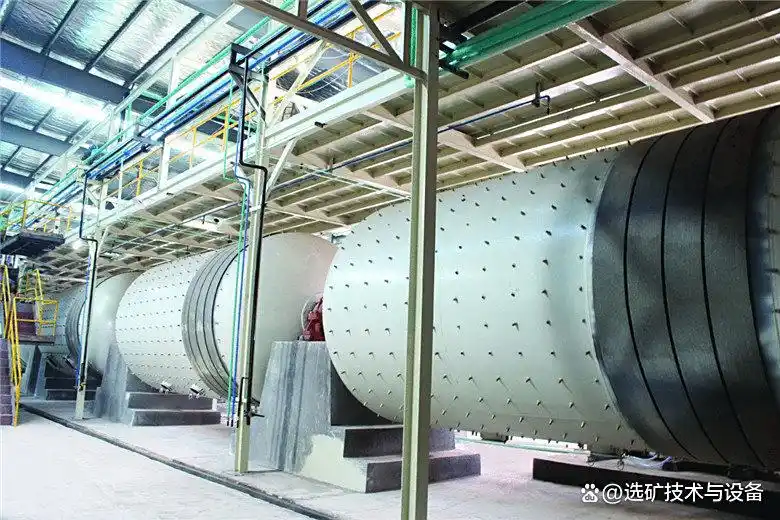
Largeness and intelligence: to boost single batch production, equipment is growing in volume. At the same time, the integration of plc and touch screen control systems to achieve automatic setting, recording and remote monitoring of parameters such as speed, time, temperature, etc., is a necessary trend to improve the consistency of automation levels and product quality。
Material innovation: develop new types of composite ceramic materials that are more resistant to grinding, more resilient and lighter in quantitative terms, such as nanooxidation-enabled ceramics, to prolong equipment life and reduce energy consumption。
Structural optimization: improvement of internal structure of the cartridge (e. G., increase of booster or graded lining), optimization of the grinding ball track to increase energy utilization and grinding efficiency。
Integration with downstream processes: associated with equipment such as high-efficiency graders, dryers and so forth, the creation of automated small-scale powder system preparation systems to meet the seamless demand for new material areas from experimental to production。
Energy efficiency and environmental protection: reduce energy consumption per unit product by introducing more efficient electrical and transmission designs. At the same time, seals are being strengthened to achieve dust-free, low-noise cleaner production。
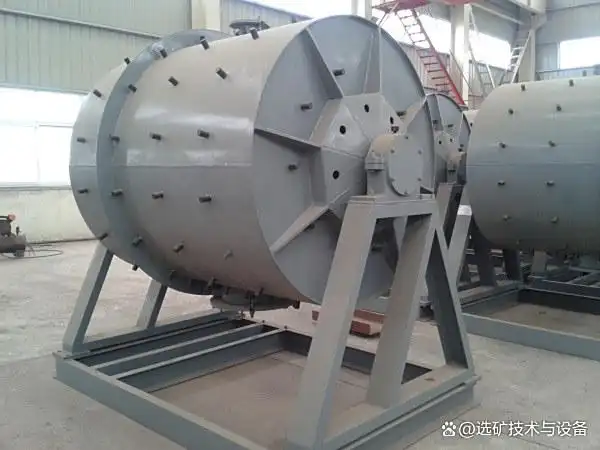
Intermittent ceramic ball mills, with their unique anti-pollution properties, excellent corrosive resistance and excellent process flexibility, have continued to thrive in the high-end manufacturing fields of modern works, materials and electronics after decades of development. It is not only a cornerstone of traditional ceramics, but also an indispensable tool in the development of new materials. Despite the challenges of continuous production patterns, its advantages in small batches, multiple varieties and high purity applications are difficult to replace. In the future, as new materials, new technologies and smart controls become more integrated, intermittent ceramic mills will continue to evolve in a more efficient, intelligent and environmentally friendly direction, continuing to provide essential support for scientific and technological progress and industrial development。