


Ball grinding is a method of grinding material, mainly through the use of the ball as an medium, using impact, squeeze and friction. During this process, the grinding ball, which is given a kinetic energy, moves at high speed in a sealed container, colliding with the material, causing it to break into smaller particles after impact, thereby achieving fine grinding。
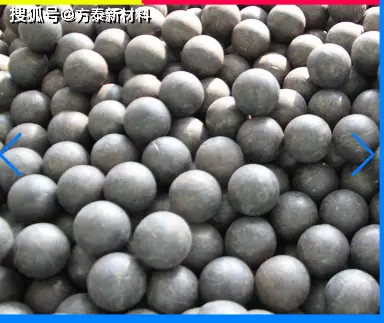
Ball grinding is mainly achieved by a ball grinder, which is widely used in a variety of industries, such as cement, silicate products, new construction materials, fire-resistant materials, fertilizers, non-ferrous metal selection and glass ceramics. Ball grinders can be divided into different types depending on demand and material characteristics, such as dry and wet grinding, and grids and spills. In addition, there are common equipment for laboratories, such as roller-ball grinders, planetary and vibrating ball grinders。
During the grinding process, it is important to select parameters such as suitable grinding material, size and filling rate, as well as control of the speed and time of the grinding machine. The selection of these parameters will have a direct impact on grinding effects, energy consumption and the service life of the equipment. Thus, optimal grinding can be achieved by optimizing the parameters of the ball grinding process。
I. Basic steps in the preparation of porcelain slurry (for example):
1 for formulations: based on the required ceramic material formulations, all raw materials, such as ceramic powder, dispersants, glues, catalysts, sinterers, etc., are evenly mixed in proportion。
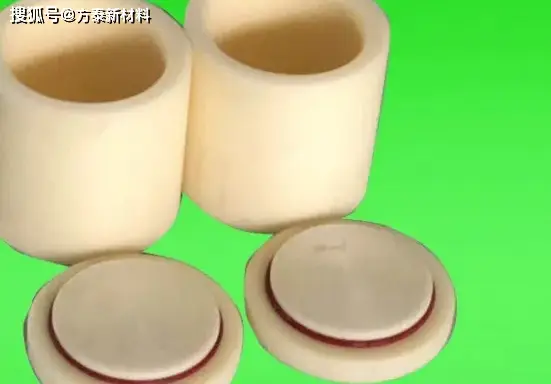
2. Add solvents and ball grinding: add mixed raw materials to the ball grinding tank and appropriate solvents. It is then placed in a planetary grinder, setting the right speed to allow the powder and solvent to be fully mixed and the ball to grind. The timing and speed of ball grinding is determined by the specific raw material and the required plasma performance。
3 plasticizers added: after a period of spherical grinding, plasticizers, such as mixtures of polyethanol and phenyldibutyric acid, can be added to the slurry to further improve its stability and mobility. When plasticizers are added, the ball grinding is repeated, so that the plasticizers are evenly distributed in the slurry。
4 the extraction and treatment of slurry: after the grinding of the ball, the slurry can be removed from the slurry grinder, with subsequent filtration, stereotyping, etc. To meet the requirements of processes such as ceramic formation or coating。
Ii. Attention during ball grinding:
1. Select the right grinding ball: the material, size and quantity of grinding ball has a significant impact on its grinding effect. In general, the hardness of the grinding ball should be slightly higher than that of the ceramic material, and the size should be based on the size of the raw material and the volume of the ball mill。
Controlling the time and speed of the ball grinding: excessive hours and excessive turn speeds of the ball grinding may lead to excessive wear of the ball and ceramic materials and generate excessive heat, thus affecting the performance of the slurry. It is therefore necessary to select the right time and speed of grinding on a case-by-case basis。
3. Periodic inspection and replacement of grinding balls: periodic inspection of wear and tear of grinding balls and timely replacement of hard-earned grinding balls in order to maintain the efficiency of grinding machines。
Iii. Impact of ball grinding on the mixing of ceramics
1. Increased mixing homogeneity: during the grinding of the ball, the high-speed rotation and impact of the grinding of the ball resulted in full mixing of ceramic powder with premix, thus increasing the mixing of ceramic platinum. This helps to eliminate the concentration gradients and division deviations in the slurry, so that ceramic particles are evenly distributed in the slurry。
2. Porcelain particles: impacts and frictions during ball grinding not only contribute to mixing but also refine ceramic particles. The fined ceramic particles are larger and more dispersed than the surface area, which helps to improve the performance and evenness of ceramics。
3. Improving plasma mobility: during ball grinding, dispersants on the surface of ceramic granules, with the impact and mixing of the grinding ball, are better able to cover the surface of particles, form a double layer and create an exclusionary effect between particles. This helps to reduce the reunification and deposition of particles and improves the mobility and stability of the slurry。
4. Improving the slurry stability: during ball grinding, dispersants in premix fluid form a double layer on the surface of ceramic particles, which helps to prevent the reunification and deposition of particles, thereby increasing the stability of the slurry. Stable slurry is easier to operate and control during subsequent processing。
5. Impact on slurry viscosity: ball grinding time has some effect on the slurry viscosity. Initially, the viscosity of the slurry may be gradually reduced as the time of the ball grinding is extended, but excessive slurry time may lead to the accumulation of heat generated by mechanical frictions, leading to convoluting and entangling of the high molecules, thereby increasing the viscosity of the slurry. Therefore, reasonable control of the ball grinding time is required in order to obtain the optimal slurry viscosity。
6. Promoting the reaction of ceramic materials: in some cases, the grinding process can also promote chemical reactions between ceramic materials. High-energy ball grinding can increase the area of exposure between reactions and improve the conditions for reaction dynamics, thereby accelerating chemical reactions。
Factors to be considered in the use of ball grinding
1. Material characteristics: first, a detailed analysis of the material to be grinded, including its physical properties of hardness, density, flaccidity, resilience, etc. These characteristics will directly influence the selection of the grinding ball during grinding, the setting of rotation speeds and the determination of the timing of grinding。
Select the right grinding ball: the material, size and filling rate of the grinding ball has an important impact on the grinding effect. In general, the hardness of the grinding ball should be slightly higher than the material to avoid excessive wear and tear. The size of the grinding ball should be selected according to the size of the material particles and the volume of the grinding machine in order to achieve optimal grinding. At the same time, the filling rate needs to be moderate, and excessive filling rates may lead to excessive collisions between grinding balls and reduce grinding efficiency。
1) ground grinding materials:
2) groundball size:
Adjusting the speed of the grinder: the rate of the grinder has a significant impact on the grinding effect. In general, proper rotations increase the frequency and efficiency of impacts between grinding balls and materials. However, excessive rotations can lead to increased collisions between grinding balls and barrel walls, resulting in excessive heat and wear. Therefore, the right speed is to be selected according to the characteristics of the material and the design of the ball grinder。
4. Control of grinding time: the length of grinding time directly affects the grinding effect. Short milling times can lead to inadequate grinding of materials, while long grinding times can waste energy and reduce equipment lifetimes. Therefore, the grinding time needs to be reasonably controlled depending on the hardness of the material, the size of the grinding ball and the rate of rotation。
Optimizing cooling and circulation systems: during grinding, heat generated by friction may lead to heat damage to materials and grinding balls. Therefore, appropriate cooling systems are needed to reduce temperature. At the same time, the circulatory system also helps to maintain the homogeneity and stability of the slurry and improves its grinding effect。



