
"it's been a long time since i couldn't eat and i looked yellow." at a community health lecture in a residential area, a middle-aged man whispered to a doctor. He thought that he was only too tired to realize the seriousness of the problem until the medical examination report had written “hepatitis b's surface antigenopositive”。

Have you ever seen fatigue and appetite as the norm of sub-health? Many people's perception of the hepatitis b virus remains in the vague impression that it can be “transmissible but not fatal” and that it can damage the liver in silence, and even progress to cirrhosis or liver cancer。
Why are so many people ignoring early signals of hepatitis b? Maybe it's because the symptoms are too "normal" — weak, disgusting, pain in the upper right abdomen... These manifestations can be easily attributed to late-night, stressful or intestinal discomfort. But it is this contempt that allows chronic hepatitis b to remain invisible for years。

Have you ever wondered why some people recover from hepatitis b infection while others develop into chronic carriers? This is closely related to the age and immunisation status at the time of infection. More than 90 per cent of infant infections occur in early childhood, and most adults become infected with the virus through their own immune system。
How does hepatitis b affect the body? It is transmitted mainly through blood, mother and child, and sexual contact, and is not as “epidemic as a meal”. What really requires vigilance is the sharing of razor blades, toothbrushes, or behaviour such as tattoos and ear piercings in irregular locations。
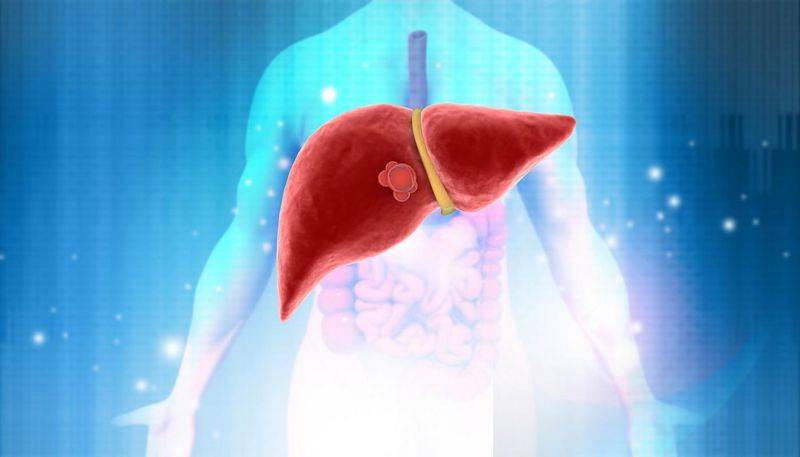
If you have never been vaccinated against hepatitis b or are not sure that the antibody level is sufficient, you may wish to undergo an examination for hepatitis b-5. This is the most basic and critical means of screening. Regular monitoring of liver function and viral loads, especially for groups with family history, is key to preventing disease deterioration。
A lot of people mistakenly think that “as long as the liver function is normal”, but not. Some chronic hepatitis b patients may suffer from persistent inflammation or fibrosis even if the aminoase is normal. This requires a combination of dna quantities of hepatitis b viruses and liver elasticity tests。
When should we start antiretroviral therapy? Not all carriers need medication. It is widely accepted in the medical community that the use of nucleotide (acid) analogues, such as ntikawe or totofwe, is considered when the virus is actively replicated, the function of the liver is abnormal, or there are clear signs of liver fibrosis。

These drugs are not “therapeutics” and their effect is to inhibit the reproduction of viruses over a long period of time and to reduce liver damage rather than to completely eliminate the virus. Once treatment begins, it often takes years or even a lifetime to take medication, and an unauthorized stoppage could lead to a virus rebound or even liver failure。
You might ask, "well, what's the point of treatment if it can't be cured?" the answer is clear - slowing down or even stopping liver cirrhosis and liver cancer. Studies have shown that standardized antiretroviral treatment reduces the risk of liver cancer by more than 50 per cent. This is the core value of chronic hepatitis b management。

In addition to drugs, lifestyles are equally important. Rehab is a point that must be emphasized. Alcohol and hepatitis b virus are like a “double blow” that greatly accelerates liver cell necrosis. Even a small amount of alcohol is a high risk for hepatitis b patients。
There is no need for excessive taboos in diet, but high fat, sugar and pickled foods should be avoided. Maintenance of balanced nutrition and adequate intake of quality proteins contribute to liver cell repair. At the same time, regularity and avoidance of lateness can reduce the liver metabolic burden。
There is concern that sports can affect the state of health and that moderate exercise, such as walking away, tai chi and swimming, can help improve metabolism and immunization. However, intense physical activity should be avoided, especially during abnormal liver function。

Hepatitis b patients are fully able to work, marry and give birth. Modern medicine has been able to reduce the infection rate of newborns to less than 1 per cent through mother-to-child interdiction techniques. The key is to monitor viral loads during pregnancy and, if necessary, to intervene on behalf of novovey in the later stages of pregnancy。
Despite a significant reduction in social discrimination against hepatitis b, hidden prejudices persist. Some have delayed treatment by concealing their condition for fear of being misunderstood. The quality of life of persons carrying hepatitis b virus is no different than that of normal people, provided that they are regularly followed up and managed by science。
Historically, hepatitis b has been called a “silent killer”. Because of its slowness and invisibility, many people did not seek medical treatment until they showed late signs such as abdominal water and vomiting. Today, the situation is changing with the spread of vaccines and advances in diagnosis and treatment。

Since the introduction of the hepatitis b vaccine in our country in 1992, the rate of infection among children has decreased significantly. This is a great victory for public health and a reminder that prevention is better than cure. Inoculation of the newborn within 24 hours is the first line of defence against mother-to-child transmission。
Adult supplementation is equally important. If you have not been infected or vaccinated, it is recommended that you complete the full course of immunization as soon as possible. Even when antibodies are available, drops after a number of years can enhance a needle as recommended by a doctor。
The superstitious belief that “hepatic medicine” can reverse hepatitis b is an error. There are no drugs that can directly remove the surface antigens of hepatitis b. The so-called “turning miracle”, mostly natural immunization, has little to do with drugs. Blindly taking health care products of unknown composition may increase the liver burden。
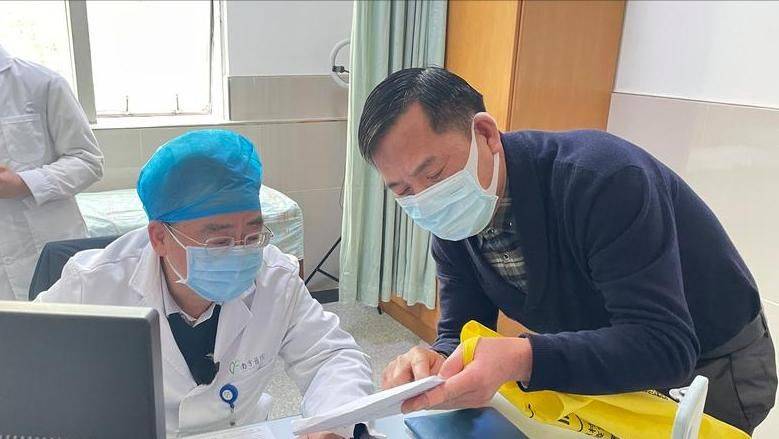
Real liver protection lies in the control of viruses, avoidance of damage and regular monitoring. Every 6-12 months, hepatic function, hepatitis b, viral dna and liver b super is a “health imperative” for chronic hepatitis b patients。
You might think, "i look healthy. Why do i have to?" however, the liver is a “mute organ” and even if 70 per cent is damaged, there may be no visible symptoms. It is often too late to wait for yellow stings, abdomen and wasting。
It is gratifying to note that, with the advancement of the national policy for the management of chronic diseases, hepatitis b has been included in special multi-hospital diseases, prices of antiretroviral drugs have fallen significantly and health coverage has increased. This provides strong guarantees for long-term treatment。

From the individual to the community, we're building a more sophisticated hepatitis b network. And all you can do is face it, understand it, deal with it in science. Early screening, early diagnosis and early treatment are the golden laws that protect liver health。
Stop using fatigue as a legitimate reminder of the weak alarms of the body. A simple blood pump could be a crucial step in changing fate。
Healthy liver is the basis of your life. Don't let the silent virus steal your future vitality and hope。