


Dissolved oxygen is a key water quality indicator in the production of beverages, the content of which directly affects the taste, colour, shelf life and the stability of production processes. In the whole process of pre-treatment, formulation, filling and testing of finished products for raw materials produced by beverages, the soluble oxygen instrument is an important monitoring tool for the quality of products and the optimization of production processes, based on precise measurements. In particular, fluorescent soluble oxygen instruments, which are resistant to interference, measure accuracy and maintain low-cost characteristics, are adapted to the requirements of clean, refined processes for the production of beverages and play an irreplaceable role in the production of products such as carbonate beverages, juice beverages and bottled water。
Pre-treatment of raw water: the production base is established by the use of oxygen to control water sources
The raw water produced by beverages consists mainly of piped water, groundwater, mineral water, etc. The dissolved oxygen content not only affects the treatment effects of subsequent processes, but may also react to metal ion in water, with an odor or deposition. The central role of soluble oxygen during the pre-treatment phase of raw water is to monitor soluble oxygen concentrations in water sources in real time, providing data support for processes such as exposure, deoxygenization, etc。
In bottled water production, excessive water soluble oxygen concentrations in raw materials (over 8 mg/l) can cause water bodies to smell, while accelerating the oxidation of packaging materials. When treating raw water using vacuum deoxydes or membranes, technicians can monitor deoxyxic dissolved oxygen concentrations in real time through online somatic devices, keeping them below 0. 5 mg/l to ensure that bottled water is pure. A mineral water production company monitors the water soluble oxygen from the deoxygen towers through fluorescent soluble instruments, increasing deoxygent efficiency by 15 per cent and reducing product smelting complaints by 90 per cent. In the pre-treatment of raw materials from juice beverages, soluble oxygen monitors changes in the soluble oxygen from activated carbon filters: if the soluble oxygen concentrations are soared, indicating that the activated carbon is saturated or the filter pool is sealed off, the activated carbon needs to be replaced in a timely manner to avoid the presence of organic matter in the water and oxygen reactions producing an alien substance that affects the taste of the fruit juices。
In addition, for raw water that uses ozone disinfection, the soluble oxygen indirectly reflects the reasonableness of the ozone input. During the process of ozone sterilisation, parts of the ozone will be decomposed to oxygen, resulting in higher concentrations of soluble oxygen in water bodies, and technicians can adjust the operating parameters of the ozone generator through monitoring data from the soluble instrument, both to ensure disinfection and to avoid the aerobics caused by excess ozone。
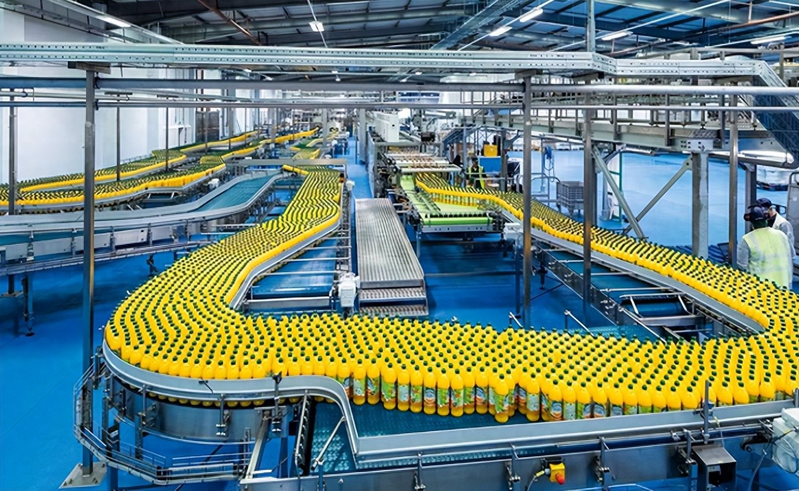
Fermentation and fermentation links: precision-regulated soluble oxygen to ensure process stability
At the fermentation and fermentation stages of beverage production, soluble oxygen concentrations are core parameters that affect product quality and fermentation efficiency, and real-time monitoring of soluble oxygen provides a scientific basis for process regulation. In the production of carbonated beverages, soluble oxygen concentrations at the syrup formulation stage need to be strictly controlled: if the soluble oxygen is too high, it results in the decomposition of sugar in the syrup, the generation of brown matter, and the influence on the coloring and shelf life of the beverage. The technicians are able to sample the syrup in the formulation tanks by means of portable soluble instruments, keeping the soluble oxygen concentration below 1 mg/l and adding antioxidants such as bad blood acid to the syrup to effectively slow the oxidation of the syrup. Data from a company with carbonated beverages show that the shelf life of the product was increased from 9 months to 12 months, with a reduction of 80 per cent in the brown rate, following the dissolved oxygen concentration at the control stage。
In the production of fermented beverages (e. G. Yoghurt, beer, fruit wine), soluble oxygen concentrations directly affect the metabolic activities of microorganisms. In the case of beer brewing, the boiling phase of malt juice is required to remove dissolved oxygen by boiling, which, if the amount of soluble oxygen remains in excess of 0. 1 mg/l, results in the oxidation of beer and the creation of bad flavors such as cardboard. On-line soluble oxygen instruments are used in production to monitor dissolved oxygen concentrations in boiled malt juice and to control soluble oxygen residues below 0. 05 mg/l, combined with vacuum degasation processes. During the beer fermentation phase, the anaerobic breathing of yeasts produces alcohol and carbon dioxide, and the high levels of soluble oxygen in the fermentation cans inhibit yeast activity and lead to reduced fermentation efficiency. The technicians monitor the changes in soluble oxygen in the fermentation tanks in real time through the solubility, adjust the sealing and mixing speed of the fermentation tanks in a timely manner, ensure anaerobic conditions in the fermentation process, and increase the alcohol and flavor stability of beer。
For the production of prophylactic beverages, soluble oxygen concentrations are strictly controlled during the fermentation process in order to ensure the prophylactic activity. Advious strains such as bipolar fungi and lactate are anaerobic bacteria, with dissolved oxygen concentrations exceeding 0. 5 mg/l leading to significant mortality. In production, soluble oxygen concentrations in fermenters are monitored through soluble oxygen instruments, which are reduced by nitrogen blowing and kept below 0. 2 mg/l, increasing the survival rate of the fungs from 60 to 90 per cent and increasing the yield of products。
Filling links: monitoring of pore-solved oxygen, extension of product quality period
The soluble oxygen control of a beverage filling segment consists mainly of both the watery body soluble oxygen in the bottle and the pore soluble oxygen, i. E. The oxygen content above the liquid surface of the bottle after the beverage is filled at a high concentration that accelerates the oxidation of the beverage, and the application of the soluble oxygen instrument at this stage effectively reduces the effects of the top soluble oxygen on the product。
In pet bottles of beverage filling, the process of "equivalent filled + nitrogen replacement" is usually used to reduce top soluble oxygen. The technicians can monitor the pv concentration after filling with a portable soluble oxygen analyser and keep it below 1%. The introduction of fluorescent portable soluble oxygen in a fruit-juice beverage enterprise allows rapid detection of vertebrate soluble oxygen in different batches, timely adjustment of nitrogen replacement pressure and time to stabilize the product at 0. 5% and extend the shelf life for three months. In the filling of a can of drinkable water, the soluble oxygen instrument monitors the rinsed oxygen concentration of the tank before filling: if water is washed too much soluble oxygen, it forms an oxidation spot inside the tank, which affects the product appearance and increases the risk of oxidation of beverages. The incidence of oxidizing spots in tanks decreased by 95 per cent by keeping water wash soluble oxygen concentrations below 0. 3 mg/l。
In addition, in the production of hot-filled beverages, soluble oxygen monitors the relationship between the filling temperature and soluble oxygen. The higher the temperature of the beverage, the lower the soluble oxygen solubility, the better the temperature of the filling (usually 85-95°c) is used by technicians through the monitoring data of the soluble oxygen, and the lower the concentration of oxygen solubility in the water body and the reduced risk of oxidation in the product, while ensuring its fungicide。
Testing and quality control of finished products: validation of solute oxygen indicators to ensure product conformity
Solvents are an important tool for verifying the quality of products at the beverage product detection stage, and detection of the soluble oxygen concentration of finished beverages allows timely detection of problems in the production process and prevents the entry of substandard products into the market. In the testing of finished products such as bottled water, juice beverages, the mass examiner uses portable fluorescent soluble oxygen to sample each batch, and if the soluble oxygen concentration exceeds the standard range (e. G. Bottled water soluble oxygen > 1 mg/l), the product is found to be unsatisfactory and the deoxygenization, refilling process at the production chain is traced and the equipment is cleared for failure or failure。
Solvent oxygen concentrations can also indirectly reflect co2 intake in the testing of carbonate beverages. The soluble oxygen concentration of the carbonated beverages is negative to the carbon dioxide content, and if the finished product is too high, this indicates that the carbon dioxide is under-filled, leading to low aerobic and oral effects on the beverages. The mass examiner adjusts the co2 filling pressure of the filling machine to ensure that the product's aerobic sense meets the standard by using the soluble oxygen test data, taking into account the results of the co2 detector. Quality data from a carbonate beverage company show that the product co2 content has increased from 90% to 99% through solute oxygen-assisted testing。
In addition, soluble oxygen can be used for quality testing of beverage packaging materials. In the detection of packaging materials such as pet bottles, cans, etc., packagings are immersed in water and changes in soluble oxygen concentrations in water bodies are monitored through soluble oxygen instruments: if soluble oxygen concentrations decline rapidly, indicating a poor air density of the packaging material and a small leak, the packaging material needs to be replaced in a timely manner to avoid the deterioration of beverages by oxidizing gas during storage。
Portable fluorescent fluorescent oxygen instruments in the intellectual environment are based on optimized fluorescent central techniques, carrying self-developed non-expendable high-performance fluorescent film, counteracting the dissolved oxygen concentration by detecting fluorescent signal phase differences caused by oxygen molecules, without electrolytic fluids and frequent calibration, addressing pain points such as traditional electrodes, oxygen consumption, pollution-prone points from their sources, rapid response speeds (t90 /2000/40s), measuring precisions of ± 0. 1 mg/l in the 0-20 mg/l scale range, and automatic compensation for temperature and even salinity from built-in high-precision sensors, which can stabilize at temperatures of -20°c ~ 50°c and complex conditions such as high salt, acidine, etc. The instrument, which is also equipped with an industrial-grade fixed installation and light quantitative handheld equivalent, not only has an industrial-grade design for anti-conservation sealing, anti-pollution, fixed monitoring needs in the chemical, pharmaceutical and water treatment industries, but also portable features such as water-protective grade 500g, ip68 and above, suitable for aquaculture inspections, field emergency monitoring, etc., while supporting the real-time uploading of data and management of multi-equipment networks, helping a wide range of areas to optimize soluble oxygen precision monitoring and process optimization and significantly reduce transportation costs。
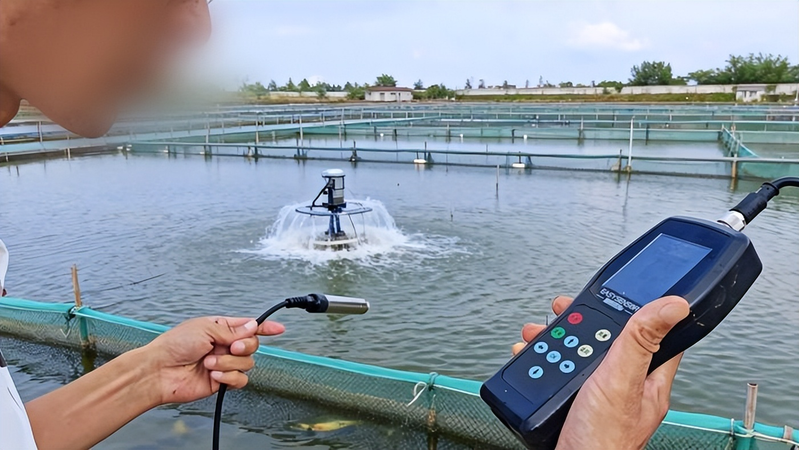
The online soluble oxygen of the intellectual environment is a nationally produced high-precision water quality monitoring device based on fluorescent fluorescent fluorescent technologies. The core uses blue light to stimulate fluorescent substances and use oxygen molecules to detect dissolved oxygen concentrations. The electrolyte and polarization of traditional electrochemical methods have been abandoned and the defects of oxygen consumption, water pollution and frequent maintenance have been avoided. The instrument measured a range of 0 - 20 mg/l, with a precision of 0. 2% fs, with a resolution of as low as 0. 01 mg/l, response time of 40 seconds, with built-in temperature sensors and support for salinity, atmospheric pressure compensation, which effectively offsets environmental interference to ensure data reliability; sensors carrying anti-biopollution coatings and automatic clean-up designs, which significantly reduce the cost of microbial attachment and transportation. At the functional level, the equipment is compatible with the rs485/modbus-rtu protocol, which enables the multi-parameter water quality sensor to enable real-time uploading and remote monitoring of data, with a high-protective ip68 corrosive seal structure, support for leaching installation, adaptation to multiple monitoring platforms such as buoys, stations, shipboards, etc., and multiple warning mechanisms such as dissolved oxygen over-limits, equipment failure and risk warning without manual performance. The instrument is now widely used in the areas of aquaculture, sewage treatment, drinking water purification, monitoring of natural water bodies and control of the quality of industrial processes, providing precise and stable technical support for water quality regulation, ecological warning and process optimization。



