Thermal interface materials (teim) are essential for the development of thermal electric generators (tegs), and ordinary teims are usually made of pure metals or binary alloys, but there are problems of poor performance stability, and traditional teim choices are usually based on trial error experiments。
Here, the harbin industrial university, among others, has developed a picture based on density pan-communication theory calculations (dft) to predict the teim screening strategy, which breaks down bottlenecks in the advancement of thermal power generation and ultimately reduces energy costs and emissions. Specifically, by combining phase maps with the melting point of electrical resistance and potential reaction products, the author found that the semi-metal mgcusb was a reliable teim of high performance mgagsb, showing low interface exposure even 16 days after mgcusb/mgagsb retreat from fire in kelvin (old c)
The article is published on science under the title “screening strategy for developing other sources”。
Research background
Thermal electric generators are solid equipment for the direct conversion of heat into electricity and are valuable for generating electricity and reusing other released heat applications. An illustrative example is the radioisotope thermal electric generator, which has powered the traveler detector in outer space for more than 40 years. However, their use in thermoelectric generators is hampered by the lack of solid materials that form the interface between electrodes and thermoelectric materials in the units。
Thermal electric generators usually operate under harsh heat and mechanical conditions, including greater temperature gradients, heat stress and mechanical fatigue. In addition to thermal and electrical properties inherent in the material, the interface between thermal and electrodes has a considerable impact on the output performance and long-term stability of the device. In the course of operation, atomic proliferation and chemical reactions at the interface can lead to the instability and degradation of the apparatus, especially at high temperatures. In order to offset these adverse effects, an efficient and stable atomic proliferation barrier, known as thermal electrical interface (teim), must be added. Teim's traditional selection criteria revolve around matching thermal expansion to achieve mechanical robustness and alignment functions to achieve low exposure resistance, but traditionally candidate materials are identified through repeated testing and rely on intuition and experience. This process is time-consuming and expensive. Recently, a similar phase-based method was applied to thermal electrical material gete. The module received, using nige as the gete interface, achieved record efficiency of 12 per cent with a temperature differential of 545 k. However, the universal application and validation process of this paper has made the selection of interface materials a significant development in this area。
Content of research
In order to address this challenge, this paper adopts an integrated approach, using multi-assembly symmetrical maps of target thermal electrical materials and selected metals, based on the density generic correspondence theory (dft) calculations, to check the thermodynamic balance in multi-assembly subsystems and to provide valuable information for selecting teim on the basis of balanced chemical reactions. The author calculates these profiles using the widely used open quantum material database (dft calculated resources for thermal and structural properties of more than 10,000 materials)。
For mgagsb, which is a high-performance thermal electrical material usually operating below 573 k, a four-dollar m-mg-ag-sb picture has been created in which m represents selected metal elements. These maps help to screen potential teims that show a stable balance with mgagsb. Mgcusb was identified, synthesized and displayed, indicating that its thermal expansion and power functions were very consistent with mgagsb. The boundary between mgagsb and mgcusb shows a limited proliferation of atoms, indicating their effective adhesiveness. It is noteworthy that, in the retreating mgagsb/mgcusb knot, mgcusb showed excellent measurements of thermal stability under the difficulty of a current crossing of less than 1 μm/cm2. The use of the mgcusb and mgagsb modules showed 9. 25 per cent heat-to-electrical conversion efficiency at a temperature differential of 300 k. These results were confirmed through international recycling tests in three laboratories in three countries. In addition, the author successfully extended the teim screening strategy to other thermal electrical materials, including bi0. 5sb1. 5te3, znsb, cosb3 and zrcosb。
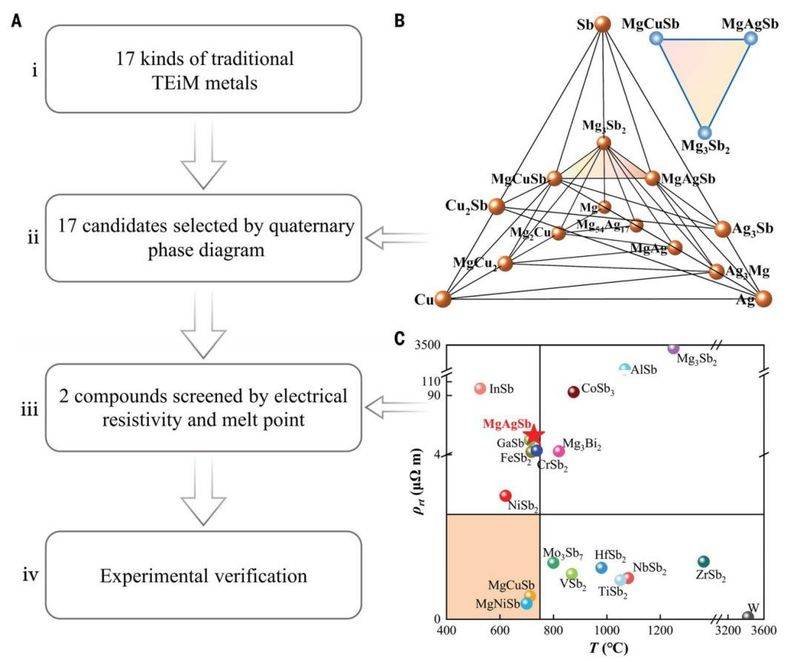
Figure 1. Screening strategy for stable thermal interface materials
Given that the hot side of the teg usually works at high temperatures, the heat resistance of the most vulnerable teim/te material at the end is an important criterion for evaluating the stability of the tei device. In addition, while ag is often used as a teim for mgagsb, only a few people have studied the stability of the te module at 500 k. As a result, in a vacuum of 553 k, ag/mgagsb and mgcusb/mgagsb retreated for hours and days to systematically study the evolution of interface structures and resistance rates。
The results show that in backscatter electronic (bse) images and eds-line scans, the chemical diffusion interface that sets off ag/mgagsb can be ignored (figure 3a). However, 12 hours after the 553 k retreat, the initial interface gradually grew into a rich ag and missing sb zone in the magagsb matrix near the interface. The ag/mgagsb interface creates a distinctly rich ag deformation and cracks. The composition analysis indicates that the transformation phase near the interface is mainly ag3sb. On the contrary, deformations and/or cracks were not detected even after 16 days of fire retreating under 553 k, except for a proliferation layer of about 20 mm at the end of the magcusb/mgagsb (figure 3b)。
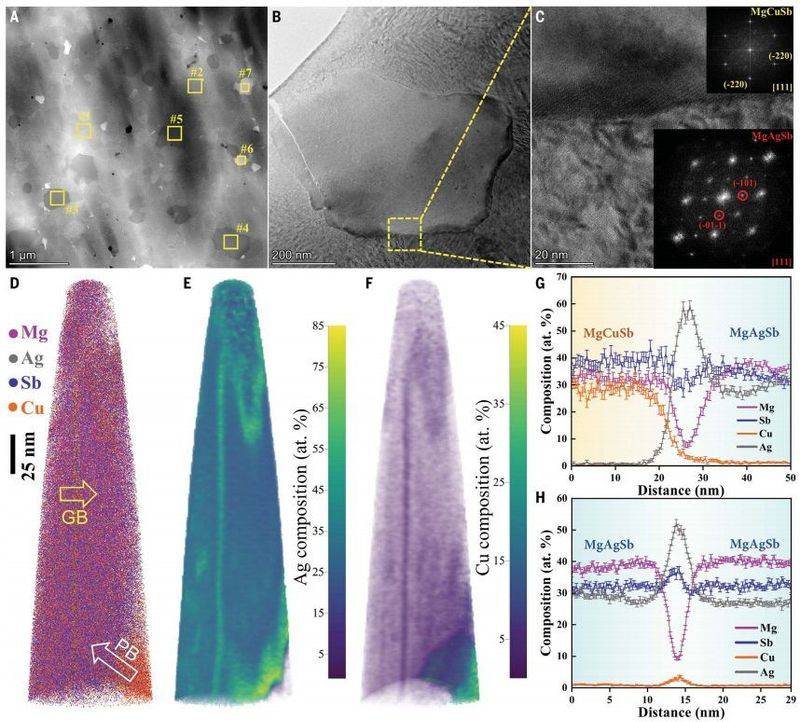
Figure 2. Microorganization analysis of mgagsb/mgcusb composites
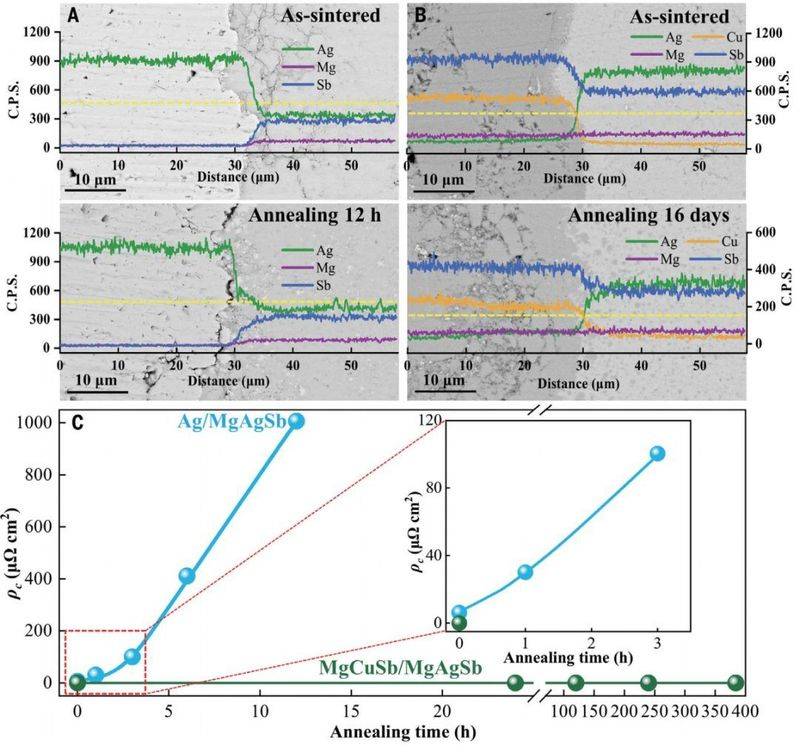
Figure 3. Changes in interface microstructure and interface exposure resistance parameters
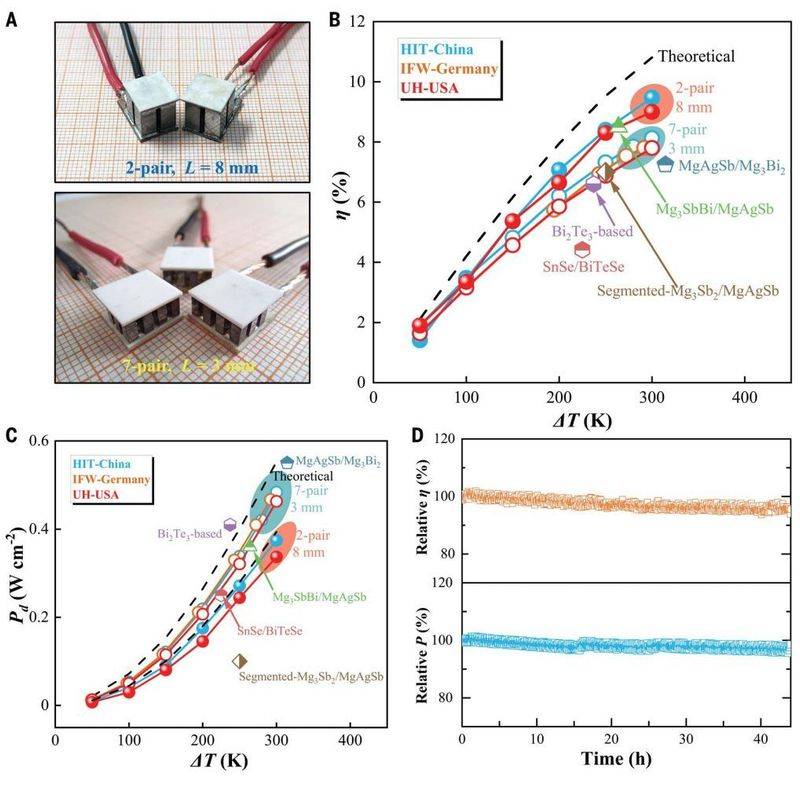
Figure 4. Power generation performance and stability of mgagsb/mg3. 2bi 1. 5sb0. 5 te modules
To illustrate the general applicability of the teim screening mechanism in other tes, the authors have selected several representative materials ranging from low to high temperatures, such as bi2te3, znsb, cosb3 and zrcosb. These selected elements show a stable balance with the corresponding te materials, according to the calculations, without creating any possible second phase. For the conclusion of these prepared nite2/bi00. 5sb1. 5te3 (figure 5a), tisb2/znsb (figure 5b), coal/cosb3 (figure 5c) and coal/zrcosb (figure 5d), we observe that electrical resistance is negligible and negligible. In addition, seven days after the fire retreated at sites 473, 623, 823 and 923 k, respectively, there were no secondary signs around the interface and the corresponding electrical resistance rates remained unchanged. Thus, the general applicability of the approach proposed in this paper has been confirmed, allowing the identification of suitable teims with high stability。
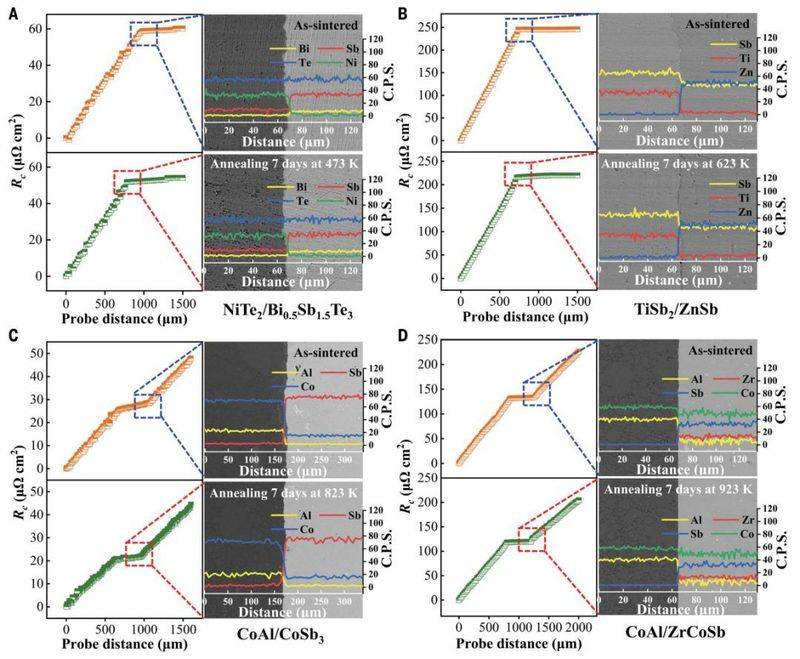
Figure 5. Interfacing resistance and microstructure evolution of teim/te
Picture calculations are tools widely used in traditional metallurgical and ceramics to predict the stability of compounds and guide synthesis conditions. When combined with dft calculations, the multifunctionality and accessibility of the technology facilitates the design of new high performance functional materials such as teim, high americium and hydrogen storage materials. Nevertheless, it would be prudent to recognize some inherent limitations in the dft approach, which may affect the calculation results. For example, it has performed poorly in dealing with weak interactions (e. G. Van der waals) and strong related systems (e. G., transition metal catalysts and systems containing local electronics). In addition, calculating the phase at a limited temperature may be difficult and some high temperature stabilization phase may be overlooked. As equipment manufacturing technologies progress, the widespread use of commercial thermal generators will become increasingly feasible。
Based on the above, this paper proposes an effective teim screening strategy to identify suitable products by using photogrammetry. Through this combination strategy, mgcusb was identified as a reliable teim for the emerging mgagsb material. Mgcusb/mgagsb shows low exposure resistance, in stark contrast to ag/mgagsb, whose exposure resistance was ~1,000 μm/cm2 12 hours after 553 k returned fire. As a result, the mgagsb/ mg3. 2bi1. 5sb0. 5 module, consisting of mgcusb, demonstrated ~9. 25% high conversion efficiency at 300 k temperature differentials, as confirmed by international circular tests of the performance of multiple laboratory modules. In addition, this teim screening strategy has several representative general application of te materials, and the strategy provides a universally applicable way to break through bottlenecks in the development of efficient power generation technologies。
Yangjun xie, li yin, yuan yu, guyang peng, shawei song, pingjun ying, soNgting kai,
Yuxin sun, wenjing shi, hao wu, fengkai guo, wei kai, haijun wu, qian zhang,
Kornelius nielsch, zhifeng ren, zihang liu*, jiehe sui*, screening strategy for developing different types of technologies, science (2023). Https://www. Science. Org/doi/101126/science. Adg8392