After last week's talk about the triodes, a peer message said, "now fix the switch, fix the charger, it's all an effect tube. What's the difference between that tube and the triode?"
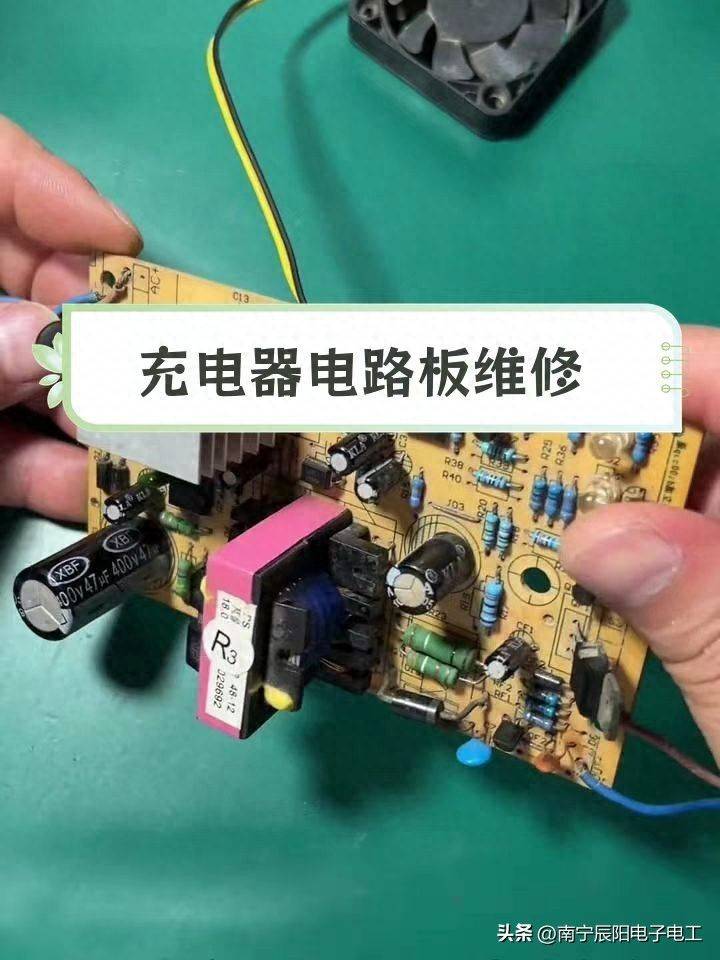
Recharging appliances
Good question. The field effect tube, an abbreviated mos tube, is the power switch that i have encountered most in day-to-day maintenance since the strong electrical circuit. The igbt of the electromagnetic furnace is his relative, the switch on the switch, and the row of stickers in the cpu section of the main plate。
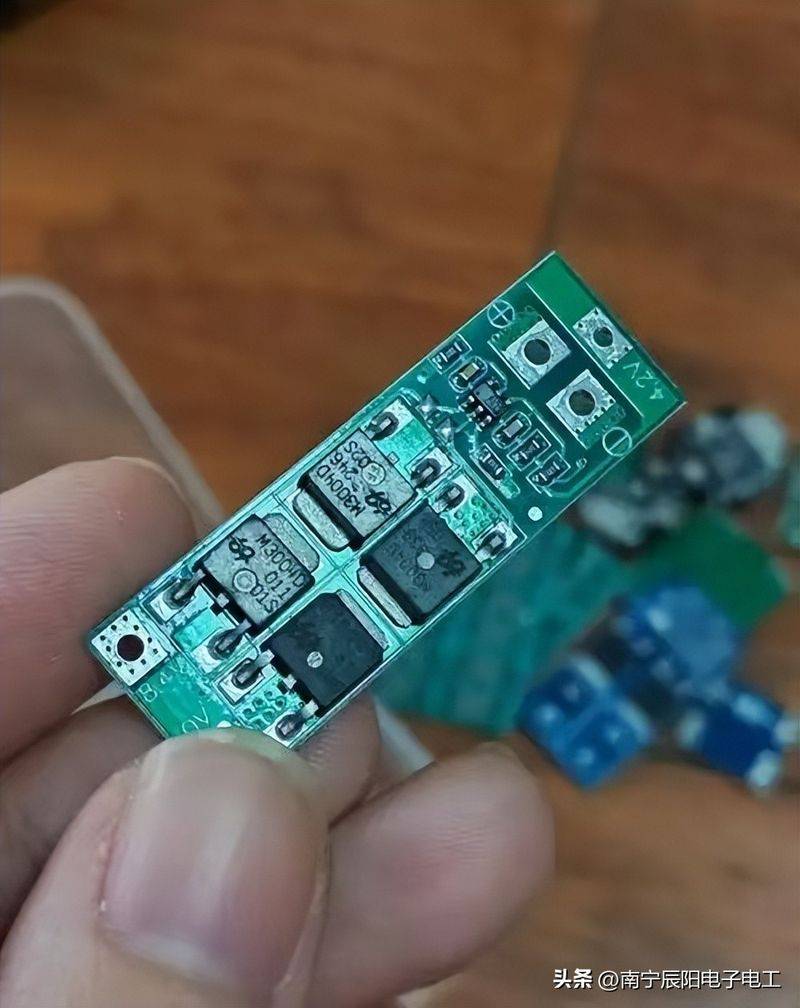
Field effect tube
Today, instead of talking about complex semiconductor physics, i'll share with you what's at the core of the field effect tube with my old electrician。
What's the field effect
Triode, i compared it to an "intermediate relay" that gave the base pole to a small current, and the condensed pole to the launch pole. It's current control。
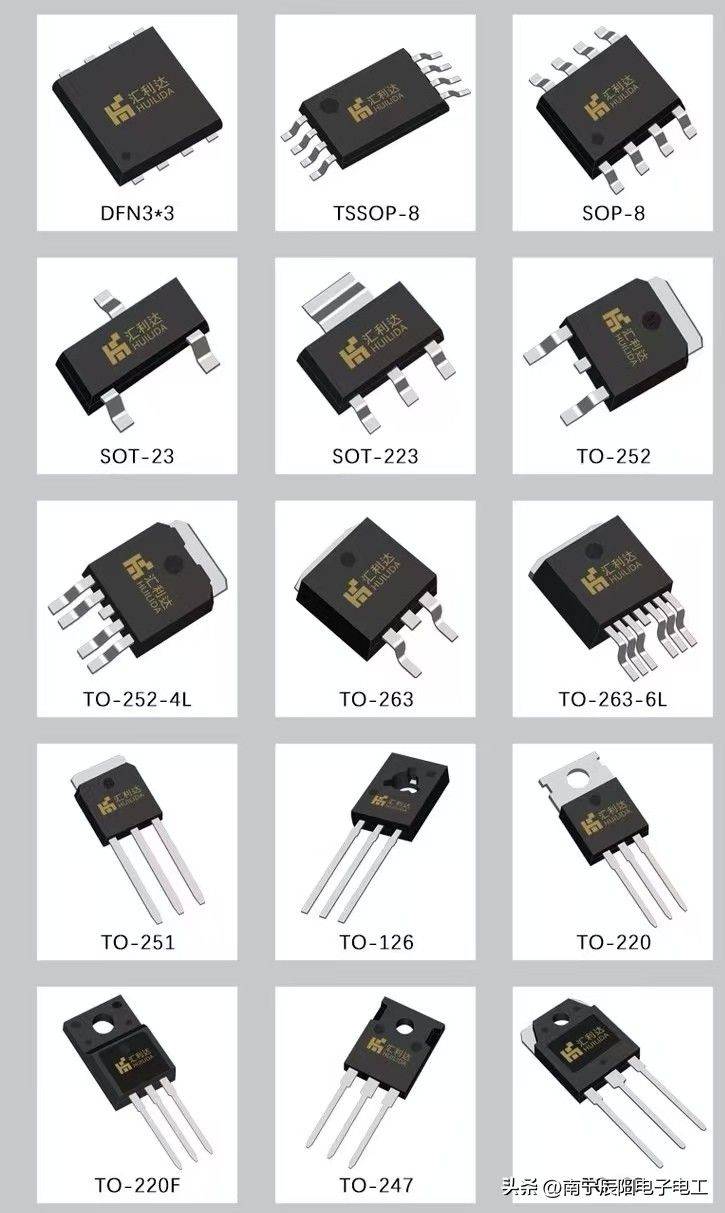
Category
The field effect tube is different. It's voltage control。
How? Imagine it as an electronic tap。
Three interfaces of the tap: the fence g is the "hand handle", the leak d is the "water entry" and the source s is the "water exit". You don't have to pour water into it, you just have to wring the handle with your hand, and the water goes from d to s。
It is almost insulated between the g and s poles and does not require currents, and a single voltage signal can control d-to-s conductivity. This is the fundamental difference between the field effect tube and the tripolar tube。
It is because it does not consume controlled currents that the field effect tubes are almost non-power-consuming and highly efficient when they switch. Modern switch power, one colour, field effect tube。
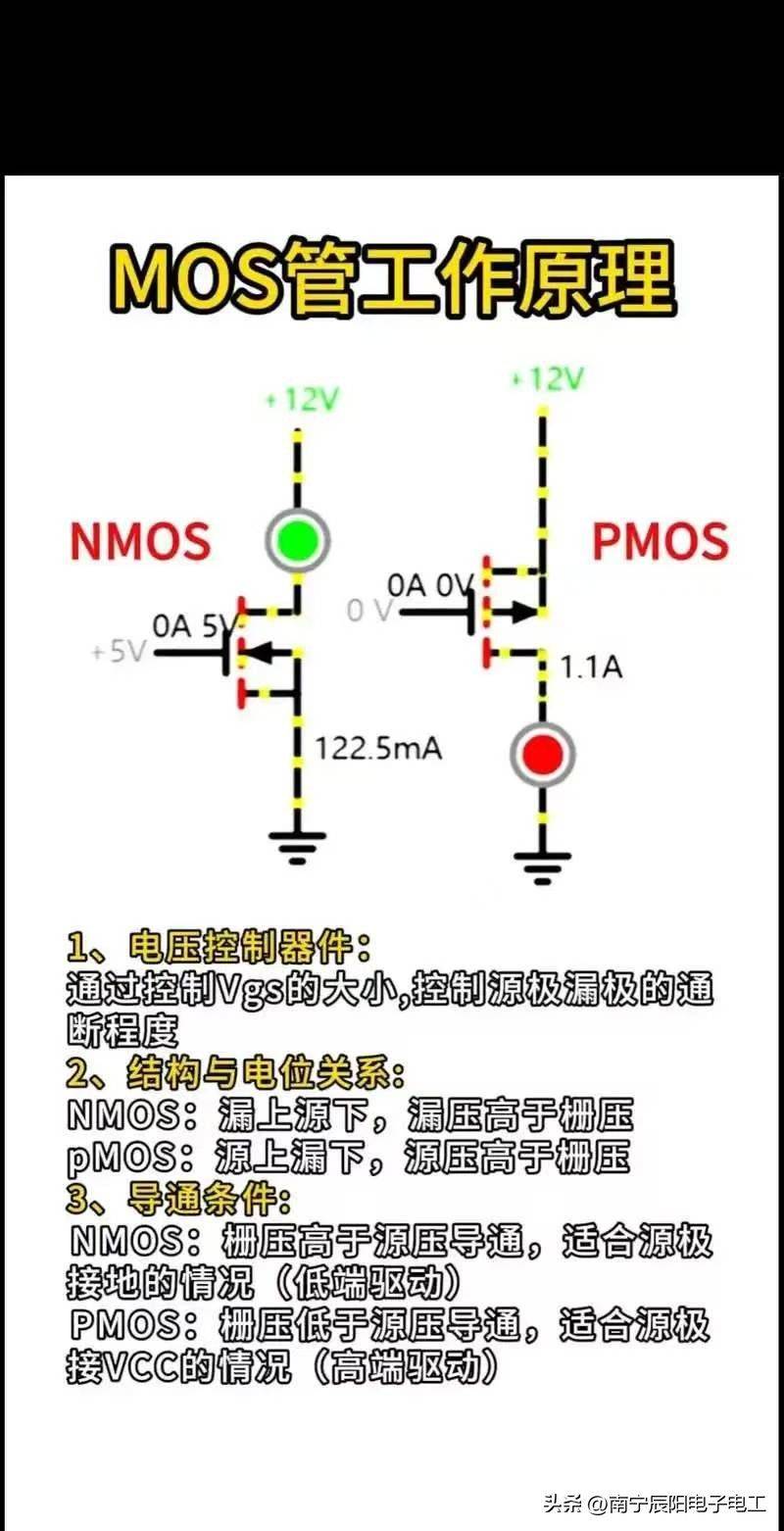
Operational: i recognize the field effect tube on the board at once
Getting a board, how do you know which one is an effect tube
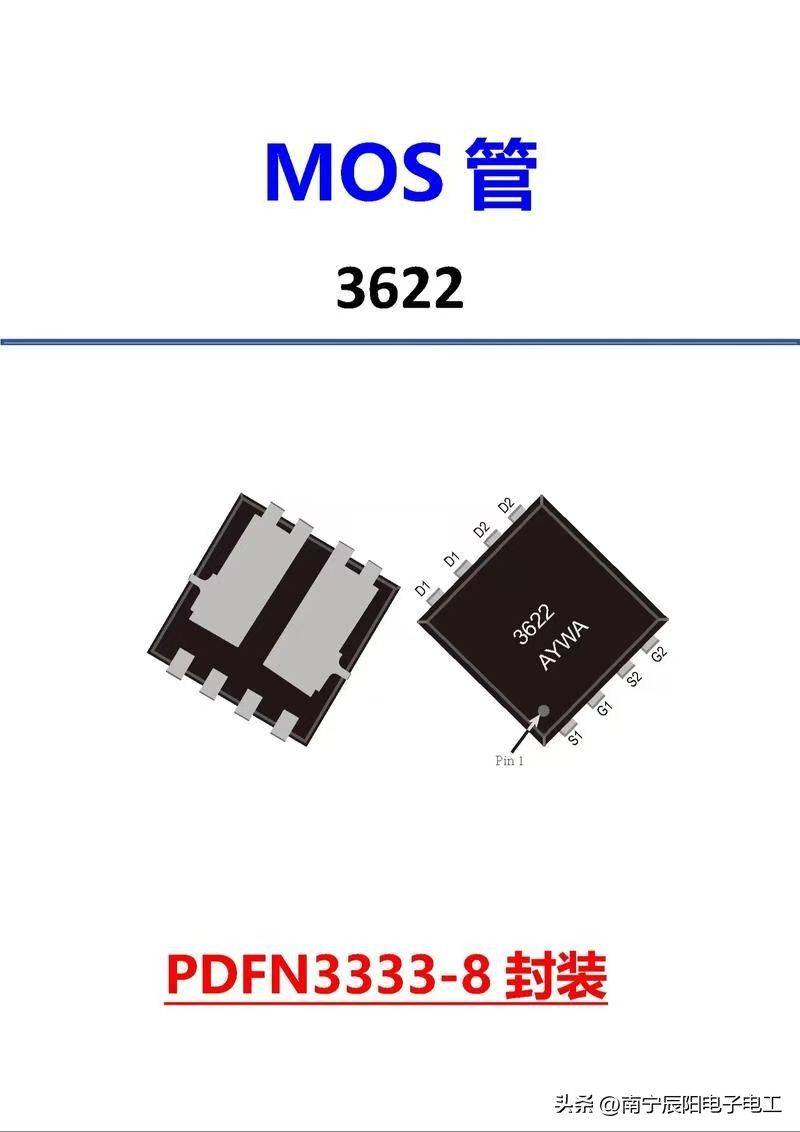
How quickly do you judge the effects of the field in the maintenance
This is the core. I summarised the three-step approach:
Step one: double-barrel stab。
Within the field effect tube, there is a parasitic diode between the d and s poles. The mos tube in the n gutter, with a black pen to d and a red pen to s, produces a diode charge (around 0. 4v to 0. 6v), which in turn does not work. So you're using a diode to measure the mos tube, and there's only one direction between d-s, and this feature is an important basis for our judgment。
Step 2: measuring whether g-s has short circuits。
This is the most common pattern of damage to the mos tube. The fence is normally insulated between the g and the source s, and electrical resistance is overwhelming. If a "drop" is found using a breakout or a blockage of g-s, or if there is a barrier, the tube is 100% punctured and replaced directly。
Step three: suspected “soft blow-through”, replaced directly。
There is a special malfunction in the mos tube called thermal blow-out, the cooling volume is normal and the electrical burn insurance is leaked as soon as the electricity is installed. This is the hardest to find. In this case, don't hesitate to find a pipe of the same type or higher voltage resistance。
I've been taught a lesson at one time
A 48v electric charger was repaired, and the failure was that the plug-in did not react and the insurance blew up。
Open it, it's all black. Insurance bombing, indicating severe short circuits. First look at four straight binary tubes, normal. And look at that big switch, 8n60. D-s, d-s, direct drop-off. Another g-d, short。
It's a typical mos tube pipe failure. But the point is: the mos pipe is blown up, and we can't just switch it on
The mos tube pierced, high-pressure large currents will immediately refill the g extreme, which is connected to the drive-out foot of the switch chip. Therefore, it is necessary to proceed to check whether the small electrical resistance between the switch chip's driver's foot and the mos tube g pole has been burned and whether the chip itself has been punctured. Finally, the current detection of electrical resistance from the s extreme to the ground, which is often burned together with the small resistance of the zero zone。
It is true that the inspection found that the g polar drive resistance has become more resistant and that the s polar current detection resistance has been burned. Everything's changed, powered, everything's fine。
If i just switch on a pipe, it'll blow up。
I've learned from the effect tube
From power to electronic circuits, i found that many of my colleagues were afraid to fix the switch, but they didn't understand the role of the field effect tube in it. Once you use the mos tube as a high-speed electronic switch for voltage control, the whole power switch works。
Triodes and field effect tubes are the watersheds in which you walk from a rookie. Eat this bone, most of the electron circuit boards have the bottom of your analysis。
That's me, an old electrician who's been working hard for over a decade, working from zero to zero. No switchboards, no logic, no electric thinking to really get you through the circuit board. Look at me. Next issue, let's talk about optics, the pv bridge that connects power with power。