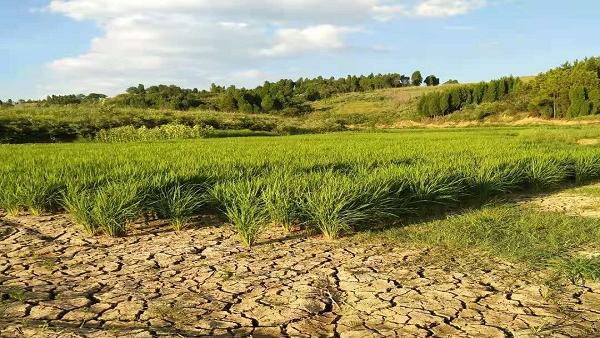
At a time when rice is being planted, this year has been a long and dry year, and some farmers have chosen to broadcast it live, and how can it achieve high productivity? The success of the drought-receiving technology depends on a combination of diverse factors, including choice of varieties, climatic conditions and field management. In the context of current climate characteristics and technical norms, the high yield that can be achieved under scientific management can be achieved through the direct broadcasting of drought, subject to the following key points:
I. Core strengths and conditions of application of drought-based live broadcasting technologies
Energy and water conservation characteristics
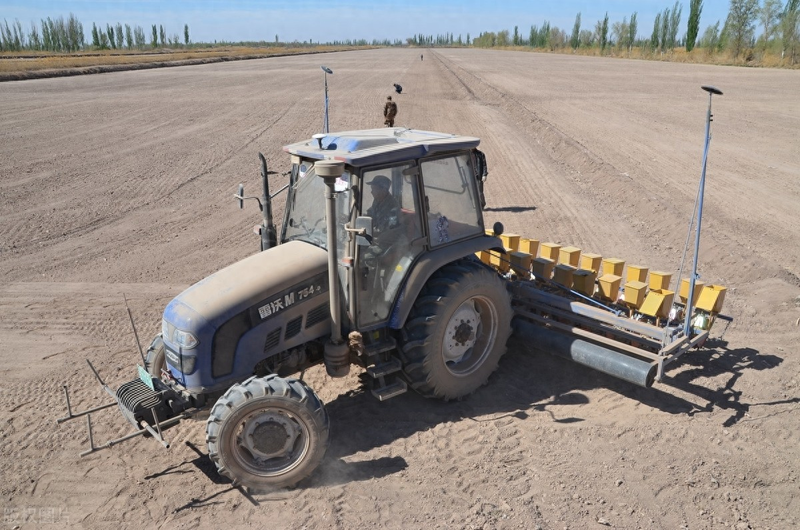
The direct planting of dry crops, free of breeding and planting, saves about 30 per cent of the labour costs. Its hydrologic management model, which is based on dry breeding during seedage, medium- and late-term irrigation or rain water, saves 500-600 cubic metres/acre from traditional water fields, especially in areas with water stress or uneven rainfall. High mechanized suitability
Direct drought broadcasting is closely linked to mechanical operations, and seeding efficiency can be increased by three to five times, applying to large-scale cultivation. In the north (for example, north-east, north-west) the dry climate and high temperature make it easier to expand the frequency of drought broadcasting; in the south, the need to prevent heavy rainfall leads to water in the fields。
Ii. Impact of current climatic conditions on the broadcasting of drought (as in the spring of 2025)
Temperature suitability
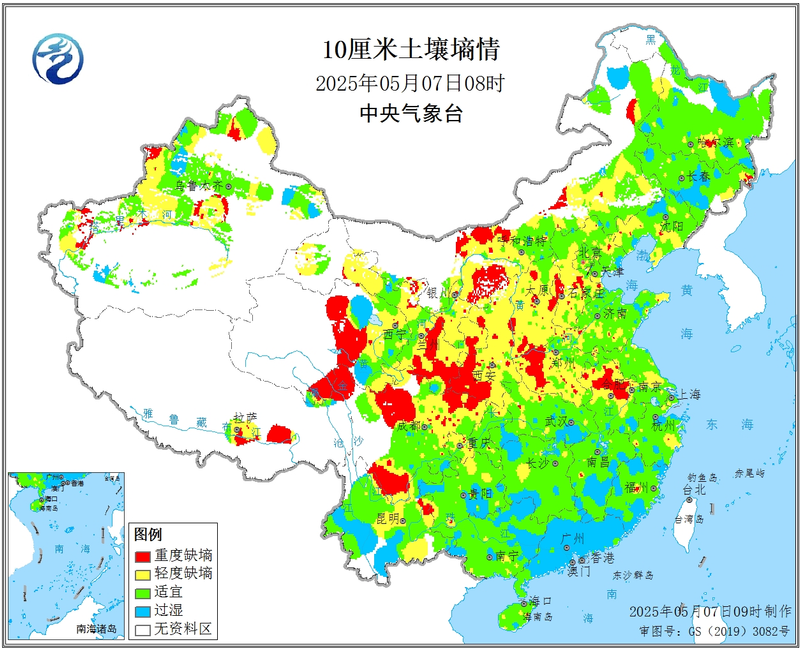
The average daily temperature in the provinces of jilin and elsewhere was above 5°c in the first half of april, with a minimum temperature of 0°c to meet the basic needs of the seed sprouts of dry live broadcasts. However, attention needs to be paid to the possibility of slowing down seeding after seeding at temperatures below 12°c (e. G., the 12 april cooling process in the forecast). Precipitation and soil moisture management
Key technical measures to achieve harvests
(i) varieties selection: drought-resilient and reproductive suitability
Recommended species for the north: 135-150 days of childbearing. Recommended species in the south: short-term fertility, inverted, low-temperature growth. Seed treatment: clothes technologies can increase growth rates of over 20 per cent and increase resilience。
(ii) quality of ground and seeding
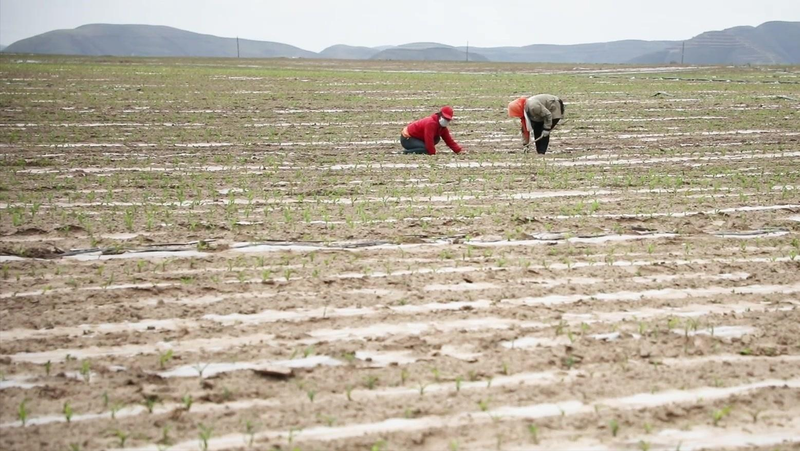
Fine ground: the field is three centimetres tall and the soil needs to be “clean, fine and flat” to avoid scrawling affecting seedlings. 25 cm deep tillage and application of foot-based fertilizers (o. O. 6000-8000 kg/acre + phosphorus 40-50 kg/acre). Seeding parameters:
(iii) dynamic regulation of moisture management
Shrimp period: soil moist and water is protected. In times of drought, ditches fill the water, avoiding flooding. Period: shallow water (2-3 cm) after three leaves to promote partitioning; sunbath control during the season. Earnings and slurry periods: the greatest quantity of water is required, the shallow water layer or wet state is maintained, and the dry wetness of the ear is replaced by the dry wetness of the ear until the week before the harvest。
(iv) weed and pest control
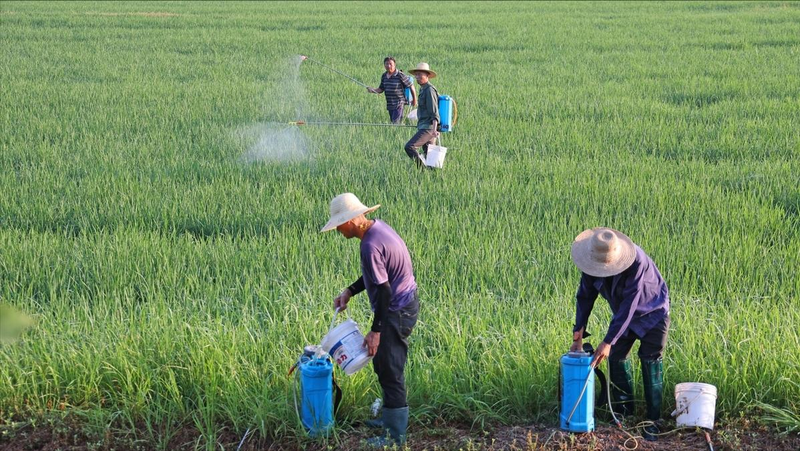
Closed weeding: 3-5 days after broadcast, sealed with pyramid + sulfur and 2-3 leaves to re-do other drugs such as han autumn. Pest and pest control:
Iv. Communication between response and transfer
High birth rates:
Conclusions and recommendations
A good harvest can be achieved through the direct broadcasting of drought under the following conditions:
Varieties fit: choice of varieties that are drought-resistant, inverted and productive. Climate window: sewing during temperature stabilization to protect against extreme weather. Precise management: whole-land quality, hydrodynamic regulation, weed protection at the core. Regional adaptation: the north is better than the south, but the south can optimize drainage and drainage through gutter design。
Future direction: precision irrigation combined with smart equipment (e. G. Soil moisture sensors) and promotion of the "dry live operation + slow decomposition" model to further reduce costs and increase productivity stability。