What's the most common bridge in a national youth film
I said abortion. I don't think anyone has a problem
However, abortion, or abortion, is simply not “juvenile pain”. Perhaps most people on the screen do not know how much harm it can cause to women。
According to who data, more than 56 million abortions are performed globally every year, with china accounting for one sixth of the world's population, or more than 9. 5 million, excluding the number of drug abortions and abortions performed in unregistered private clinics。

People are worse than you think
1. How common is abortion
A study of the state of abortion in china indicates that more than one fifth of women in china have experienced abortion at least once in their lifetime. Of these, 50 per cent were under the age of 24 and 15 per cent were under-age students。
2 medical and surgical abortions, physical injuries
In addition to the number, the rationale behind abortion and its potential harm to women is even more surprising。
Abortion can be broadly classified into two categories: medical and surgical. The principle is to clear the embryo that was attached to the inner wall。
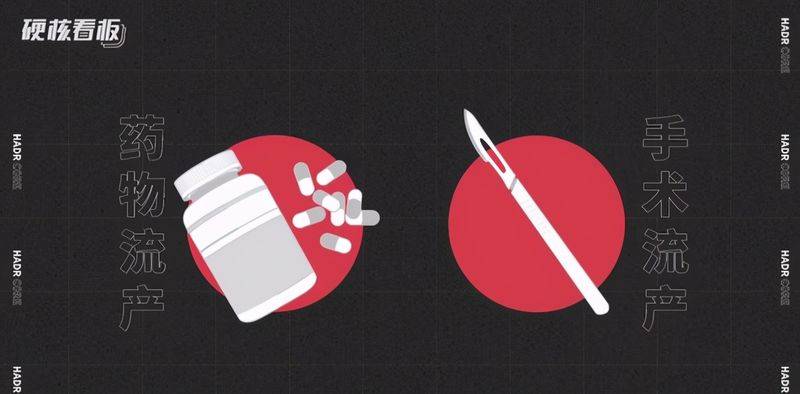
The flow of drugs appears to be simple, but it is only 80 per cent successful, not only to ensure that the embryo is developed within seven weeks and has no extrauterine pregnancy。
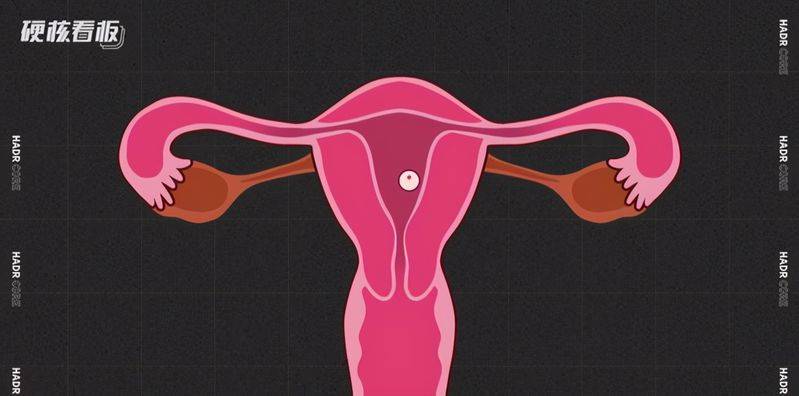
While surgical openings can be avoided, the uterus is convulsed with severe convulsions while taking medication to prevent the child from absorbing nutrients and causing the embryo to die。
This process is accompanied by unbearable abdominal pain, and the flow of medication can also cause sustained haemorrhage, which can lead to reproductive infections if poorly treated。
If they fail, they are faced with a “cleaning house”, which is tantamount to both a drug abortion and an surgical abortion。
So many people choose to have an abortion from the start. There are also several types of surgical abortions according to the growth cycle and development of the foetus。
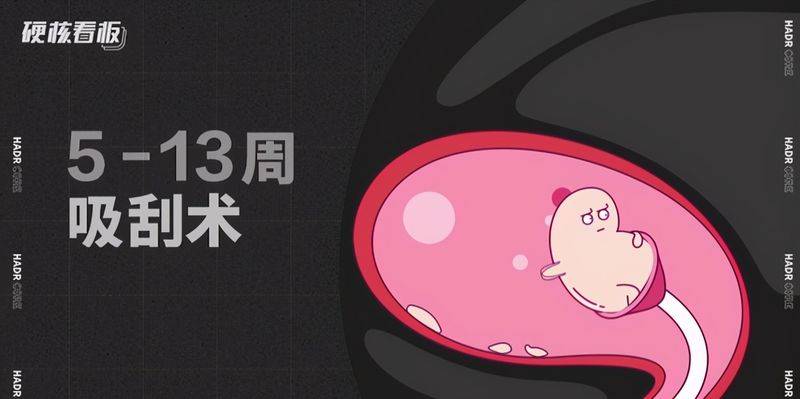
For 5 to 13 weeks, shaving is generally used. Surgery equipment is carried out through the cervix and the foetus is sucked out of the womb with 20 times as much as the domestic vacuum cleaner. After the straw has been removed, the key is also used to scrape the inner wall of the uterus to ensure that there are no embryos left。
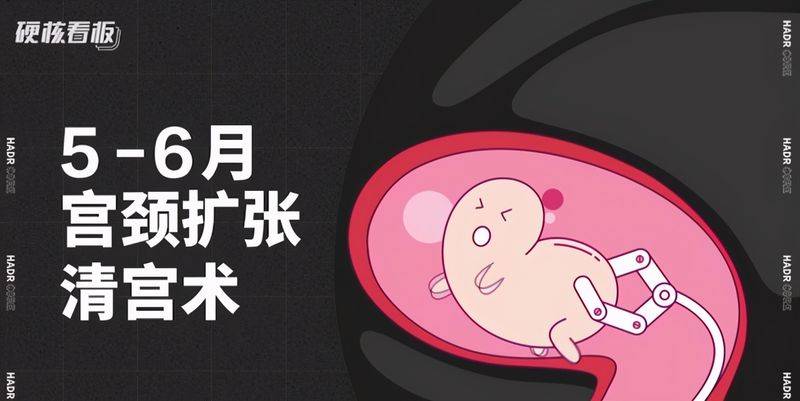
The five- to six-month-old fetus is subject to expansionary hysteria. During the first two days of the operation, seagrass sticks would need to be drenched on the mother-to-mother's cervical mouth, which could be successfully removed only if they were fully swollen and sufficiently large. Doctors use hysteria to rip the limbs of the foetus from the torso. At this point, the child's fully developed skull is hardened and needs to be crushed before being cleaned。
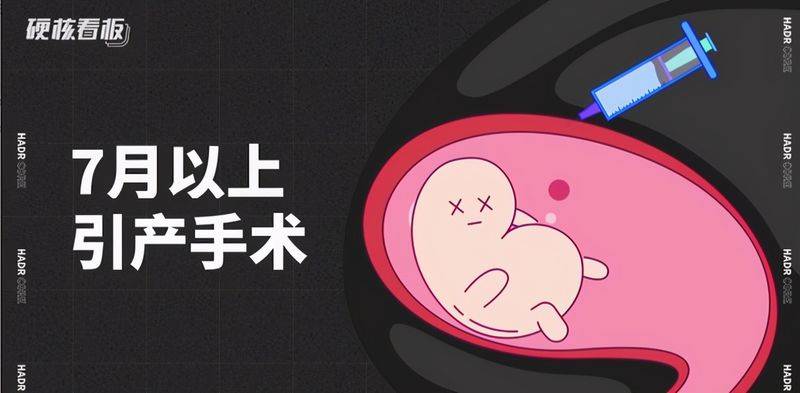
The fetus, which is more than seven months old, is basically in shape, and at this point it is necessary to undergo induced childbirth - first, by injection from the abdomen of the pregnant woman, and then by the same method to remove the foetus from its limbs。
Despite widespread publicity of the “no pain flow” on the market, painless people are left without a sense of process, without any reduction in physical harm, and may still lead to complications。
Human flow, for example, damage to the uterine membranes, can lead to infertility or customary miscarriages; surgery can cause tubal congestion, leading to extrauterine pregnancy and internal bleeding。
3 psychological injuries
Physical trauma is physical, but invisible psychological harm is a nightmare that many women cannot escape。
The two main psychological problems that women may face after an abortion are anxiety and depression, accompanied by post-traumatic stress disorder (ptsd)。
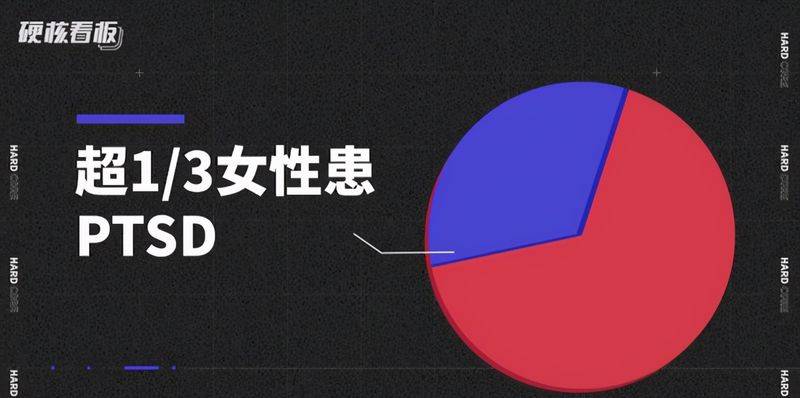
A study of post-abortion stress risk factors shows that more than 30 per cent of women who have had an abortion suffer from ptsd, and that they repeatedly feel guilty, critical and self-hatred。
On the other hand, pressure from society has made it difficult for women who have had abortions to gain access to emotional outlets, which have instead been reduced to a deep “disease”。
In a 2013 study by american scholars, it was noted that women who undergo abortion are downgraded as “bad girls or depraved women” and that such groups continue to lack full social recognition and acceptance。
The “stigmatization” of abortion results in women not being able to access the required social and emotional support, and in order to avoid social stigma, they are more inclined to opt for “unsafe abortion” in informal institutions and even to lose their lives for “face”。
Fortunately, the mental health of women who have had abortions has given rise to concern。
In september 2011, the china women's development foundation and four others jointly launched the “care-to-i, post-age care (pac)” project, which promotes contraceptive awareness among women who have undergone abortions, as well as among their spouses or male companions, and helps them to choose efficient contraception that is appropriate for themselves and can be implemented in a timely manner, avoiding the risk of repeated abortions. Since november 2014, zhengzhou university's second hospital has been established as the “pac quality services hospital”, providing quality post-abortion care to more women of childbearing age, and the zhejiang university medical school's hospital for obstetrics and gynaecology has also established a people-to-preventive counselling clinic。
The black hand behind the suffering of thousands of women
1. The cost of corrupt ideas
All i've been talking about is surgery and post-surgery, but the root cause of the surgeries is actually the stigma of “sex”。
In many people's perceptions, the matter of “sex” is still hidden, shamed and should not be openly discussed, and even some feel that in this regard the more “ununderstood” is “simple”. Sex education is even more difficult to say。
As li milky way once said, “our modern society is already talking about sex, but very few are talking about sex right”
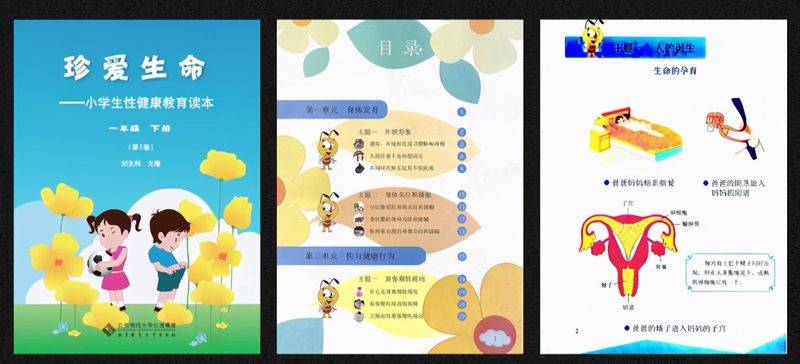
In 2017, the publication precious life - sexual health education for primary school students, prepared by the northern division children's sex education unit, was used in schools as a sex education textbook and questioned by parents about the sensitivity of the content and the excessive scale of the content, which was later taken back by the school, with which the package was put down。
The lack of sex education as a result of parents ' cover-up of sex and the fact that schools do not talk about sex. A lot of people come out with cheap jokes, and there is no question about science and the right contraceptive methods。
Young people are allowed to learn about sex only secretly, and forums, videos and street advertisements become channels of “learning” for young and ignorant boys and girls, as well as the proliferation of non-existent contraceptive methods。
In 2017, a contraceptive literacy survey conducted by the china women's development foundation showed that 18. 8 per cent of the population considered male in vitro ejaculation or termination of ejaculation to be absolutely safe and 13. 5 per cent considered sexual activity during a safe period to be absolutely safe. A further 5. 5 per cent thought that men would not become pregnant if they did not reach orgasm and 3. 7 per cent thought that they would not become pregnant in the shower immediately after having had sex。
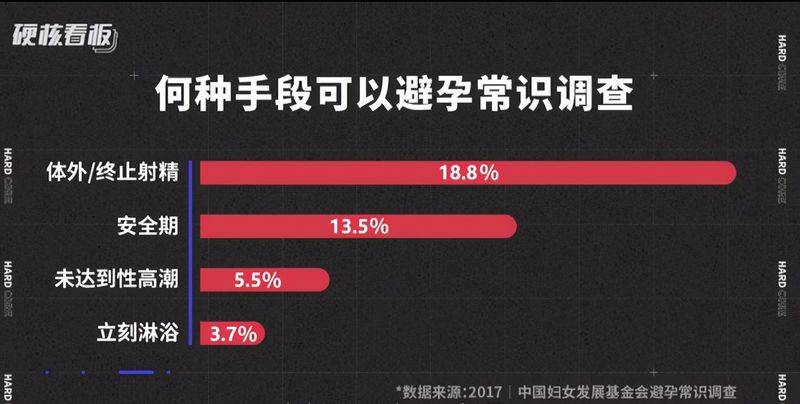
The seemingly “ludicrous” findings reflect a huge gap in our sexuality education。
In addition, young films full of human surgeries, small advertisements filled with utility poles, also influence perceptions of human flows in the context of submersion。
Easy, pain-free, life-threatening ... Many people have the illusion that “unintended pregnancy is nothing but a little surgery”。
According to the survey, 86 per cent of female adolescents eventually opt for abortion after unwanted pregnancy。
Abortion, which was the last resort after an accident, was used by many as a form of contraception。
So, what are the truly scientific and effective methods of contraception
Currently, the main contraceptive methods can be broadly divided into “male” and “female”。
The most common male condom is the condom, which is 98 per cent efficient if it is maintained and correctly used. Another common method is vasectomy, which is not 100 per cent effective and for which some men have mustard。
Female contraceptive methods include female condoms, emergency contraceptives, intrauterine devices, etc。
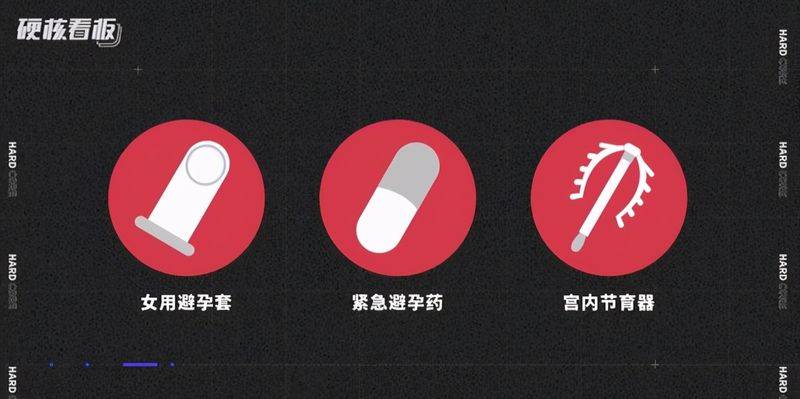
The female condom is not widespread, but it is largely without side effects and is used more than 95 per cent efficiently
The emergency pill must be taken as soon as possible within 12 hours of sexual activity, and if it exceeds 36 hours, the effect of contraception is significantly reduced. But the pill can cause abdominal pain, nausea, etc
And iuds, which we referred to in our previous video, are more stimulating for women, leading to vaginal bleeding, uterus spasms and pelvic infections。
2. Importance of sex education
Proper and timely sex education is the only response to how to avoid as much as possible the harm done to women by abortion。
Sex education enables adolescents to understand and understand sexuality correctly and thus learn to better protect themselves。
It may be thought that speaking openly would make children have sex earlier, but research shows that sex education can have the effect of delaying the first sexual intercourse and reducing the number of sexual partners。
Turning a blind eye to contraception is not the solution。
Sex education in sweden starts in kindergarten and forms a complete school system. Data show that teenage pregnancy and abortion have decreased significantly in sweden since the introduction of sex education in schools。
Sex education was widely available at home, in schools, in the community and in the media, and information was easily accessible. As a result, the rate of unwanted pregnancies and abortions among adolescents in the netherlands is one of the lowest in the world。
Sex is never a flood beast, but shame and fear of sex。
In modern societies where science and technology are less advanced, such appalling ways of human flow as “oral ricin oil”, “throwing alien objects into the womb” and “knocking the abdomen” continue to spread, causing enormous bodily harm to women。
While the recent emergence of modern human surgeries has provided relatively safe and reliable choices for women, this progress has now become an abuse to the detriment of women。
The flow of people is not the end of suffering, but the beginning of long suffering。
Perhaps the first step in avoiding such harm is to look at and understand “sex”; and for girls who choose to choose people without choice, what we can do is not stigma and prejudice, but understanding and caring。