Lemon trees are family-planted hot fruit trees that both observe green leaves and harvest sour sweet fruit. Take the following core skills to keep your lemon tree healthy and productive
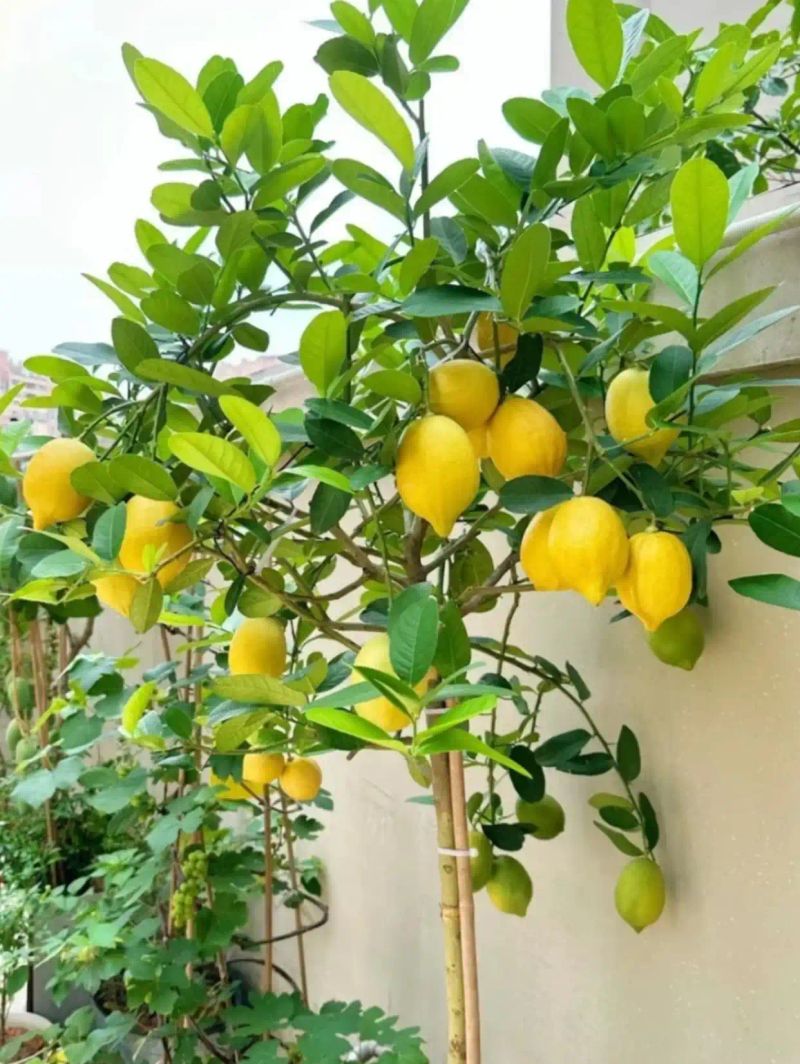
I. Slows and slows: winning on the starting line
The selection of a strong plant is half the success. When offline purchases are made, preference is given to healthy individuals with dry branches, stylish shapes, green leaves and flowers; if the leaves are yellow, rotting or the branches are thin, they are avoided. Online purchase of recommended seedlings via live streaming to avoid the risk of opening blind boxes. Three years of tree production is the ideal option — at a time when the plant is in a stable and long-term state, with large flowers and high seating rates, especially for the four-season lemon species。
New purchases of trees need to go through a “suffering period”: in the case of small seedlings grown in large sheds, they should be placed at home for about a week in a cold ventilated place to adapt to the environment, avoiding direct sunbath or sudden environmental changes. Do not change the basins at this stage. They cause leaves to fall, yellow leaves to stop growing. Normal watering is sufficient for the duration of the slow seedlings, with no fertilization for the time being, until the plant is regenerated and then gradually moved into routine maintenance。
Conservation of the environment: sunshine + ventilation = pottery secret
The requirements of the lemon tree for the growing environment can be summarized as “triples”: sunlight, ventilation, moderate drying。
Light demand: the lemon tree is a typical sunflower plant that takes at least six hours of direct light per day to thrive. Inadequate light can lead to long branches, thin leaves, few flowers and even no results. Optimal planting locations include open balconyes, roofs, all-sighted windows, etc., which are fully luminous, and can be planted directly outside the room. When winter temperatures are below 5°c, they are moved indoors and moved back to the outdoors as soon as the spring warms。
The principle of watering: lemon trees are slightly dry and afraid of flooding, and the watering is subject to “dry and wet”. The judgement is simple: it inserts about two centimetres into the soil with its finger, pours out water when it feels dry (water spills out into the drainhole of the bottom of the basin) and suspends water if it is still wet. At high summer temperatures, water can be recharged in the evening to avoid the dehydration of the leaves; the frequency of the water is reduced during the winter and the soil is kept dry. Remember not to accumulate water. Long-term damp can lead to rotting roots, and water must be watered to ensure that bottom drains are good。
Importance of ventilation: poor ventilation is a common hazard in family cultivation. Lack of air flows can lead to long-term dampness of the pelvis, a lack of oxygen in its roots, leading to yellow leaves, loss of fruit and a high risk of infestation. Keep the plant space, open the windows periodically and avoid placing lemon trees in closed corners。
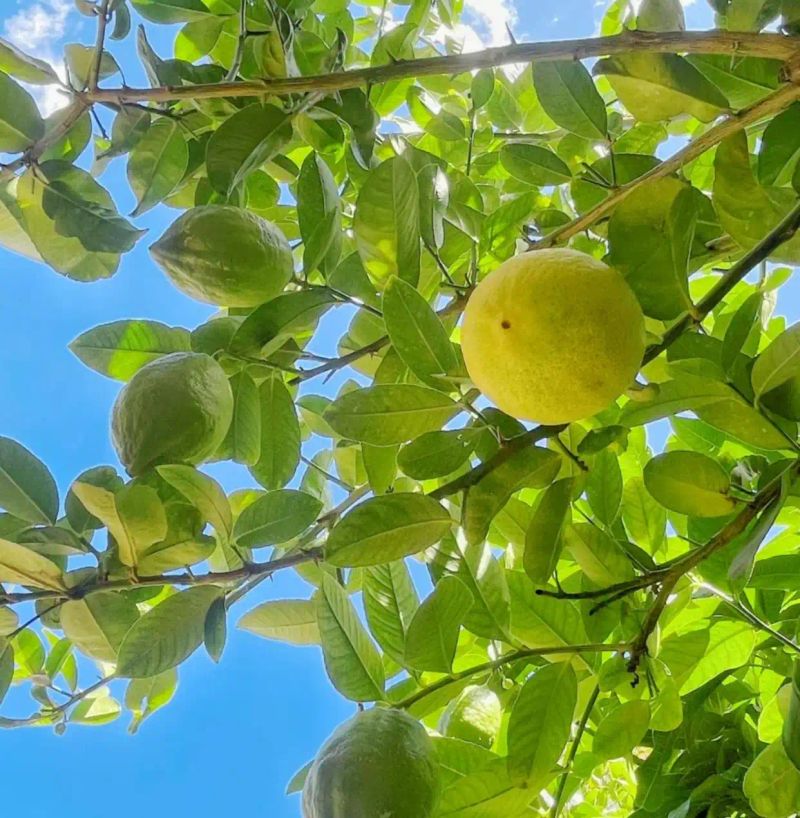
Iii. Pest and pest control: prevention > treatment
Family-planted lemon trees are prone to pests and diseases due to warm and wet environments. The following are common problems and responses:
Red spider: high hair during high-temperature drying, in the form of grey and white dots of leaves and webs of spiders. In the initial phase, tap water can be used to wash the back of the blades to enhance ventilation; in case of large-scale outbreaks, the agent containing the dictum is sprayed. Daily foliage can be humid and the speed of red spider reproduction reduced。
Black fly: little flying insects that fly on the surface not only affect beauty but also carry bacteria. A yellow sticky plate can be effectively booby-trapped。
Aphids and ants: scrambled buds and ant creeping are typical symptoms. Aphids can be sprayed with amphibian-like agents, while the presence of nectar (aphid excreta) is checked for timely clean-up。
Disease prevention: spray a wide spectrum of microbicides (e. G., polybulcin or leclinbacus) once a month, especially before the rainy season, to prevent fungal diseases such as root and folic diseases. If brown spots or decay are found, the leaves are removed and destroyed immediately to avoid infection。
Iv. Comprehensive disappearance of the equipment: drug drug
The loss of leaves from the lemon tree is often a sign of environmental discomfort and needs to be checked in the context of:
The temperature is too low: lemon trees are not cold, and winter temperatures (especially below 0°c) cause large leaves falling or even freezing. This should be moved into the interior as early as possible。
Inadequate light: long-term placement in a shaded environment or insufficient light time, with leaves gradually yellowing out. The solution would be to move the plant to adequate light, with the use of recharge light when necessary。
Unventilated: the closed environment results in wet and hot air and leaves are susceptible to infection. There is a need to improve ventilation and maintain air flow。
Inadequate watering: excessive watering leads to strangulation of leaves in the form of yellowing of leaves and drying of leaves. The frequency of water recharge needs to be adjusted to follow the “dry-and-wet” principle。
Infestation of pests: aphids, red spiders, etc., can cause foliage loss. Timely spraying is required。
Results of flowering: guidelines from flowering to fruit production
There are two key points to focus on in order to get the lemon tree results: pollination and fruit-cutting。
Pollination management: natural pollination is possible when the balcony is grown with access to bees; manual intervention is required without insect assistance. The best time for pollination is in the morning, when the female column is painted with a cotton-marked powder (the top of the white filament on the outer side of the flower) (the bulge of the flower centre). Repeated operations can increase the seating rate several times。
Snitching techniques: too many lemon trees consume large amounts of nutrients, leading to a small crop and lower quality. When a young fruit grows to about 1 cm in diameter, it is cut off from a dense, weak, deformed fruit and keeps a strong fruit. The concentration of nutrients after eugenication can significantly increase the size and taste of the fruit。
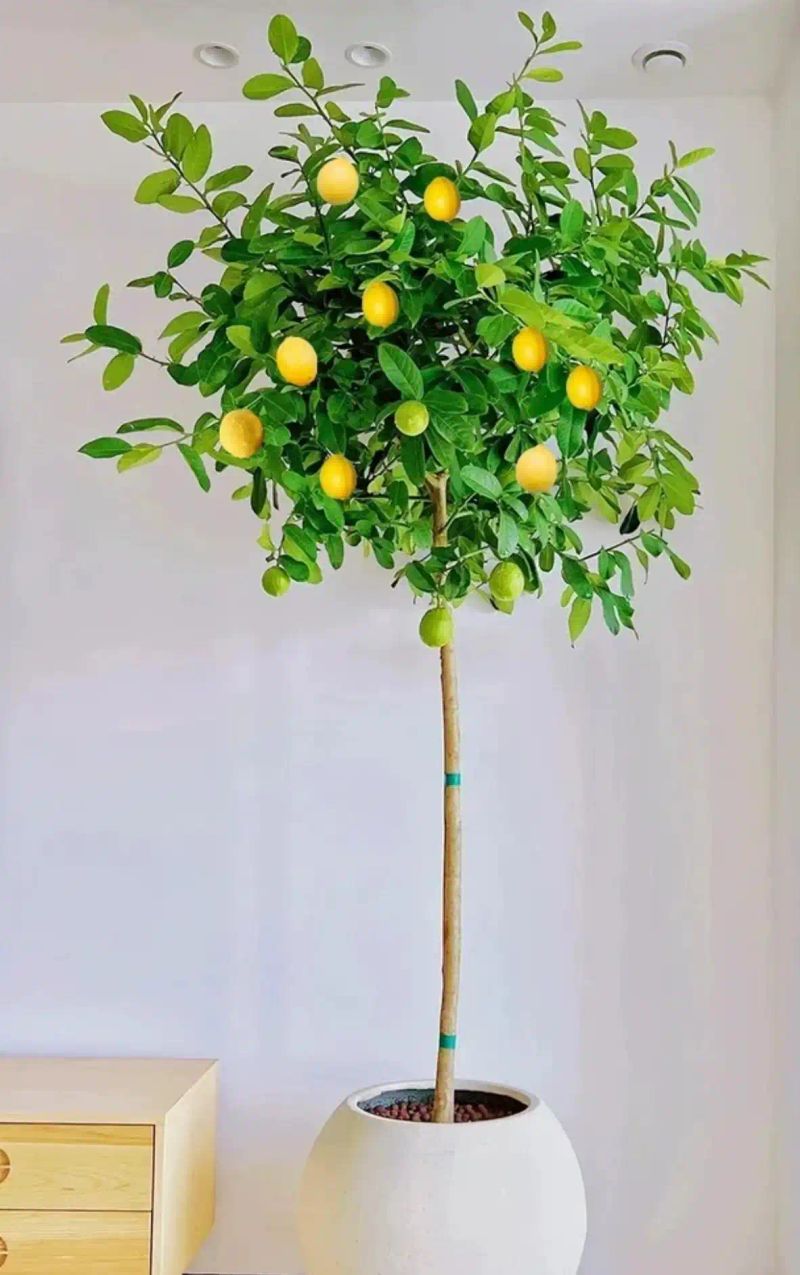
Conservation: responding to nature and management
The survival of lemon trees is tenacious, and the key to conservation is to simulate the primary environment: sufficient sunlight, moderate dryness, and good ventilation. Even if water is sometimes not watered, it can recover from drought-resistant properties. In accordance with this manual, your balcony will harvest golden lemon from the trees
Let's try it. From a green leaf to a tree full of fruit and witness every day a miracle happens