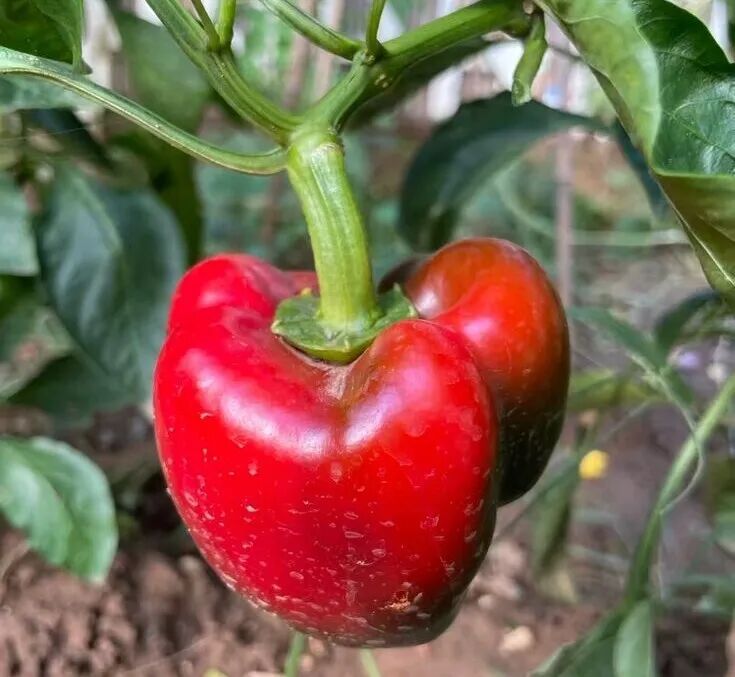
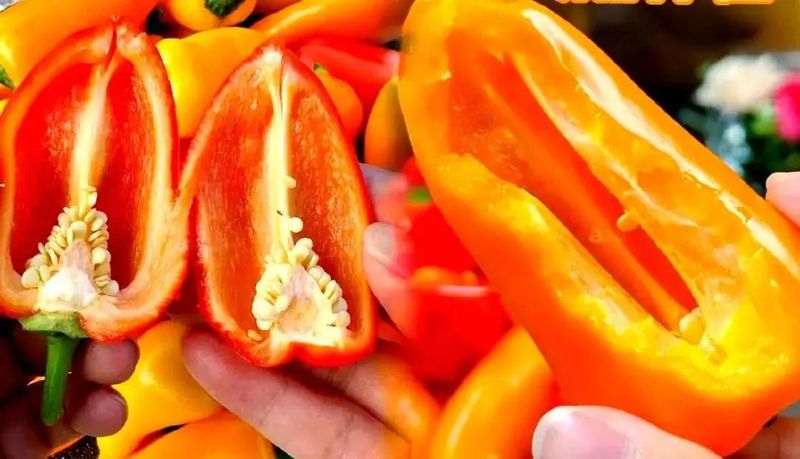
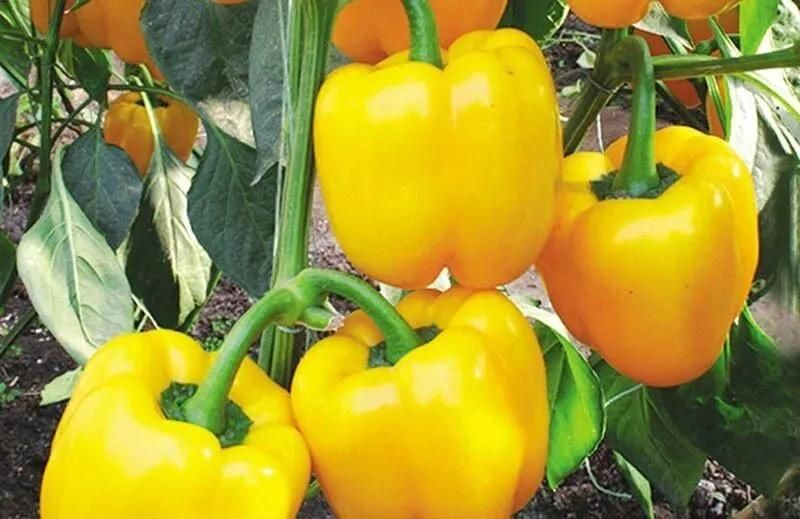
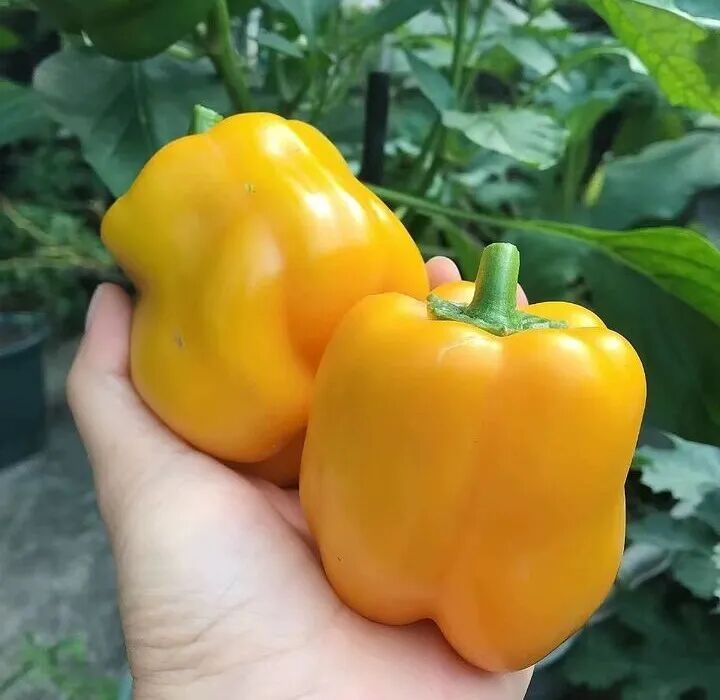
The most recent video was taken of the introduction of pepper, which is a special series of peppers, alias the octopus, which have many colours, such as yellow, red, white, green, purple and orange, so that they are also known as all kinds of peppers。
Paprika is a variety developed by breeders using conventional hybrid breeding techniques, with different colours occurring in different proportions of chlorophyll, chlorophyll, phyll, carrot-like and ketone in the fruit sheet。
Today, we're going to talk about the timing and methods of the peppers。
The time of pepper growing
In mid-march, the general spring plant was bred with plastic thin membranes, requiring a temperature stabilization above 10 degrees。
Summer seedlings took place in late april and early may. In the autumn and winter cycles of pepper production, which run from late july to march of the second year, full use is made of protected areas to allow crops to be supplied in cold seasons。
Summer, may-june, autumn, august-september。
Seeding methods:
Before seeding, the seed is impregnated at 55° temperature for about 15 minutes and then sprouts at 26°. When most seeds are sprouts, they can be sowed. When sowing, the nutrients are poured into the soil, then the seeds are spilled over a thin layer of soil。
After seeding, the soil needs to be wet. During the nursery period, care is taken to control the temperature, which is maintained at around 28° during the day and not less than 15° at night. When the seedlings grow to 6-7 leaves, they can be transplanted。
Growing environment
Temperature requirements:
Paprika prefers a warm environment, with the highest growth temperature of about 28° day and no less than 18° night. During the flowering period, the temperature is 23° during the day and not less than 15° at night。
Light demand:
The requirements for the length and intensity of the light are not stringent, but the colour and quality of the fruit are better when the light is sufficient。
Water management:
The peppers are neither drought-resistant nor flood-resistant, nor do they like a wet environment. The relative humidity of the matrix is 60-70 per cent and the relative humidity of the air is 70-80 per cent。
Fertilisation methods:
Paprika likes nitrogen fat, but single application of nitrogen fat can easily lead to long. Soil moisture should be controlled prior to the flowering results, which should be followed by soil moisture. Fertilizers containing trace elements such as calcium, magnesium, iron, manganese and boron should be added during the flowering period。
Daily care
Emplacement management:
At the time of planting, one or two seedlings were grown in each basin. After planting, water will have to be poured and soil moist。
Whole trim:
The pepper generally retains two main branches and removes the wing branches. The yellow leaves and dead branches of the plant are removed in a timely manner and the heart is taken to promote the growth of the side branches。
Pest and pest control:
Peppers are vulnerable to pests such as aphids and dust. Periodic inspections are carried out, and pests and pests are detected in a timely manner。