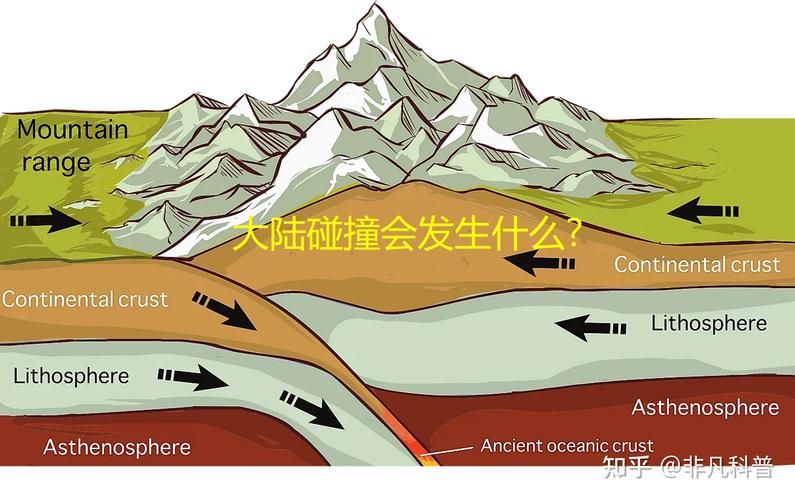
The knowledge of plate tectonics: question 1: the plate tectonics were built on the basis of the continental drift doctrine, the submarine expansion doctrine, and you know who first proposed the continental drift doctrine? Proof that b-l-h-h-d-a-l-l-p-s-d-l-l-l-l-l-l-l-l-l-l-l-l-l-l-l-l-l-l-l-l-l-l-l-l-l-l-l-l-l-l-l-l-l-l-l-l-l-l-l-l-l-d-l-l-l-l-l-l-l-l-l-l-l-l-l-d-l-l-l-l-l-l-l-l-l-l-l-l-l-d-l-l-l-l-l-l-l-l-l-l-l-d-l-l-l-l-l-l-l-l-l-l-l-d-l-l-l-l-l-l-d-l-l-l-l-l-d-l-l-d-l-l-l-d-d-d evidence 2: antiquities and geological formations on both sides of the atlantic ocean are similar. Question 2: describe the pattern of the age of underwater rocks? The symmetrical distribution on both sides of the ridge, the younger the rocks are near the ridge, the oldest the rocks around the trenches. Question 3 on the age distribution of the pacific ocean bottom layer: volcanic, seismic zone distributions at different points: volcanoes — seamounts, trenches near, seismic zones — trenches near. Question 4: the continental drift doctrine. The plate tectonics believe that the continent is moving. Are the moving comparators the same? What's the difference? Continental drift theory: silicon aluminum layer drifts over the silicon magnesium layer; continental drift theory: silicon aluminum layer drifts over the silicon magnesium layer; plate tectonics theory: rock coils (boards) move over the soft troposphere. Direction of the test: 1 6 large plate names and distributions (in combination with regional positioning): 2 explains the composition of surface formations by using the plate tectonics, which are the main components of the o(i) plate tectonics: the rock coop is not a whole, and the tectonic strips are divided into many plates; the plate is in constant motion, and the plate moves into basic surface form; the plate is more stable within itself, the plate boundary is more active in the crust and multi-volcanic earthquakes. (ii) impact of plate movements on the surface: 1: ? Plate fragmentation: formation of crack valleys, oceans, seamounts, etc.; collision of continental plates with continental plates: formation of mountains, plateaus; collision of marine plates with continental plates: formation of island arcs, coastal mountains; trenches. The ocean 4 r. Jr ? . Using the principle of plate motion to explain the rise of the world's main top topography to build a ridge (interoceanic ridges) c.? J. . . . J. . . . . . . . . A 2b3 bkj b . . . . . . . . . . . . . . . . . . . . . . . . . . . . . . . . . . . . . . . . . . . . . . . . . . . . . . . . . . . . . . . . . . . . . . . . . . . . . . . . . . . . . . .