In the middle of the summer, the rice fields of the south were yellow and the air was fragranced. However, behind the picture of the harvest is the fine management of a race against time, especially for regenerative rice. Regeneration of rice, this magical crop, places higher demands on the technology and experience of growers before and after the first harvest. Its success lies not only in simple cultivation, but also in precision control over every detail。
I. Explicit first-season harvest: perfect integration of time, skill and strategy
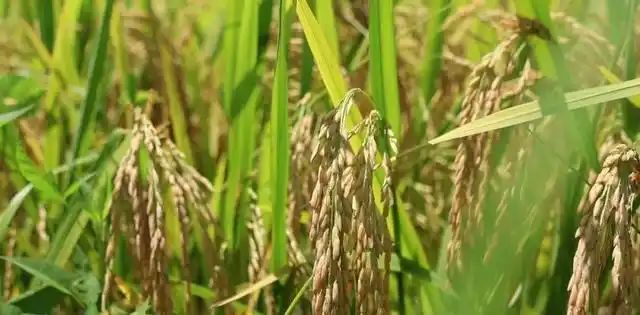
The sun in august warms the earth, and regenerative rice matures. Experienced farmers are ready for this battle with time. The timing of harvests is crucial. Premature and incomplete maturity of rice grains and declining yields; later in the day, the aging of rice, which affects the growth of re-emergence and directly affects the next harvest. The best harvest time, usually in mid-august, is around 80-90 per cent maturity. This requires farmers to make precise judgements based on the actual growth of the rice plant, combined with weather forecasts。
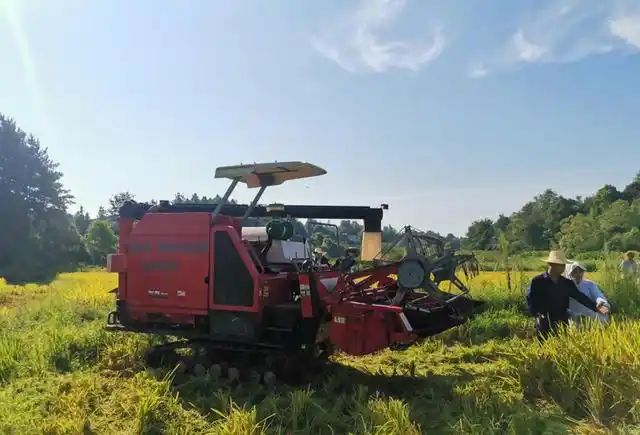
The choice of harvesting tools also directly affects the production and quality of regenerative rice. The traditional method of artificial harvesting is not only time-consuming and labour-intensive, but also prone to damage to rice stakes and the ability to regenerate. Today, advanced regenerative rice harvesting machines, such as dragon canoes and specialized harvesters branded as ward, with their high distance and precision cutting heights, have effectively reduced the damage to rice pyrells and become critical equipment for modern regenerative rice cultivation. The “low-pressure” designs of these machines, like a fine “surgery” for the rice fields, maximized the vitality of the rice stakes。
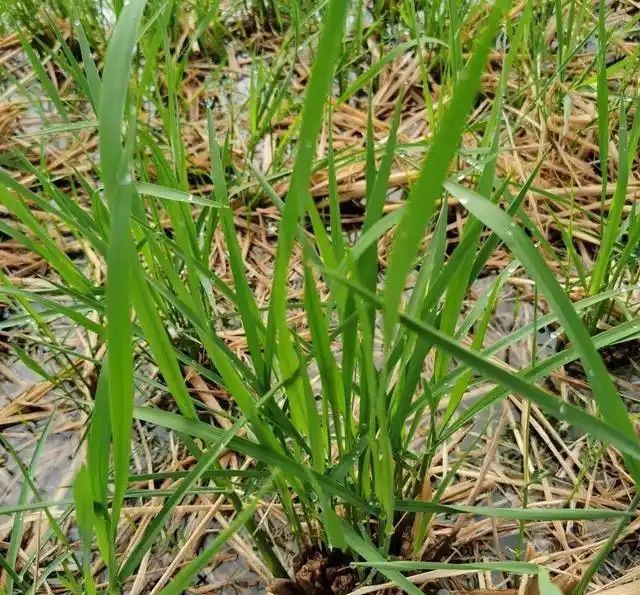
Placing a pillar at a height is one of the core elements of the technology for regenerating rice cultivation. The “staff two, three, four-sprincipal” excuse is the accumulation of wisdom by generations of farmers. But this is not a static rule, and it needs to be adapted flexibly to the characteristics of rice species, soil fertility, management of water fertilizers and harvesting times. For example, regenerative rice of the same type may vary in length of the symbiosis under different conditions of fatty, so that the height of the stake is adjusted accordingly. Early harvests of rice fields can appropriately reduce the height of stakes, while late harvests of rice fields need to be upgraded appropriately. This requires strong practical experience and keen observation by growers. When harvesting takes place, a “back-to-back” or “chamber” pattern is used to ensure the homogeneity and alignment of harvesting and to avoid the damage to rice pyrotechnics caused by tilting, as is the case with the elaborate creation of an orderly “new home” for regenerating rice. The treatment of post-harvest straw is also essential, with flat-shaping after shredding, which not only increases soil fertility but also effectively reduces the occurrence of pests and diseases。
Water fertilizer management: a sophisticated “nutrient supply” programme
Before and after the first harvest, the management of water fertilizers was like providing an accurate “nutrient supply” for regenerative rice. Ten to 15 days before the harvest, fattening needs to be pursued in accordance with the strength of the rice plant to enable it to mature fully and provide sufficient nutrient reserves for regeneration. Yellow-coloured fields require an appropriate increase in fertilizer use, while strong fields can reduce fertilization and avoid waste. Water was cut about seven days before the harvest, but not completely, but rather to control the volume of water and ensure that the rice stakes did not fail. This requires flexibility based on soil moisture and weather conditions, such as a “hydrotherapy” for rice piping, which can supplement water and avoid flooding。
Upon harvest, water is poured into the seedlings, as if it were well received by the newborn. With high temperatures in early and mid-august, timely water injections can be effective in preventing water loss from rice piping and promoting re-emerging growth. The depth of the irrigation needs to be controlled so that the flooding does not lead to the rotting of the rice pyramids. In the latter part of the period, dry, wet and intermittent irrigation is used to meet the demand for regenerative rice while avoiding waste of resources。
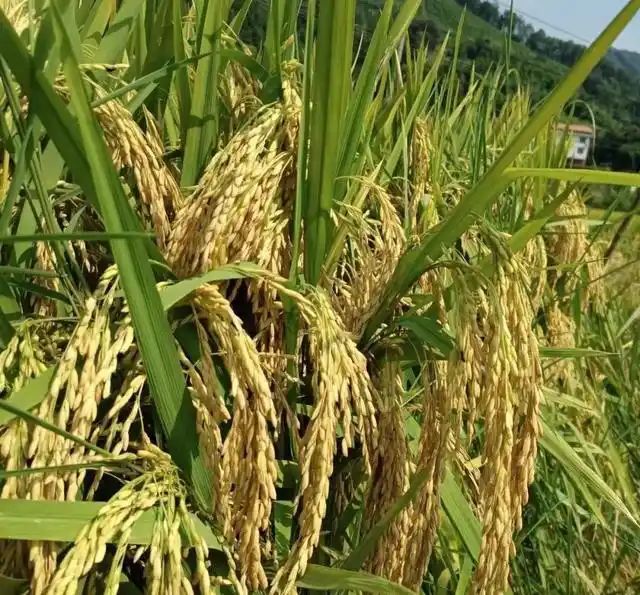
The pursuit of fat is also crucial. The timely application of urea, potassium chloride or compound fertilizer after harvesting can facilitate the rapid growth of breathing and provide adequate nutrients for the growth of regenerated rice. During the regenerative phase of rice, the scientific application of foliage can increase the saturation of rice and the weight of thousands of grains, thereby increasing production. This is like a “nutrient injection” of rice plants to supplement the micronutrients needed for their growth。
Iii. Pest and pest control: the “guards” to safeguard the harvest
Regenerative rice, although relatively light, cannot be taken lightly. Rice lice, dichotomy, and stale diseases remain important pests that threaten the growth of regenerative rice. Therefore, proactive preventive measures are required, such as the selection of excellent pest-resistant varieties, rational rotation, and the removal of weeds from fields. When pests and pests are found, effective and timely control measures should be taken to select highly effective and low-toxic pesticides and to operate strictly in accordance with the methods used. It is like creating a solid “protective shield” for regenerative rice, protecting the hope of harvest。
Iv. Science and technology for development: a vision for the future
The continued development of regenerative rice cultivation technology provides strong guarantees for increased production and efficiency. Advanced agricultural machinery, accurate water fertilizer management techniques and efficient pest and disease control measures will further increase the level of cultivation of regenerative rice. In the future, renewable rice will play an increasingly important role in securing food security and increasing farmers ' incomes. This requires a concerted effort by the government, scientific institutions and farmers to constantly innovate, promote continuous progress in regenerative rice cultivation technologies and contribute to rural renewal。