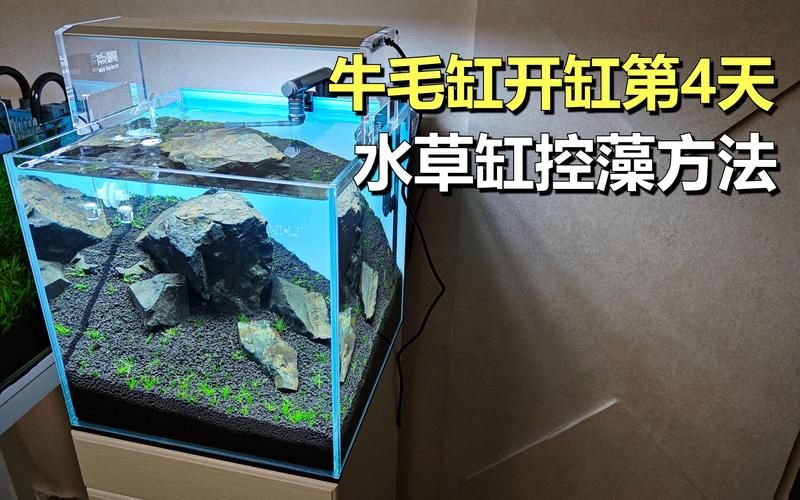
Yesterday, when we spoke of new hands choosing pits, today we speak of the most critical step in fish farming: the filtering system. Filtering is the kidney of a fish tank. It's not right. Fish can get sick and die。
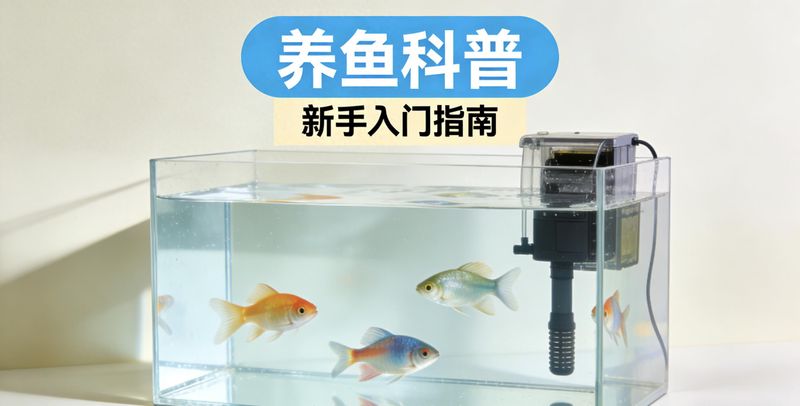
One, don't use one tank filter
The newbies are the easiest to step on: the mini-filtration that buys the jars, the few filters, the small power, the inability to decompose the toxins, the water is just a few days away, and the fish can rot their tails and turn their stomachs。
Self-filtering is the right choice, clean and stable, with fewer fish and longer lives。
Two or three filtration packages, first-hand copying
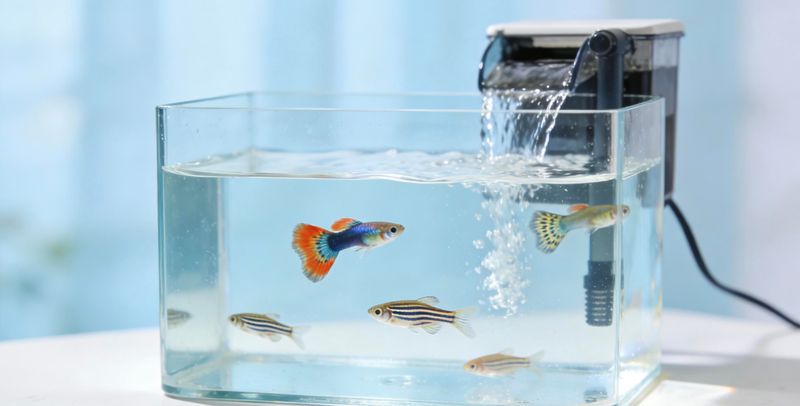
1. 30-40 cm casks → outer filtration
Suitable: peacockfish, zebra fish, light section fish
Flows 5-8 times water, filters: white cotton + ceramic ring + biochemical cotton
Advantages: simple installation, mild currents, no space。
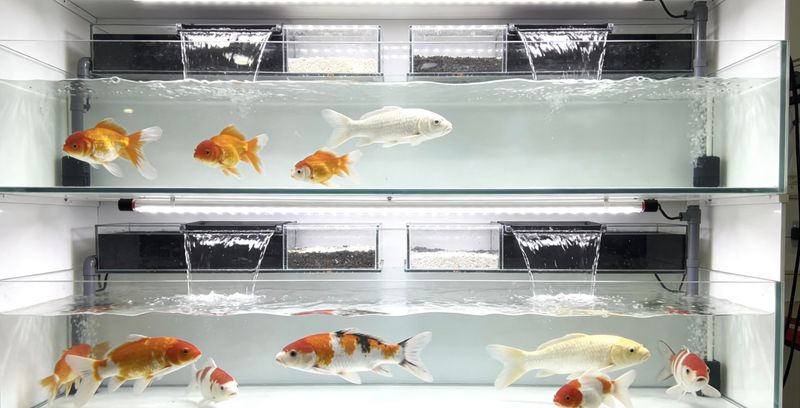
2. Large cylinders above 60 cm
Suitable: goldfish, wall, medium fish
Flows are 8-10 times the amount of water selected, best in multi-story drop box or bottom filter
The filters are more ceramic rings, bacterial houses and more decomposition。
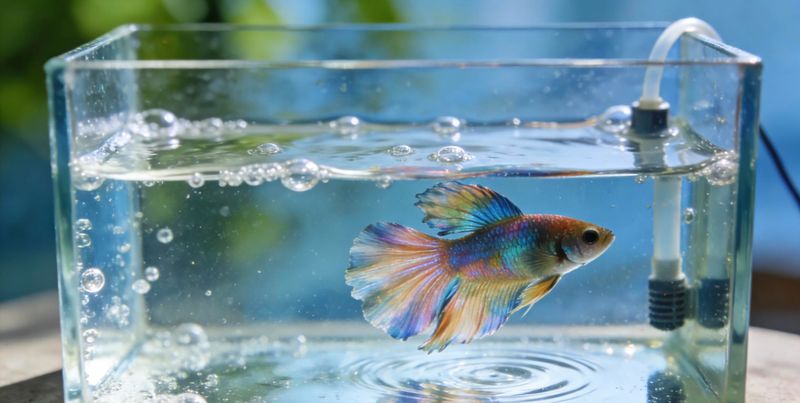
3. 20-30 cm tank
Suitable: single-capable fish
Mute, water flow is extremely slow, it does not blow fins, and it increases oxygen。
Three key reminders for new dealers
1. Flows are measured by size of fish tank
2. Filters are predominantly biochemical filters, not cotton only
3. New recruits try not to use activated carbon as much as possible to damage water quality
Summary
Filter pairs, half the fish
The casks are hanged, the big casks are filtrated/defiltrated, the cisterns are ferocious, the water quality is steady and the fish are healthy。
How old is your fish tank? What kind of fish? The comment section tells me i'll match you
Pay attention to me and teach you tomorrow about the core skills of developing clear water quality。
# freshman fish #