Hello, i'm a fish farmer, and for more than a decade i've seen a lot of fish mates suffer from an oxygen pump switch。
From dozens of small glass casks to one metre or two of a giant carving pool, oxygen pumps are the standard for almost every fish family. But the controversy about it has not stopped: some say that “the 24-hour drive is safe and the fish lacks oxygen” and others say “the night is off and the fish is not so pitiful”。
What's the word? I've been working for more than a decade and i've been telling you about the three dimensions of soluble oxygen, different scenarios, and emergency response. A rookie can do it directly after reading it, and a veteran can avoid a few common pits。
Understand: oxygen pumps are not “blowing bubbles”, but at the core are both
Many newcomers think that the oxygen pump is a bubble in the water, and that the oxygen in the bubble is dissolved directly into the water, which is a mistake。
In scientific terms, soluble oxygen in water is dependent on gaseous exposure area and water flow, which is not relevant to the absence of oxygen in the bubble itself. When the oxygen pump works, boosting bubbles can stir the whole body of water and keep the surface volatile — the greater the surface and air exposure, the easier the oxygen in the air is to dissolve into the water, which is its central function。
Give you a ranking of soluble oxygen efficiency
1. Water currents impacting on the water surface (e. G. Filtering of water vents, waterfalls): the most efficient, the most efficient, and the fastest dissolved oxygen
2. Nanogas exhausts: produced very thin bubbles, slow rises and long water contact times, with soluble oxygen efficiency second only to currents
3. Normal ceramic pyrotechnics: large bubbles, rapid rises, short exposure times, general soluble oxygen efficiency
4. The surface is completely static: it is the least soluble oxygen that can spread almost naturally and fish are vulnerable to oxygen shortages。
To put it simply, filtered water vents, if they are able to blast the surface, are already home-grown, but if silent noise is over-explored, the water surface is virtually non-existent, and oxygen pumps are almost zero。
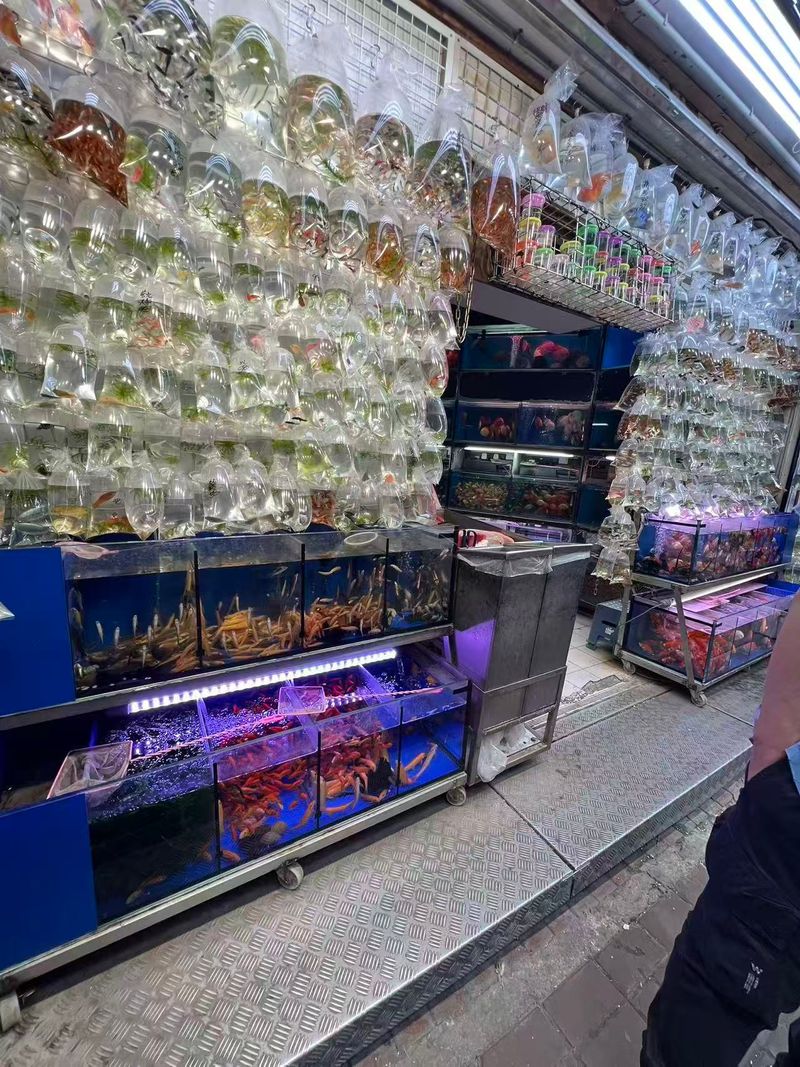
The scene says, "when will it be 24 hours?" when can i turn it off
The core of fish farming is “adaptation”, and there's no absolute answer to the switch on the oxygen pump. It's the size of your fish tank, the variety of fish, the temperature of the environment
Scenario 1: 24 hours, not a second
In these scenarios, the oxygen pump is on the bottom line 24 hours a day
Fish density is high: for example, 60 centimetres of casks, 20 small fish such as red and green lamps, or more than 10 goldfish, with more oxygen consumption and 24-hour oxygen。
High-temperature weather (summer): the higher the water temperature, the lower the dissolved oxygen in the water - 30°c water, about 70% at 20°c. Even if you don't normally use oxygen for summer temperatures above 28°c, you have to drive 24 hours before the fish float in minutes。
The treatment period for fish: whether it is white-point disease, rotting tail disease or intestinal infatuation, it is weak when it is sick, oxygen consumption doubles, and many fish medicines (e. G. Formaldehyde, peacockstone green) consume oxygen in water. The need for “explosive oxygen” during treatment is a crucial step in saving fish。
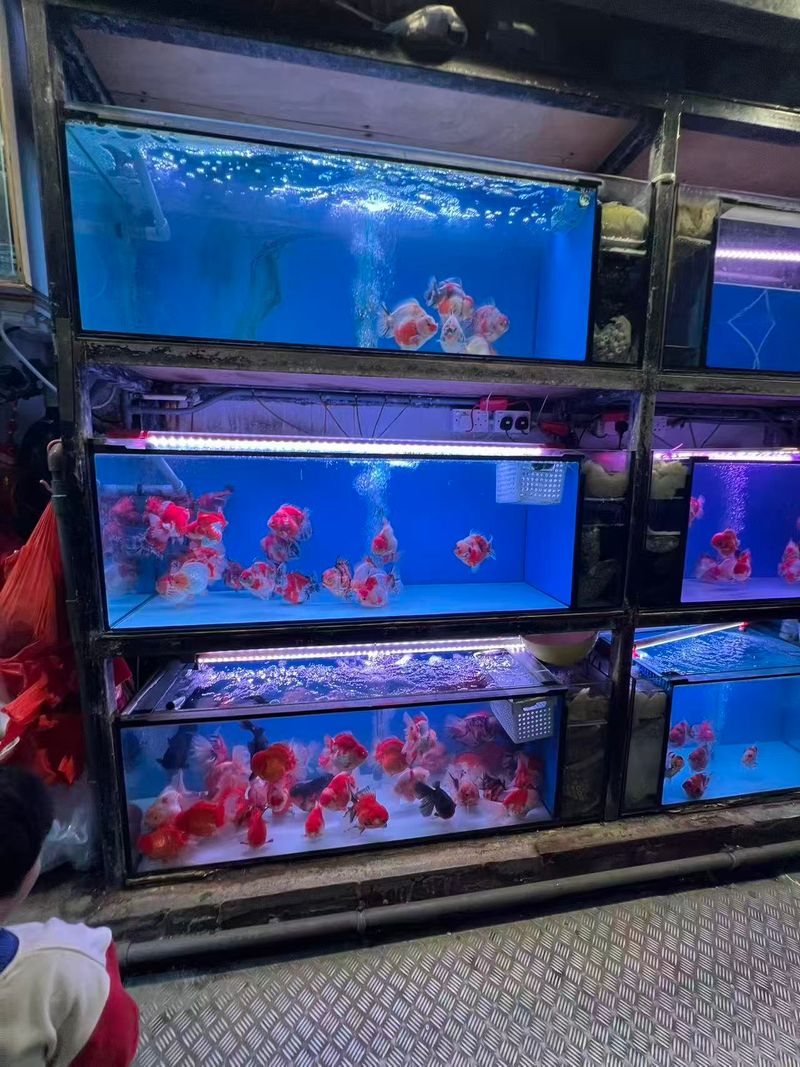
High oxygen-consuming fish are exclusive: goldfish, carvings, map fish, seven coloured fairies, all of which are “oxygen-consuming households”. Goldfish, in particular, have a few minutes to turn their stomachs off without oxygen。
Straws at night: water grasses release oxygen by light cooperation in the daytime, and at night the light cooperation stops, instead they take oxygen from fish. If you have too many swarms of water, you must have an oxygen injection 24 hours a day at night, otherwise the fish will be “suffocated”。
Finally, the catalyzing period, when small fish seedlings are fed in large quantities, also requires soluble oxygen to keep up。
Case 2: it's open in time, not even in time
In these scenarios, the oxygen pump is flexible and does not have to remain open:
Low density + strong filter: for example, one metre large tank with only five small fish, accompanied by upper filtering, waterfall filtering, which can flush the water with ripples, which can be opened during the day and closed at night
(b) episode-specific tanks: episodes are driven by oxygen pumps, which themselves have the dual effect of adding oxygen and filtering, and do not require additional oxygen pumps as long as they are working
Temperature conditions in winter: water temperatures are below 15°c, fish metabolism slows down and oxygen consumption is significantly reduced. If the fish is low-density, large, filtration is strong enough, a few hours of oxygen during the day and can be turned off at night。
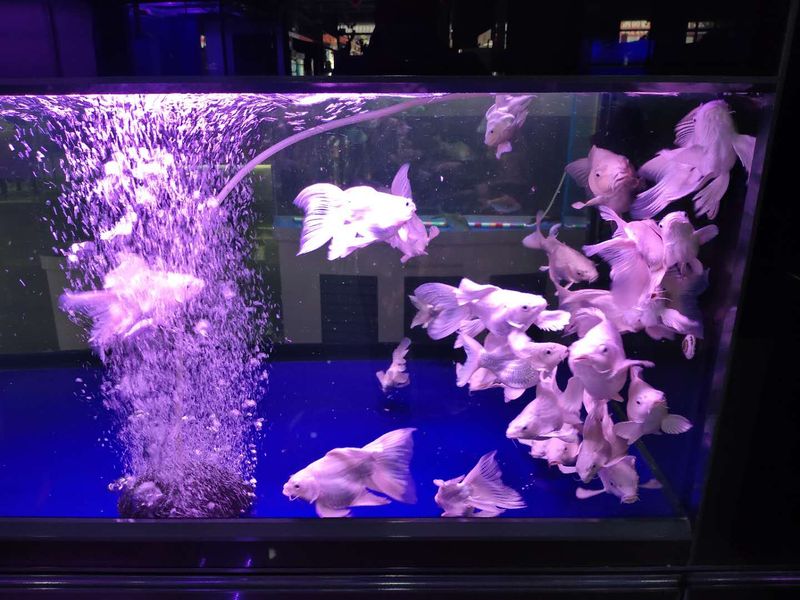
Key: don't wait for fish to turn on the oxygen. These three signals are early
A lot of fish buddies are waiting for fish to open their mouths and breathe, but it's too late to open their oxygen pumps. If you look at these three signals in advance, you can tell if the fish is oxygen-depleted:
(a) light oxygen deficiency: fish often move near the water surface without opening their mouths; prefer to gather near the vents or the airstone; and gill caps become significantly faster
(b) medium oxygen deficiency: open-mouth breathing (floating) of fish on the surface of the water; inert and condensed in the arctic horns; an imbalance in the body of goldfish
Aerobics are acutely low: fish pool floats and breathes quickly; dead fish begin to appear, usually first, with the death of big fish; at the same time, the water quality is so poor that it stinks (a nitrogen super-standard can also float, depending on whether the aerobic-deficit-deficient fish mitigates, or whether the a nitrogen-toxic fish is floating)。
How many times have you stepped on
Zone 1: when the filter is open, no oxygen pump
Wrong. Filtering is very different: filtering, leprechauns are better, filters are better, bottom filters are worse. A moderate increase in oxygen can be achieved if there is a high concentration of fish for viewing。
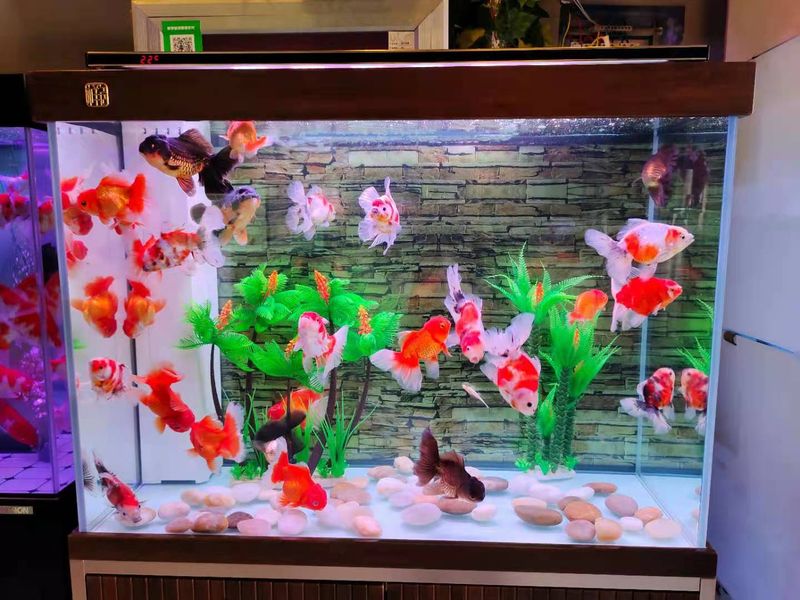
Miss 2: the bigger the pump, the better
Don't be greedy! Too much gas, too much water flow, and fish will be washed upside down for long periods of stress, and they'll get sick. And the atmospheric bubble oxygen is inefficient, so just choose the power that matches the fish tank。
Zone 3: 24 hours to charge
Count: 3 watt oxygen pumps, 3 x 24 = 72 watts for 24 hours, approximately 2. 16 degrees per month and around $1 for electricity. To save a dollar for the oxygen shortage, it's really worth it。
Erection 4: no oxygen in white dots
Wrong. White spot treatment requires heating + oxygen. Warming reduces soluble oxygen, and the fish is weak and requires oxygen, which is not only harmless, but also helps them recover and must be driven。
No need to load the reversible valve
The reversible valves must be installed! It is the key to protect against reversals, and when the power is out, the water will not be rewinded into the gas pipeline or into the oxygen pump to burn the equipment. A few bucks a little bit of spares to keep your air pump at a critical moment。
Practical details: how to select an oxygen pump, how to put it and how to maintain it
How do you choose power? By the size of the fish tank。
30-40 cm tank: 2-3 watt single-pore gas pump, with a gas plate
60 cm medium tank: 3-5 watt double-pore gas pump, with one gas plate/boulder
Large cylinders of more than 1 metre: 5-10 watt gas pumps, adjusted for fish density and depth, with two oxygen-added vents。
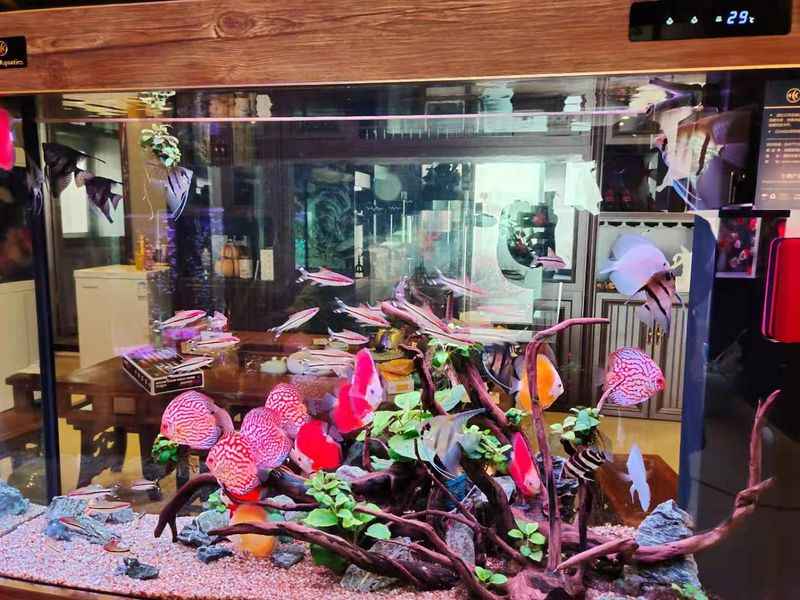
Where's the gas? Don't put it in the wrong place
(a) place it at the bottom of the fish tank and select where the water flow is weak as much as possible, so that the bubbles can rise completely and increase exposure time
Don't put it under the filter, and the current will blow the bubble directly, amounting to white oxygen
The casks can be placed in the middle of the watergrass, which increases oxygen and creates atmosphere。
In the event of a power outage, we can provide a direct flow of two-use air pump, which will automatically replace battery power after the power outage and last 6-12 hours。
I've been raising fish for years, and i've always felt that the essence of raising fish is to keep the details in place. Oxygen pumps look down, but they're fish's lifeguards。
What's your fish tank configuration? Is it 24-hour, or is it timed? You are welcome to share your comments in the comment area。