Applications of modern and integrated fertilisation techniques in orchard production
Meng xianxian
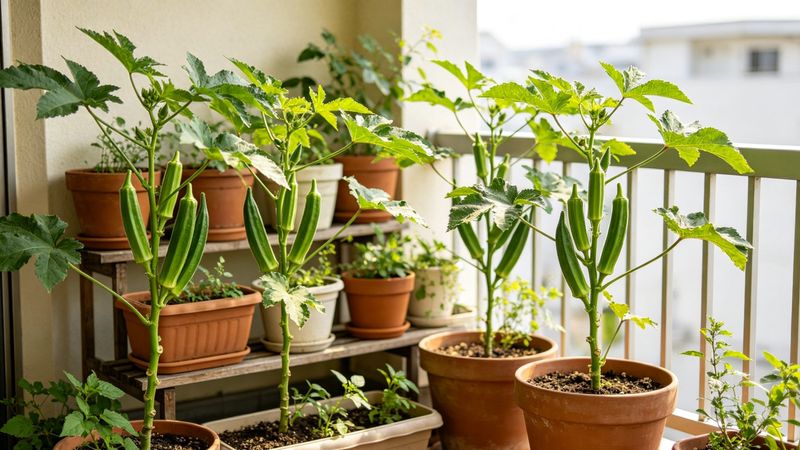
Orchard fertilization is an important component of modern agricultural production and is of interest not only to a wide range of agricultural workers and scientists, but also to the growth, production and quality of fruit trees. Rational fertilization can meet the long-term nutritional needs of fruit trees, increase their strength, improve their resistance to disease and cold, and contribute to the fusion of flowers, laying the foundation for harvest. As agricultural science and technology continue to advance, research and exploration of more scientific, efficient and environmentally friendly fertilization technologies have become the current hotspot of research, seeking to upgrade the transition from coarse management to modern precision regulation (figure 1)。
Figure 1 efficient and accurate fertilizer modernization orchards
General fertilization techniques
Universal fertilisation techniques include, inter alia, base fats, pursuit of fats and exterior fats. Base fertilizer is the fertilizer applied to the soil during the planting of fruit trees or at the end of the autumn, mainly to provide fruit trees with nutrients needed for long-term growth. Fertilization is an additional fertilizer that is added to the fruit tree during its growth, depending on its growth status, to meet its different long-term nutritional needs. The root pursuit of fattening is the direct supplementation of crops through the application of water soluble fertilizer to the leaves, the core of which is the avoidance of soil from the direct effects of the tubing, leaves and other organs, in order to quickly supplement the water and nutrients missing in fruit trees。
1. 1 points for the application of base fertilizer
The application of fertilizer as the basis for the management of nutrients in orchards has a direct impact on the strength and quality of fruit trees throughout the year. The optimal application period is after the autumn harvest and before the soil is frozen (september-october). Fertilisation during this period has the advantage of maintaining temperature at 15-25°c for microbiological activity; of having a fruit root system at its third growth peak, with a significant increase in absorptive capacity; and of having a high rate of healing and new root regeneration. It is proposed to complete the application of base fertilizer within 15-20d of the fruit harvest to ensure full nutrient conversion and absorption。
In modern, efficient fertilisation techniques, the technical route of “earth — fertilization” is carried out, with an accurate picture of soil organic content and the proportion of primary nutrients, such as potassium nitrogen phosphorus, through specialized soil detection analysis. For marginal soils with less than 2 per cent organic content, organic matter is supplemented by a standard of 2 to 3 kg per 1 kg of fruit produced to supplement decomposition farm fertilizer。
1. 2 follow-up on the focus of fertilization
Orchard fertilization is an important measure to ensure the growth and high quality of fruit trees, which require scientific application in accordance with their nutritional needs at different stages of fertility. In the early spring period, it was suggested that fast nitrogen fertilizers (e. G. Urea ~ 12-18kg/667 m2) should be applied during the bulge bulge period, with the right amount of phosphorus, which would facilitate both the growth of the root system and the quality of the bud. When new steps enter a fast-growing long-term life, circular ditches can be used to dig out fertilizing ditches with depths of about 20 cm outside the tree crown projection and to apply composite fertilizers (recommended mass ratio of 18:12:18) of which the ratio of nitric to ammonium nitrogen is contained at around 3:1 to facilitate new growth。
The fast expansion period of fruit is the focus period for the pursuit of fertilizers, when the supply of potassium elements is increased (20~25kg/667 m2), combined with the spraying of 0. 2%~0. 4% of potassium phosphate solution on the leaves and once every 7-10d, 3~4 consecutive times, which can effectively improve the sugar content and appearance of fruit. Modern orchard management promotes the use of precision irrigation fertilization systems, which distributes 35% to 45% of the total annual fertilizer catch through drip irrigation systems 5 to 7 times, not only to increase fertilizer utilization but also to reduce nutrient loss. The supplementation of calcium is particularly important for the prevention of physico-borne diseases, and it is proposed to spray one calcium sequester solution (at a concentration of 0. 3% ~ 0. 5%) each during the gestation period and before the harvest。
Differentiated fertilization programmes should be adopted for soil of different mass: for sand soils, a small number of fertilisations (one application per 15-18 d) should be applied, with an appropriate increase in the use of organic fertilizers; for visceral soils, a combination of microbacterizers is needed to facilitate nutrient conversion and absorption. The application of these science-based measures to catch up on fertilizers will not only meet the nutritional needs of fruit trees at all stages of their growth, but will also significantly increase the efficiency of fertilizer use, leading to high productivity, quality and sustainable development of orchards。
1. 3 elements of external fertilizer tracking techniques
The external pursuit of manure is mainly based on spray or drip irrigation, the formulation of water soluble fertilizers into low concentrations of solution sprayed on leaves, stem, etc., and the absorption of nutrients using plant skin gas holes, angular cracks, etc. The nutrient absorption path is shorter than that of traditional soil fertilization, which can bypass the soil fixation and loss chain to achieve rapid enrichment, especially for crop trophic critical periods or emergency feeding in case of a root absorption barrier. In practical applications, the application of out-of-root fertilizer is influenced by a variety of factors, and scientific technical elements are required to obtain optimal results。
The optimal period of external pursuit of fat is concentrated on several key stages of fruit tree growth. A 3% urea solution before the spring sprouts promotes urea fusion; a 0. 2% boroct solution can significantly increase sit-off rates; a 0. 3% potassium phosphate solution in early fruit contributes to fruit cell fragmentation; a large period of fruit expansion supplements calcium fertilizer to prevent physiological disease; and the application of trace elements after fruit extraction can contribute to the accumulation of tree nutrients. Spraying should be chosen at 9-10 a. M. Or 4-5 p. M. On a sunny day to avoid high temperature and light. In the event of rainfall after application, the application should be supplemented in time to ensure fertilization after the rain has stopped。
The formulation of nutrients is key to external fatting. Nitrogen urea is the most effective, with concentrations controlled at 0. 3% to 0. 5%; potassium phosphate is recommended for potassium phosphate at a concentration of 0. 2% to 0. 3%; and trace elements are targeted to be replenished based on soil tests, with a concentration of 0. 1% to 0. 2% and a concentration of zinc sulfate at 0. 1% to 0. 15%. The formulation should be based on the compatibility of the various fertilizers and avoid sedimentation and absorption. In order to improve fertility, appropriate surfactants, such as 80 per cent vomiting, can be added to reduce surface tension and promote nutrient penetration. Nutrient fluid ph should be adjusted to a weak acid range of 5. 5 ~ 6. 5 to facilitate leaf absorption。
2 integration of orchard mechanization with fertilization
With the rapid development of modern agricultural technology, mechanization operations have been deeply integrated into the various stages of orchard cultivation, bringing about changes in traditional orchard management. In this development process, mechanized fertilization techniques are increasingly demonstrating their unique strengths and application values as central elements. By combining modern mechanical techniques with scientific fertilization concepts, mechanized fertilization has not only significantly reduced the intensity of artificial labour, but has also significantly improved operational efficiency and fertilization accuracy, providing a better nutrient supply environment for healthy growth of fruit trees. This technological integration represents the direction of modern orchard management and promotes efficient, accurate and sustainable development of the whole industry (figure 2)。
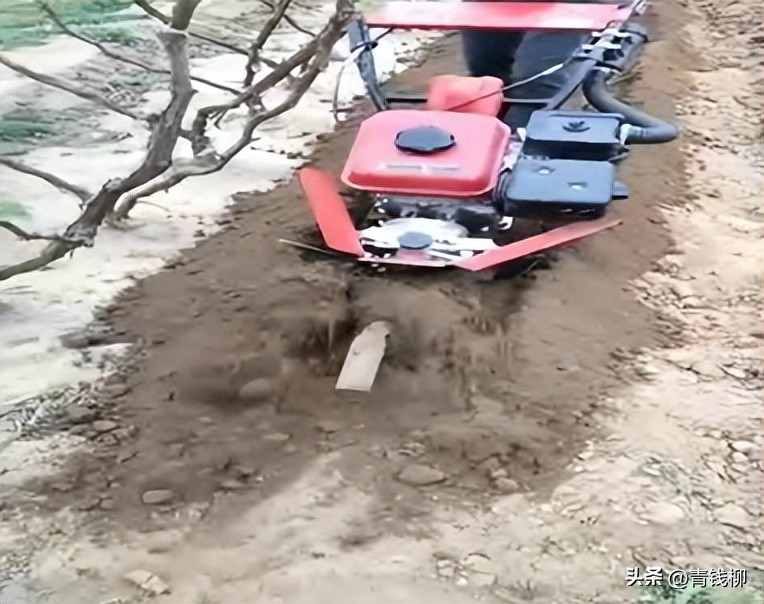
Figure 2
The limitations of traditional artificial fertilization methods have become more pronounced in the context of the ongoing expansion of orchard cultivation. On the one hand, artificial fertilization is labour-intensive and inefficient, making it difficult to meet the operational needs of large-scale orchards; on the other hand, artificial fertilization is difficult to ensure evenness and depth control in the application of fertilizers, and is prone to uneven distribution of nutrients, which affects the absorption of fruit trees. These problems directly constrain the productivity and quality of fruit and fruit production in orchards, and are effectively addressed by the application of mechanized fertilizer techniques. With advanced control systems and fertilizers, mechanized equipment can achieve precision measurement, even distribution and depth control of fertilizers, ensuring that adequate nutrient supplies are available for each fruit tree. At the same time, mechanization operations can significantly reduce the fertilization cycle, enable fertilization to be completed in a short period of time and effectively contribute to the growth of fruit trees。
It is noteworthy that modern orchard machinery takes a variety of forms, including towed fertilisers, self-disable fertilizers and fertilizer drones. The equipment is unique and meets the needs of orchards in different terrain conditions and different planting patterns. For example, large-scale self-propelled fertilizers are operating efficiently in standardized scale-planted orchards, while small-scale specialized fertilizers show greater adaptability in complex mountain orchards. Of particular concern is the application of smart control systems, which have resulted in a qualitative improvement in fertilization accuracy and improved fertilizer utilization through a combination of gps positioning, flow sensors and variable control techniques. In addition, mechanized fertilization can be combined with irrigation systems, developing integrated water fertilization techniques and further optimizing resource efficiency。
3. Orchard precision irrigation fertilization techniques
3. 1 basic concepts
Orchard precision irrigation fertilisation is a modern agricultural management based on the integration of modern information technology and smart equipment, which aims to achieve efficient use of water fertilization resources through data-driven and automated control. The technology can be divided into three key components, beginning with the procurement and placement of core equipment, including, but not limited to, soil spectrometry sensors, meteorological monitoring stations, photoactive radiation (par) sensors and tree sensors (e. G., root flow meters), with different equipment collecting different environmental data from orchards in real time, such as soil moisture, temperature, light intensity, etc., for subsequent analysis and decision-making. The second is feedback on data collection and analysis, such as analysis of historical fertilization data based on machine learning algorithms (e. G., random forests, neural networks), dynamic adjustment of fertilization strategies to avoid nutrient loss or fixation, combined with climate data (e. G., precipitation, evaporation), and, in general, adaptation of fertilisation programmes with different feedback results, for example, by supplementing trace elements in deficiency areas or reducing nitrogen fertilizer inputs in excess of fertility areas, which can increase fertilizer utilization to over 60 per cent. Finally, the most central mode of implementation — water fertilizer integration — is in midstream。
3. 2 integrated technologies for water fertilizers
Integrated water fertilization technology is an agricultural technique that combines irrigation and fertilization to achieve both water and nutrients for crops by adding fertilizers to irrigation water. Central to its implementation is the construction of scientifically sound irrigation fertilization systems, which achieve precision supply through system optimization and dynamic regulation, and significantly increase the efficiency of water fertilization。
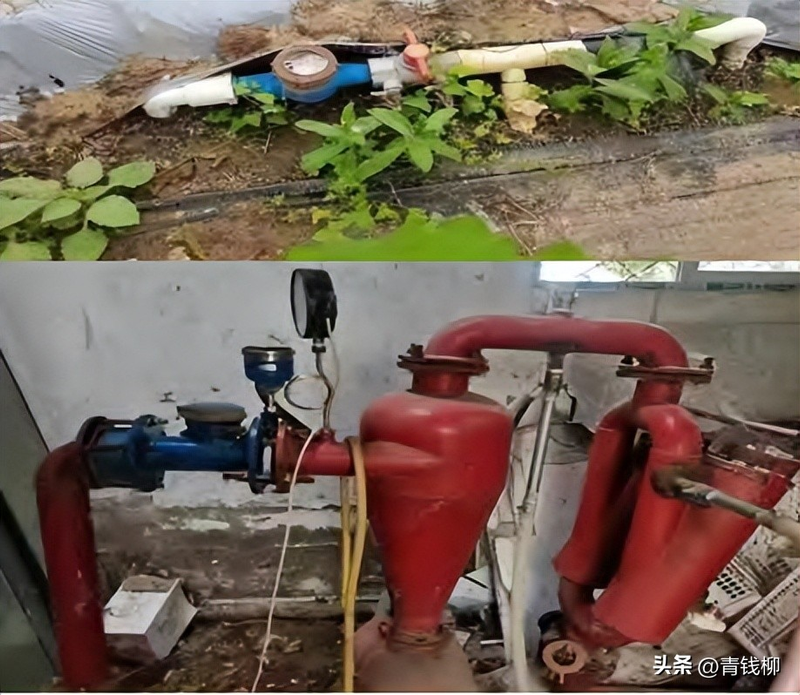
(1) in the design of irrigation systems, pressure-compensated droplets or micronozzles are usually used to ensure that ±5 per cent of the flow is kept even and the spacing of the heads is based on a circular layout of 60 ~ 100 cm in the range of the fruit tree. The first part of the system needs to be equipped with automatic back-wash filters and ec/ph online monitors that both prevent drip congestion and enable real-time regulation of alkalinity of fertilization, and for mountain orchards, additional pressure-relief valves and venting devices to balance pipe pressure。
(2) the development of fertilization strategies requires differentiated regulation of the biological needs of fruit trees at different stages of fertility. In the bud, high nitrogen formulations are supplemented primarily by drip irrigation systems, with organic fertilizer applied to the radioactive gutter base in order to promote new growth; in the flowering period, the rate of nitrogen fertilizer is reduced, the supply of potassium phosphorus is increased, and the water soluble potassium phosphate is regularly injected with fertilizers in the cucumber; and in the event of high potassium formulations, “minor” irrigation combined with soil plume sensor data is desirable to avoid fisssures due to high water fluctuations. This dynamically adjusted fertilisation programme is able to accurately meet the nutritional needs of fruit trees during their reproductive years。
(3) the application of modern smart control techniques can further improve accuracy. An intelligent control system based on a network of things can automatically trigger irrigation and initiate irrigation procedures when the amount of water in the soil is below the set threshold, while keeping the fertilization ec value (electricity rate) within optimal limits. The analysis of historical yield data through machine learning algorithms allows for the systematic and dynamic adjustment of fertilization during fertility periods to achieve more scientific nutrient management. More traditional ways of integrating intelligent water fertilizers have been shown to significantly improve the efficiency of water fertilization while improving the quality of fruit. It should be noted, however, that the operation of the system will need to be accompanied by measures such as the application of organic fertilizers and inter-walk grass cover in the autumn to maintain the balance of soil ecosystems (figure 3)。
4 conclusion
The extension of modern and efficient fertilisation technology has resulted in the upgrading of orchard management from a broad-to-precision approach. A combination of mechanized operations and intelligent irrigation systems has resulted in a significant increase in fertilizer utilization, while improving the quality of fruits and reducing environmental pollution. However, there are still problems of insufficient mechanization of small-scale orchards, high cost of precision fertilization and a lag in changing the mindset of some fruit farmers, and there is still a need to strengthen technology demonstration and training in the future in order to promote new technologies to take root。