United states republican congressman darrell issa is actively promoting the united states copyright protection act, which empowers copyright owners to require the blocking of foreign pirated websites. A discussion paper revealed significant discrepancies between the bill and the foreign anti-digital piracy bill introduced earlier this year by congressman zoe lovegren. However, both bills focus on domain name servers (dns) solvers, which raises concerns among tech giants. After more than a decade of efforts to combat piracy overseas, the subject of the site block has now returned to the united states mainland。
Background to the lovegren act
At the beginning of this year, lovegren introduced the foreign counter-digital piracy bill. With the expansion of anti-piracy efforts worldwide, the introduction of relevant united states legislation became inevitable. But after a long wait — more than 13 years since the rejection of the last internet piracy bill — the united states has once again turned its eyes to this area. It is noteworthy that the united states copyright protection act is not an isolated case。
Preliminary draft of the isa bill
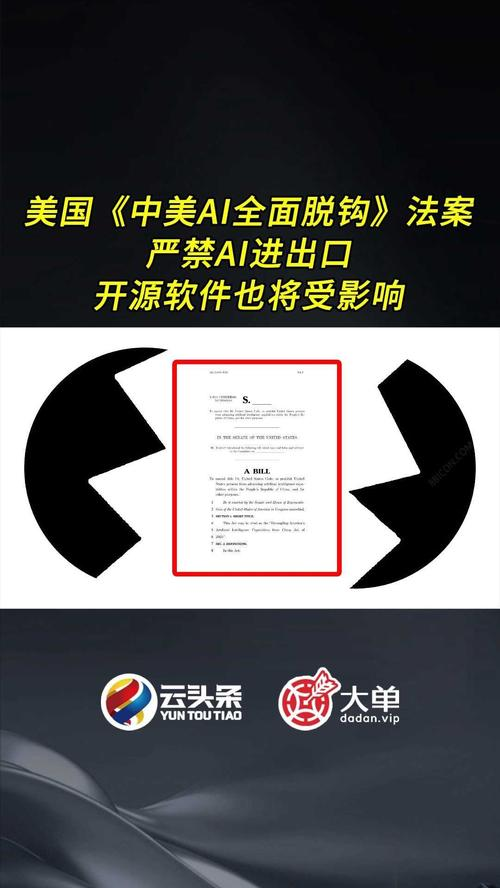
In addition to the foreign anti-digital piracy bill, issa is also working on its own website blocking bill. Although the bill has not yet been formally presented, a draft discussion framework disclosed by the media has revealed its core content. It is worth noting that this is only a preliminary draft of the framework and that the form and content of the final bill is uncertain. The bill may be amended several times before it can be formally submitted, if available. We will then look at the draft content of the american copyright protection act in detail. The draft proposes a simplified set of court procedures designed to help united states copyright owners prevent access to foreign pirated websites or to websites of united states operators. This procedure consists of four key stages, including the submission of evidence, court decisions and the issuance of shielding orders。
Content and implications of the draft acpa
1. 1 main features and procedures
The draft acpa is similar in many respects to the previous fadpa, but there are significant differences between the two. Both focus on internet service providers and dns solvers, but acpa makes new recommendations at the trial and implementation levels. Specifically, acpa proposes that a list of judges of a particular district court be established by the united states judicial assembly and that at least one judge of the regional circuit courts be designated to deal with piracy cases. In addition, the shielding requests will be processed following the four-stage procedures set out in the draft。
1. 2 comparison with fadpa
Unlike acpa, the fadpa is based on standard united states district court jurisdiction and establishes a “preliminary injunction” through a proposed amendment to section 502a of the copyright act. It is worth noting that the acpa poetry u. S. Court organizes a unique trial system and enforcement priority, unlike similar measures of the fadpa based on copyright law standards。
1. 3 transparency and protection measures
A number of transparency provisions are clearly provided for in the draft acpa. For example, the u. S. Copyright authority needs to establish a public website to publicize all existing shielding orders. At the same time, the draft requires copyright owners to provide evidence that they have attempted to notify the operator of the target website and the domain name registry about the violation. In addition, the draft set conditions for service providers that could be included in a shield order. In particular, in the case of excessive shielding, the aggrieved third party is entitled to claim from the copyright owner if the copyright owner's error results in the blocking of a third party website other than the pirated website。
Risks associated with and responses to dns
2. 1 potential risks to dns

The proposed framework proposed by issa does not cover shielding measures for root and top level domain name servers. Furthermore, under the general exclusion clause of the framework, those dns solvers that provide services to fewer than 50,000 users per year will be exempted. The proposed framework does not address root domain name servers, but raises concerns about the internet infrastructure coalition, noting that the national dns shield may pose a threat to internet openness。
2. 2 response of internet service providers