


How do you grow quinoa? In fact, many friends are not very well aware of a concept and nutritional value of quinoa, but the market weight of quinoa is still high, as the united nations declared 2013 as the international year of quinoa, without the urgent need to prepare an article on the nutritional value of quinoa and the techniques for planting it。
1 quinoa characteristics, nutritional values and economic benefits
1. 1 characteristics
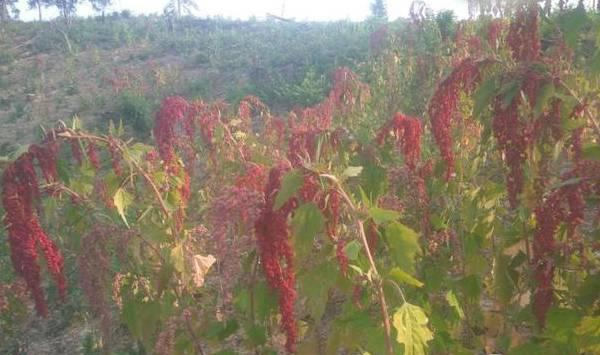
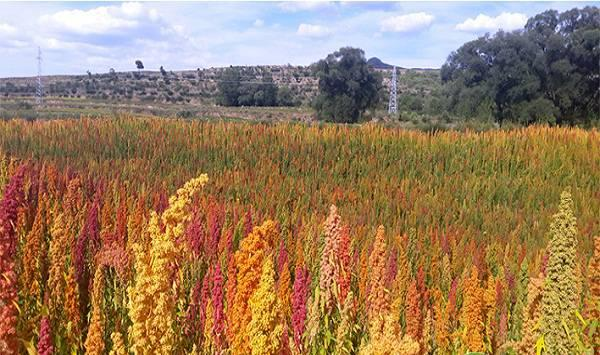
Quinoa is a broom-like plant, usually divided into three colors: purple, green and red. At the same time, quinoa is a home-grown pollination plant, with a pollination rate of 12 per cent, a thin long fruit and a diameter of 1. 5 ~ 2. 0 mm. In order to adapt to different geographical conditions, varieties that vary from quinoa to quinoa are also very rich, and different varieties have similar characteristics, such as cold resistance and frost resistance, so that their cultivation is rarely limited by factors such as geography and temperature。
1. 2 nutritional values
Quinoa has a very high nutritional value and is a alkaline plant that can contribute to the balance of acid alkaline in humans. Quinoa itself contains a wealth of nutrients, such as vitamin b, vitamin e, linic acid and dha, which are resistant to oxidation, cancer and heart disease prevention, and are a rare combination of plant varieties in natural plants。
Quinoa contains high proteins and cellulose and includes nine amino acids needed in humans, which also makes it better to absorb than other coarse grains. Minerals play a very important role in human metabolism, and people need to absorb a certain amount of mineral elements, while calcium, magnesium, potassium, etc. In quinoa can be absorbed into the human body, contributing to the balance of human functions and ultimately to increased immunity。
1. 3 economic benefits
Quinoa is of great nutritional value and, as a result, has been in demand on the market in recent years, and most countries have undertaken research work such as quinoa cultivation, with some success. The demand for quinoa is greater in asia than in europe, especially in south korea, taiwan and singapore. However, because of the harsh climate in which they originate, supply and demand are often excessive. The economic value of quinoa can also be seen in the fact that it is sold at $12/kg on the international market。
In view of the current market developments, the economic benefits of quinoa, though modest, have been considerable, as a result of which a large number of farmers in the country have begun to invest in and grow quinoa, which is a new method of enriching a family。
2 quinoa cultivation techniques
2. 1 conditions of cultivation
As a rule, quinoa is grown between 90 and 220 d and ensures rainfall above 300 mm。
2. 2 fertilizer management
Quinoa cultivation is best served by the use of farm fats from previous years, and if fertility cannot be fully released, high n and p fertilizers can be used to catch up to ensure that it is fully absorbed by soil and that the best results are achieved. When the selected species, mechanical equipment, etc. Are ready, the suitable weather is chosen for seeding, usually after the rain, to ensure that the seedlings are fully structured and that the distance between lines is between 40 and 50 cm. In order to prevent further transmission of pests and pests and adequate crop nutrients, growers are required to perform weed removal on a regular basis and, when weeds are too numerous, weeding activities are required two or more times. Ensure that weeds are completely removed。
2. 3 pest management
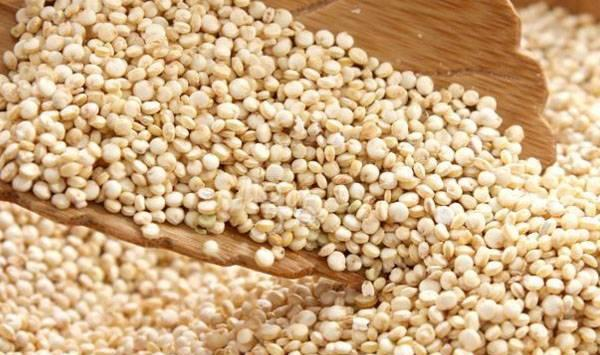
Quinoa has been introduced into the country for a relatively short period of time and, although no pests or diseases have been detected at this time, growers must not be taken lightly. In order to avoid the occurrence of the common quinoa pests in our country, which are of particular importance because they usually occur only in quinoa, which cannot be treated as such, growers should purchase seeds from regular manufacturers, refine them before planting and remove their wrappings to prevent further damage to quinoa。
Quinoa's pests are mainly divided into two types of subterranean and semi-subsurface pests, which are usually planted in the early spring, when insect hibernation is not sufficient to damage quinoa's buds. In order to prevent further transmission of the pests, further treatment of the pests and chemical management methods are needed. The velvet tortoise is a semi-surface insect, which operates at night, and each time chooses to move in groups, gathering in large numbers on the fields of quinoa, which eventually leads to seedlings being eaten. For semi-terrestrial pests, chemical remediation should be used to spray trees, grasslands, etc. To prevent further transmission of pests. Vegetable leaves and wheat ears are important pest-infested areas. In addition, quinoa is one of the early quinoa pests, and when quinoa enters the long term and quinoa enters the mating season, quinoa needs large amounts of quinoa-eating leaves to ensure that it is nutritionally adequate, and it needs to be removed by human means and its growth safe。
2. 4 harvest
When the leaves of quinoa turn red, and the leaves are in large disarray, they can be harvested. Artificial harvesting can be used, as well as mechanical harvesting. Once the harvest has been completed, the harvest of quinoa will also need to be hit and crushed, dryed in the sun and put in a cold and ventilated warehouse for storage。
Quinoa, with its high nutritional value, economic efficiency and vulnerability to pests and pests, is a country with very good prospects for development. We should increase our focus on the cultivation of quinoa and introduce scientific methods for further processing of quinoa with a view to achieving greater economic benefits。
You may be interested in the content of the recommendations below。



