The forest and grass office of bo county is committed to developing the specialty forest garden economy as a means of expanding the agricultural and pastoralist harvest, improving the rural habitat, and helping to revitalize the village as an important player in a well-planned and orderly way。
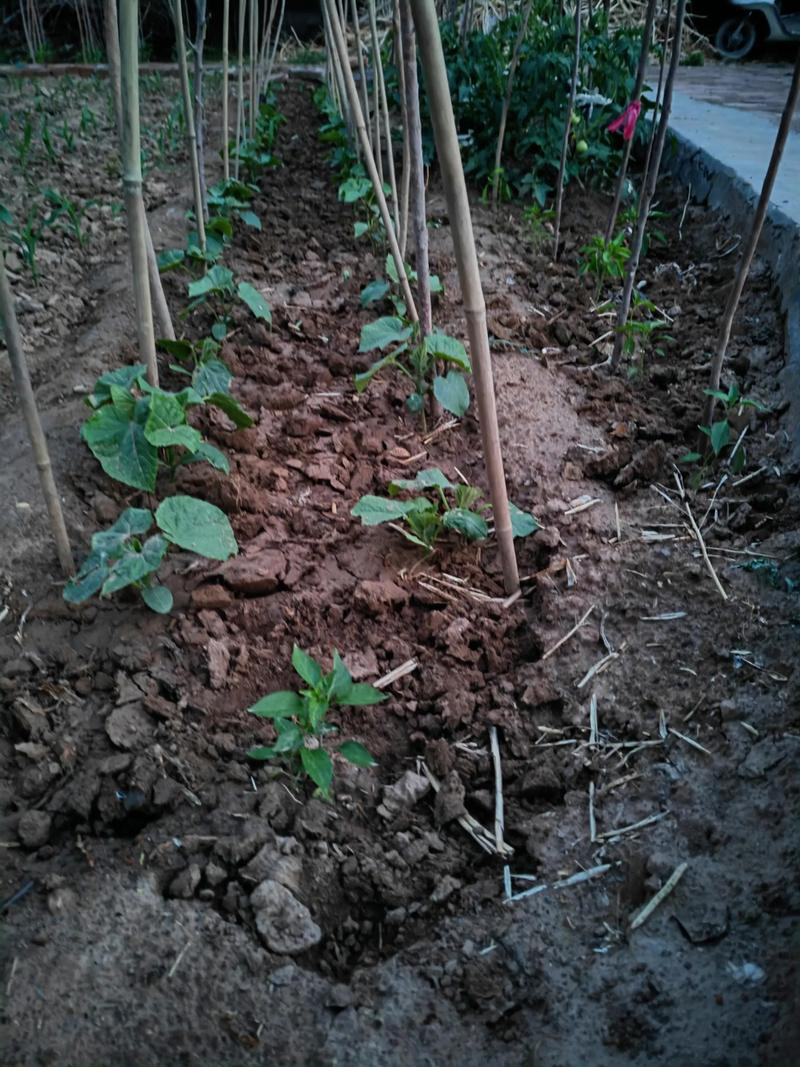
One is to strengthen planning facilitation. Since 2022, the state party committee has been implementing the requirements of the “big learning, thinking, planting, discussion, state building initiative” and, in line with the deployment of the state party committee, the government's directorate, the bo state forest grass office, which is based on local characteristics of fruit and fruit resources, to deepen market demand and consumer preference, to conduct in-depth research, analysis and research on quality development of the courtyard economy, to organize study missions to study the schoolyard economy in ishahara, toluzan, etc., and to draw up the 2023 project for the implementation of the economic development of the courtyards by autonomous regions, which will identify work measures, responsibilities, time-steps, financial security, technical support, etc., and to convene thematic meetings to further unify ideas, strengthen accountability and steadily advance the economy of the courtyard。
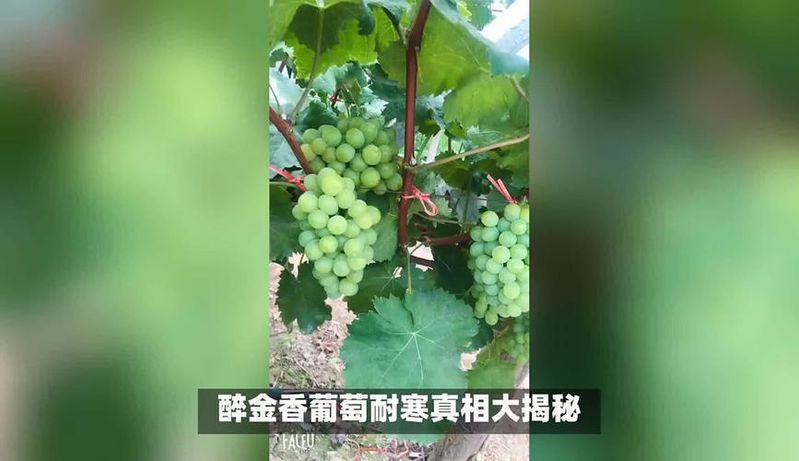
The second is to insist on adaptation. Taking into account the climatic conditions such as the city's light and heat resources, a selection of locally appropriate species of fruit has been validated, and in the city of bola, river quest, there is a major promotion of kashkar grapes, a moderate cultivation of peaches, acne, etc., and in the hot springs, apples, almonds, etc. Strengthen positive advocacy to encourage and guide farmers and pastoralists, especially those monitoring the eradication of poverty and the prevention of return to poverty, making full use of court space and resource assets, and developing the special forest and fruit garden economy. In keeping with the principle of government guidance, the head of the farm family, through a village-by-village survey, the state has created 6064 new households with the will to develop special forest fruit gardens, including 2,000 new white grapes in the city of bola, 2,348 new white grapes in que river county, 264 new apples and almonds in the hot spring county。
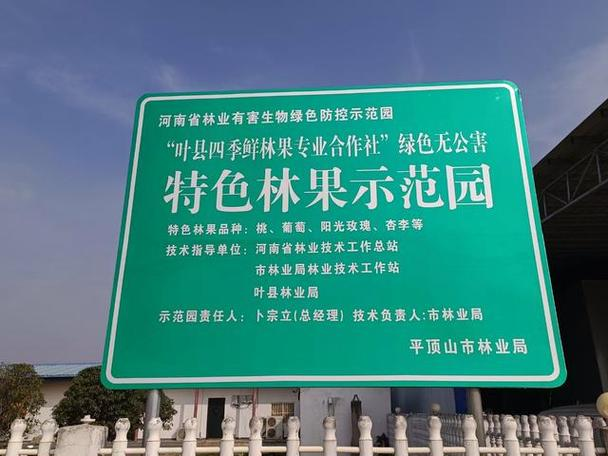
Thirdly, greater investment security. In order to stimulate popular participation and maximize the benefits to farmers, a sum of $4. 08 million has been allocated for special fruit and tree subsidies. At the beginning of last fall and winter, the city of bola and que river county were organized to collect more than 200,000 local white grapes of good quality, entrusting professional cooperatives to order 200,000 white grape trees to be planted in may; hot springs will purchase 15,000 trees such as apples and almonds through marketization. At the same time, a pool of specialists in economic and technical services has been set up at the special forest fruit courtyard, with one rural expert in one village, and technical training and home-based guidance has been introduced. Currently, five training sessions and 1,760 training sessions are organized for forest and grass workers and technicians at the state and county levels。
Fourth is a demonstration lead. In line with the standardization, standardization and development of the specialty forest fruit garden economy, a “one family scheme” has been set up to strengthen guidance in the selection of plots, sheds, seed selection and planting management. Four townships have been selected in each of the cities of bole, que river county and spring county, each of which has selected a three-stree model household for a total of 36 families. In the autumn of last year, on-site training sessions were organized to provide training, field learning and skills upgrading, as part of a mentoring and demonstration lead to the development of a specialty garden economy for neighbouring farmers。
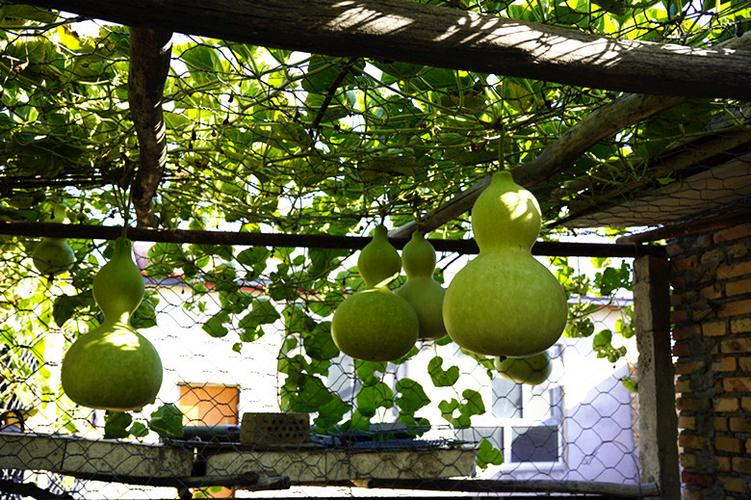
The next step will be to promote the cultivation and procurement of trees at the time node, in an orderly manner, such as distribution to households, standardized planting, laying of vineyards and management of cultivation, and will lead local enterprises to develop a network for the storage, processing, branding and marketing of fruit and fruit in the garden, and to make the economics of the special fruit and fruit garden a reality and promote increased income for farmers and pastoralists。