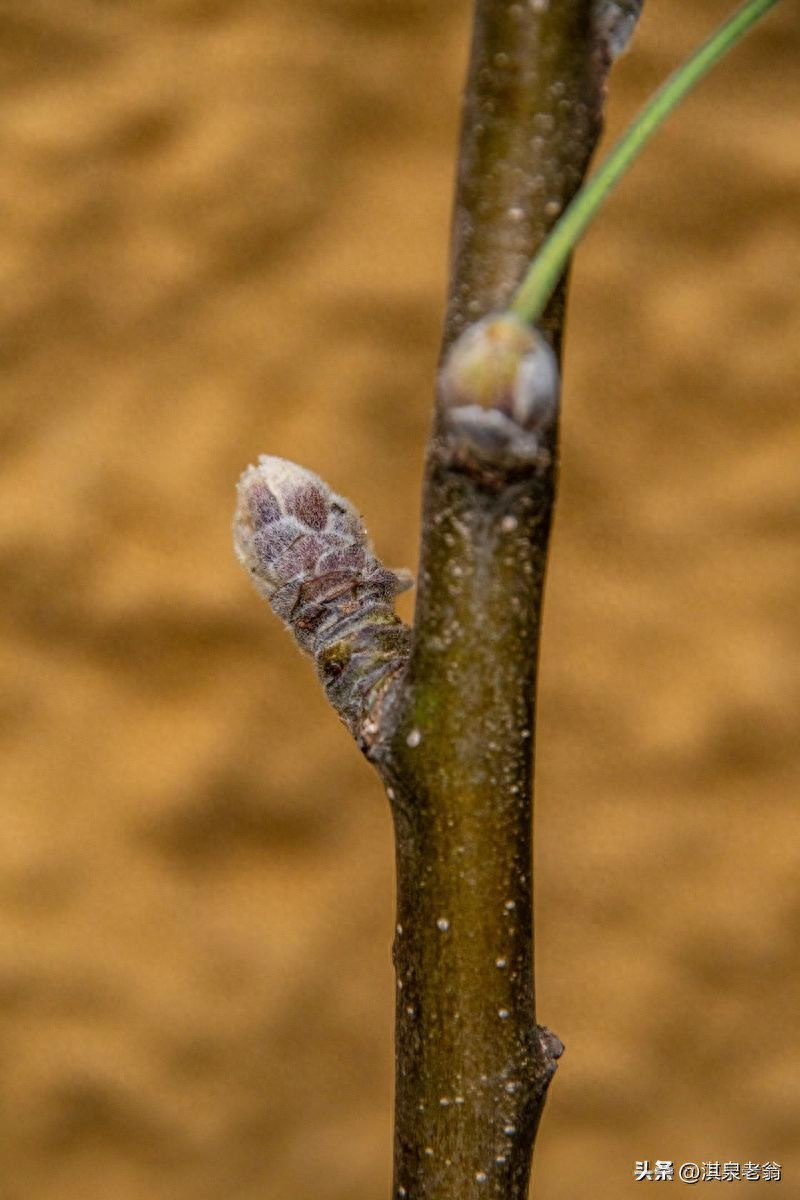
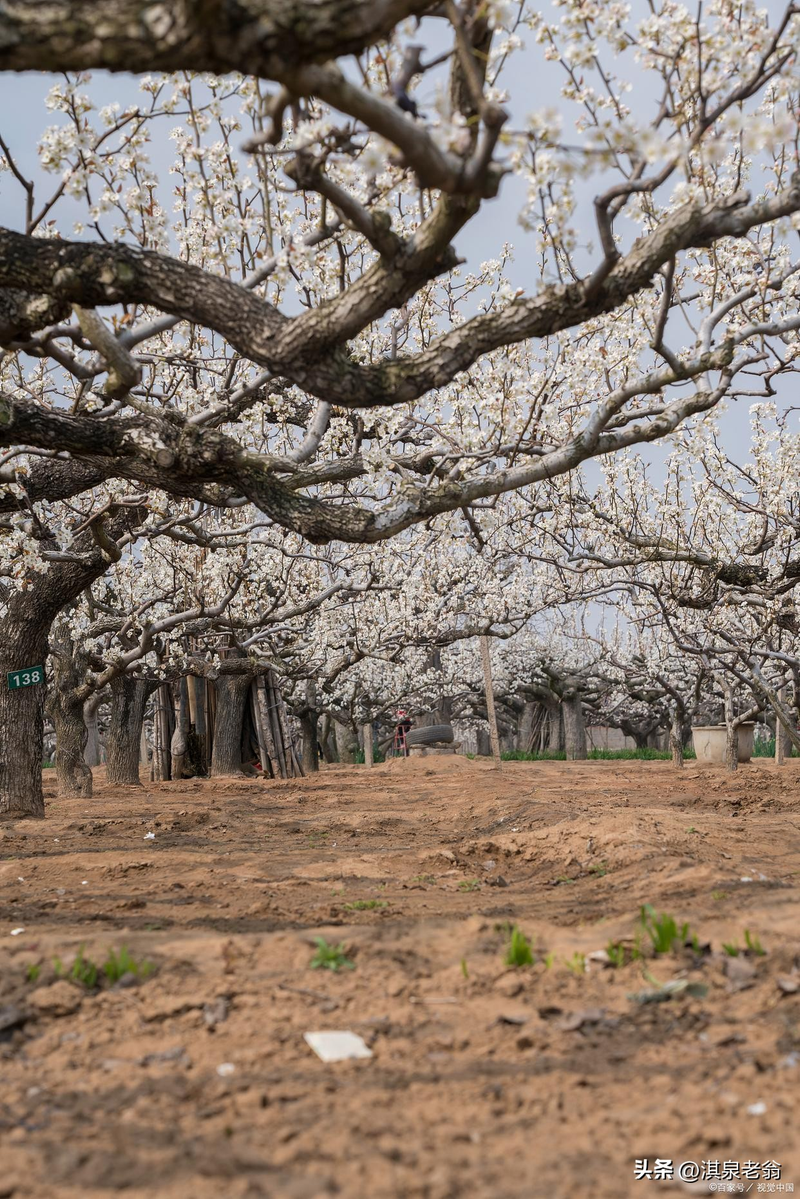
Pear sprouts are a crucial stage in the transition of the tree from hibernation to nutritional growth and reproductive growth, in which the biological activity of the tree is gradually increasing, the buds expand, the scales relax, and the buds grow, both as a basic period for determining the degree of maturity and the new dynamics of the year, and as an important node for the prevention and control of early pests and pests and for the preservation of pollinating seasons. Scientific implementation of embryonic management measures can effectively optimize the distribution of tree nutrients, reduce the winter insect base, improve the quality of buds and lay a solid foundation for the high quality of pear fruit production throughout the year. This paper, which combines pear growth and development characteristics with modern agricultural production technology norms, describes the core management measures of pear growth in terms of nutrient management, water regulation, green pest and disease control, plastic cutting, disaster prevention and mitigation。
I. Precision nutrient management, enabling growth and growth
Pear sprouts, leaves, straws, etc. Require a lot of storage. The collection of nutrients, if not supplied adequately, tends to lead to the growth of the buds, a high rate of weakness, new nuances and even to the subsequent division of the buds and sedentary fruit. Premium nutrient management needs to be based on the principles of “supply on demand, quick efficiency and rational distribution”, balancing nitrogen supply with micronutrient supplementation, while avoiding fertilizer。
(i) fertilizer management: targeted replenishment of quick-impact nutrients
1. Fertilization time: it is desirable to take place during the bulging period, when the absorption capacity of the root system of the tree is gradually restored and nutrients are rapidly delivered to the bud to meet the emerging demand. The premature pursuit of fertility is slow to absorb the roots because of cold temperatures, which do not support the growth of buds in time。
2. Fertilizer selection: based on high nitrogen-type quick-effect compound fertilizer, combined with decomposed organic or biobacterium fertilizers, supplemented by micronutrients such as boron, zinc and calcium. The adult tree can apply 30-40kg compound fertilizer per acre with a 20-10-10 potassium ratio and 500-800 kg organic fertilizer with rotting goat dung and chicken dung; the larvae can be properly reduced by applying 15-20kg compound fertilizer per acre to avoid growing。
3. Fertilization methods: using ditches or caves to dig 20 cm wide, 15 - 20 cm deep or radioactive ditches outside the tree canopy line, so that the fertilizer is ploughed into the ditch, mixed with the soil, and then water is poured into the water to promote its digestion. Direct distribution of fertilizers to the surface is prohibited in order to prevent nutrient loss or burn roots。
(ii) leaf supplementation: rapid alleviation of nutrient deficits
The fast-absorption and high-impact features of leaf-capture fattening can effectively compensate for the lack of soil fattening, especially for the acute demand for trace elements in embryonic trees。
1. Spraying time: 1 to 2 times before budding white to leaf blade expansion, 7 to 10 days apart. The selection of wind-free shades or mornings and evenings to avoid high-temperature and high-light periods of spraying and to prevent the evaporation or burning of the fluids。
Fertilizer ratio: optional urea solution of 0. 3% + 0. 2% potassium phosphate solution + 0. 1% boron sand solution mixed application, or direct choice of pre-emerging foliage for fruit trees. The urea can quickly supplement nitrogen and promote the emergence and growth of leaf buds; the potassium dihydrogen phosphate can increase the resistance of the tree body and contribute to the abundance of the buds; and the boron element can facilitate the extension of the pollen tube and create the conditions for subsequent pollinating sits。
3. Spray highlights: spraying shall be applied evenly on the buds and branch surfaces, appropriate for wetting and ensuring that the fertilizers are fully absorbed. For weak pear trees, the frequency of spraying can be increased appropriately to increase the efficiency of nutrient supply。
Ii. Scientific hydrologic regulation to safeguard the biological needs of the tree
Pear trees require much more water during gestation, and lack of moisture can lead to slow growth of buds, shortness of new ones, and curly leaves, while excessive moisture can lead to reduced permeability, oxygen-depletion of roots and even disease. Therefore, the water needs to be precisely regulated according to soil conditions and weather conditions。
(i) irrigation management: water recharge on demand to avoid flooding
1. Timing of irrigation: timely irrigation is required when the soil layer (0-20 cm) contains less than 60% of the water held in the field. The specific criteria for the determination are that the cropping soil is held in congested and scattered, indicating that the soil is suitable and that if the soil is hard and has no congealed hands, immediate recharge is required。
2. Irrigation methods: prioritize irrigation techniques for water conservation, such as drip irrigation and micro-jet irrigation, that are both accurate water recharge and avoid soil slabs. In the case of unconserved water irrigation conditions, a ditch can be used to dig up irrigation ditches along the canopy drip line at depths of 10-15 cm and water can be wet the root layer (20-40 cm) is suitable to cover the soil in time for water infiltration。
3. Caution: in the event of continuous rainfall, the garden drains need to be routed in a timely manner to remove water accumulation, reduce soil moisture and prevent oxygen deficiency and death。
(ii) conservative measures: reduced evaporation and increased water utilization
After irrigation or rain, cover measures can be taken to reduce soil evaporation while improving soil structure. Common protection methods include:
1. Straw cover: covering crushed corn straw, wheat straw, etc., under the tree crown, with a thickness of 5 to 10 cm, both to protect the plume and to inhibit weed growth, and to increase the organic content of the soil after decay。
Membrane coverage: the selection of a black membrane to cover the soil below the tree canopy can effectively reduce water evaporation and weed breeding while raising soil temperature and promoting root growth. It needs to be noted, however, that covering the membrane requires the presence of vents to avoid high soil moisture。
Iii. Enhancing green pest control and reducing the winter disease base
Pear sprouts are the key window for pest control, when winter pests begin to awaken, with low infestation and drug resistance, and control effects multiply. Control needs to be based on the principle of “preventives, integrated approaches”, giving priority to green controls such as agricultural, physical, biological and, where necessary, chemical control。
(i) agriculture prevention and control: clean orchards to reduce the source of disease
1. Cleaning of gardens: cleaning of dead branches, leaves, diseased fruit, weeds, etc., from the orchards before they are budding, bringing them together for burial or burning, and eliminating the winter bacteria and eggs hidden in them. At the same time, old skins, disease marks on the trunks are scraped, after which the thiomer residues or whites are painted in a timely manner, to protect the trunk wounds and prevent infection。
Soil tillage: a shallow conversion of orchard soil at depths of 10 to 15 cm, destruction of pests in winter sites, and suffocation and death of the disease from the surface of the earth, while promoting abating the soil。
(ii) physical control: safe and environmentally safe, accurate booby traps
1. Light booby traps: installation of frequency-fibrous insecticidal lamps in orchards, use of luminous infestation by pests to kill adult insects such as gold turtles and pear larvae, installation of 1 - 2 pieces per acre, display of heights at 1. 5 - 2 m above the ground, lighting from the evening until the following morning。
2. Stimulant seduction: stimulant bait traps for insects such as pear-eating, peach-eating, larvae-eaters, with 3-5 traps per acre, periodically replacing the embroidery, can effectively reduce the number of adult mated eggs and the risk rate for larvae。
(iii) chemical control: precision in the use of drugs to avoid their harmful effects
1. Period of critical use: lumber swelling to the golden period of chemical control, when application agents can effectively kill winter bacteria and eggs and are more safe for buds。
2. Drug selection:
- prevention and treatment of diseases: three-to-five-perimetric thiomers can be sprayed throughout the garden and can effectively combat various diseases such as pear black star disease, black spots, decomposition, etc.; and three enzyme microbicides, such as peptol and americium, can be used to dilute and evenly spray on the trunk, branch and bud surfaces。
- prevention of pests: insecticides such as aphids and aphids may be used to combat winter insects such as aphids, shellworms and leaf mites。
3. Essentials of use: control of concentrations and uses in strict compliance with the pharmaceutical specifications to avoid any increase in doses leading to adverse effects; attention to the alkalinity of the pharmaceutical agent in combination with the need to prevent chemical reactions from reducing the efficacy of the drug; and the need to be balanced in application to ensure that trunks, branches, buds and ground weeds are exposed to the fluid。
Iv. Integration of fine tree bodies and optimization of canopy ventilation
Pear sprouts supplement and improve the winter trim, with the main aim of adjusting the distribution of tree nutrients, promoting the growth of buds, controlling the long branches, optimizing the canopy structure and creating a good ventilation environment for subsequent flowering. Cuts need to be adapted flexibly to the age of the pear tree, its direction and the characteristics of the species。
(i) precipice trimmed: tree shapes for crown expansion
The larvae trim is centred on the cultivation of bone branches and the construction of rational tree shapes, which are used to facilitate the growth of branches and the expansion of tree canopy in a light-cutting manner。
1. Decoration: for a tree that is planted for 1-2 years, if not yet ready, it can be dried before the bud, with a high control of 80-100 cm, with three-to-five full sprouts under cutting, which promotes the growth of the main branch。
2. Main branch cultivation: short cut of the selected branch extension branch, cutting one third-1/2 of the length of the branch and promoting the growth of the branch; appropriate removal or respite of the other branch and avoidance of competition for nutrients with the branch。
(ii) adult result tree trims: adjust loads and balance tree positions
The adult outcome is trimmed with the objective of regulating the relationship between growth and outcomes, taking into account productivity and stability。
1. Removal of useless branches: timely removal of long, ill and weak branches, cross-cutting branches, overlapping branches, reduction of nutrient consumption and improvement of the ventilation of the crown。
2. Plumb adjustment: appropriate removal of some weak buds from lumbered branches, preservation of the lumbered buds and avoidance of the weakening of the trees as a result of the lumbering results; and promotion of the separation of lumbers by short-term nutrient branches from lumbered branches。
3. Retrenchment update: retrenchment of multi-year outcome branches, cutting of 1/2-2/3 branch length, promotion of new hair, updating of outcome branches, extension of outcome years。
(iii) motion of care
1. Cutting tools need to be disinfected with alcohol or thiomers in advance to avoid cross-infection of the fungus; cut wounds need to be painted in a timely manner to facilitate healing。
The order of cutouts is based on the principle of “first, first, first, first and forth”, avoiding the omission of branches; the strength of the cut is to be adjusted to the tree's position, which can be appropriately re-cuted in the case of strong and weak trees。
V. Disaster preparedness and mitigation in response to early spring and bad weather
Early springs are characterized by high temperature fluctuations, which can lead to adverse weather conditions, such as cold springs, frosts, wind, etc., causing serious damage to pear buds. Early disaster prevention and mitigation measures can effectively reduce losses。
(i) spring cold and frost control
1. Orchard water: three to five days before the onset of the cold, the orchards are pumped with water, using the larger properties of the water than the heat, regulating the temperature of the soil and mitigating the frost。
2. Frozen against the cold: on the night of the frost, smoked materials such as straw, weeds and sawmills are lit inside the orchards, with three-to-five smoked piles per acre, and smoke is used to block the spread of heat on the ground, increase the temperature in the orchards and mitigate the frost hazard。
3. The application of anti-typhoids: one or two days before the onset of the cold, the application of an anti-coolant or 0. 5 per cent sugar cane solution + 0. 2 per cent potassium phosphate solution for the exclusive purpose of the fruit-plant tree, which enhances the resistance of the tree to the cold and mitigates the geront freeze。
(ii) wind weather control
1. Reinforcement of the tree structure: the timely installation of a support frame for the larvae or weaker pear tree to prevent the wind from breaking the branch; and the appropriate removal of parts of the adult tree from the branch and reduction of the crown wind barrier。
2. Soil root protection: before the onset of the wind, earth-breeding was carried out on the backbone of the tree at a height of 15-20 cm to protect the root system against damage to the soil。
Pear seed management is at the centre of all year's management, and measures are rounded up and mutually reinforcing. Farmers need to develop management programmes that are tailored to local climatic conditions, soil characteristics and pear tree growth, and to implement technical measures precisely, in order to effectively guarantee the growth and growth of pear trees and to lay the foundations for productive excellence throughout the year。