


In a globalized business environment, cross-border flows of information and rules have become the norm. As the core pillar of modern corporate governance, risk management and compliance control, the relevant documents and information are delivered across borders with accurate translation playing an indispensable role. This is not just a translation of language, but a sophisticated interface between rules, culture and the legal framework。
The area of risk management and compliance control is essentially a systematic approach to identifying, assessing, responding to potential threats and ensuring that business practices comply with laws and regulations, industry standards and internal policies. It covers a wide range of areas, including financial risk, operational risk, legal compliance, data privacy, anti-money-laundering, etc. When documents in this field need to be converted across languages, their translation has a distinct professional character。
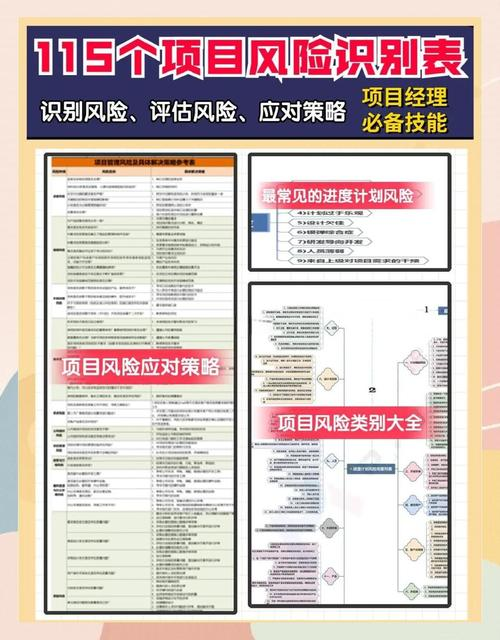
First, the precision and consistency of terms. There is a wealth of specialized terms with specific legal or commercial effects, such as “risk exposure”, “compliance review”, “cautionary measures”. Any mistranslation of the term could lead to misperceptions of policy and even to legal disputes. Therefore, translators need not only high language skills, but also an in-depth understanding of the financial regulations and regulatory systems of the target countries。
Secondly, the rigour and normative nature of the text. Documents such as risk management policies, compliance manuals, regulatory reports, etc., are very logical and complex in structure. Translation must preserve the legal rigour and professional authority of the original language, avoid the use of vague or multidimensional oral expressions and ensure that each article and every statement of the translation is clear and unambiguous。
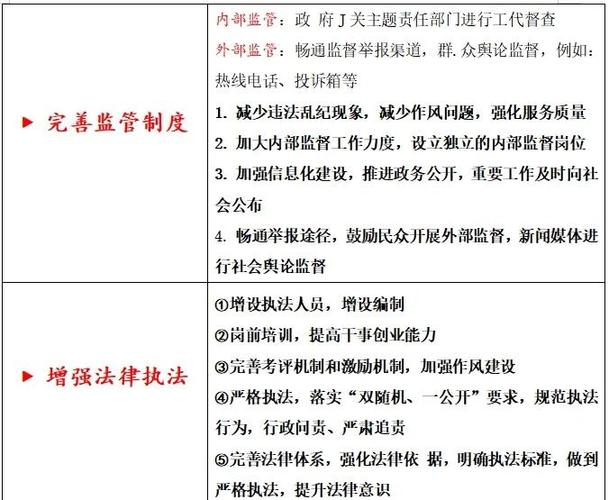
Moreover, it is culturally appropriate. Certain compliance concepts, such as codes of business ethics, may differ in understanding and implementation standards in different cultural contexts. These cultural factors need to be taken into account in the translation process and properly interpreted or adjusted so that the translation is understood and accepted by the reader of the target cultural background, as well as by the correct communication of the original intent。
In modern societies, the importance of risk management and compliance control for translation is increasingly highlighted. Its applications are scattered around the world: when a chinese technology company is required to provide the eu market with data-processing protocols that comply with the general data protection regulations; when a financial institution is required to distribute its anti-money-laundering operations manual to global agencies; and when transnational groups need to harmonize their internal codes of conduct to address regulatory requirements in different jurisdictions, accurate translation is a prerequisite for ensuring that information is synchronized, operationally uniform and avoid risk. Like “standards” in international commercial exchanges, it guarantees smooth and secure operations across borders。
There is a widely publicized case where the value of such translations can be illustrated vividly. A few years ago, an international financial institution planned to enter a new asia-pacific market. In the preparatory phase, its legal team has assigned a core “third-party risk management policy” document to a local translation agency for localization. Because of the lack of a financial compliance background, the key “prohibited transactions” in the document are simply translated into “unpermissible transactions”, a translation that is weak both in tone and legal effect, and fails to accurately convey the hard-line position in the original text of “strictly prohibited and legally binding”。
Local agencies operate on the basis of this flawed translation and have failed to effectively block certain high-risk transactions in cooperation with third parties. Shortly afterwards, a transaction involving sanctioned entities was passed, triggering questioning by regulatory bodies. Although the final crisis was resolved, the agency incurred high audit and overhaul costs. After that, they hired a professional compliance translation team to re-translate and revise all core policy documents, in particular to ensure that the legal force of all prohibited clauses was fully equivalent to that of the original text, thereby fundamentally closing the risk gap created by linguistic ambiguity. This small story reveals in depth that the difference between the term in the area of risk management and compliance may be related to significant financial losses and valuable reputations。



