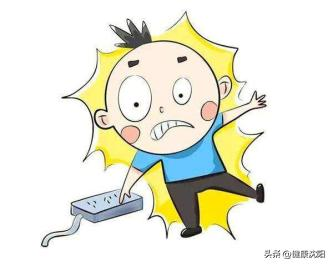
Q: so, what do we do when we find someone with electrocution
A: first, the operator should remove the electrocutor from the power supply as soon as possible。
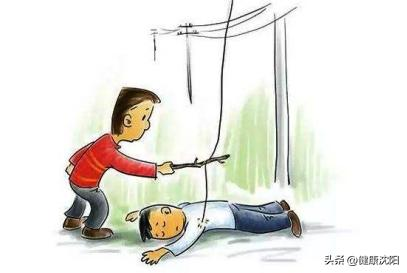
Low-voltage power-to-power contact: can be used by “pull, cut, pick, drag, pad”. When power switches or plugs are in place in the vicinity, the switch should be pulled or the plug removed immediately; the cut is that if the switch is not found, the wire should be cut quickly by an insulation wire or a breaker to break the power; the pick is that, in case of electrical contact caused by damage to the insulation of the steering line, the operator may remove the wire by means of insulation or dry wooden sticks; the pull is that the operator can drag an insulating object, such as gloves or dry clothes on his hands, and can also stand on a dry insulated item, such as a plank or rubber cushion, with one hand to pull the insulation; that is, by trying to put the dry plank under the toucher, to isolate it from the ground, and the rescue person should also be on a dry plank or insulation pad。
High-voltage power contact: when a person is found to be in shock on a high-voltage device, the ambulance should wear an insulation glove, put on an insulation shoe and pull the switch and notify the authorities concerned of the immediate power outage。
Q: what are the ways to get an electric emergency
Response: 1. Simple diagnosis:
1 the electrocutor who is removed from the power supply is moved quickly to the ventilation and drying area, and he/she is reclined and his/her blouse and belts loose
2 see if the pupils of the electrocutor are magnified. When in a state of false death, human brain cells are severely oxygen-depleted, on the brink of death, and pupils are magnified themselves
3 to observe whether the electrocutor is breathing or not and to touch the carotid。
For electrocutors with a “heart rate, stop breathing” the first aid shall be provided by “mouth-to-mouth artificial breathing”:
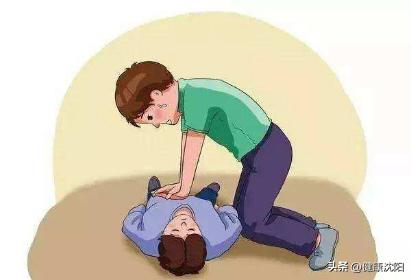
In case of “breath and heart stop” electrocution, the first aid shall be by “pressure on the chest”:
Electrifiers whose “respiration and heartbeat have stopped” should be given first aid using both “mouth-to-mouth artificial respiration” and “pressure to the chest”
Q: what are the concerns after electrocution
Response: the use of hard needles such as adrenaline and cold water is prohibited。
Trauma relief:
1. General trauma face: first washed with sterile biological water or clean, warm water, followed by disinfection bandages or clean cloths
2. Large-scale haemorrhage: immediate pressure on the point of haemorrhage with a clean finger, as well as interruption of haemorrhage with an ambulatory rubber belt. At the same time, hemorrhage is lifted or lifted to reduce the amount of hemorrhage. (b) if the wound is not bleeding seriously, several layers can be stacked with disinfectant gauze or clean fabric, and the bleeding can be contained in the wound under pressure
3. Broken bones due to electrocution: blood should first be stopped, bandaged, then the fractures should be temporarily fixed and sent to a hospital with items such as planks, poles and sticks. In the event of a fracture of the vertebrae, the injured person shall be laid down on a hardwood plate, and the body stem of the vertebrae and the lower limbs of both sides shall be fixed to prevent paralysis, and the lifting shall be carried with the cooperation of several persons and shall be stable and non-distorting
4. Brain trauma: the wounded should be flattened and the airways kept open. In the case of vomiting, the head and body should be held together with the other side to prevent asphyxiation from being caused by vomiting. When liquids come out of the ear or nose, no cotton should be clogged, but only light-swab to reduce internal pressure。
Note:
1. Ambulance personnel shall not touch the wound with their hands, nor shall they use any medication on the wound。
2. In the event of a brain trauma, the condition may be complex and variable and it is prohibited to give food and to bring him to hospital for treatment。