If mankind were to remain on the moon for a long time, one of the most realistic questions would be: what do astronauts eat
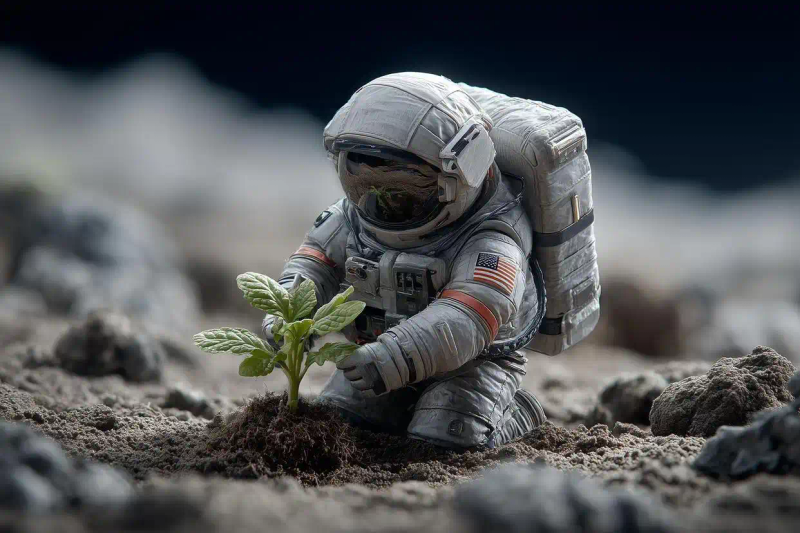
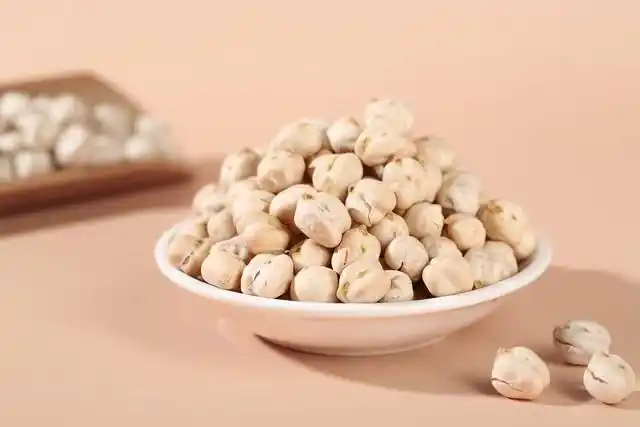
A recent new study offers an interesting answer -- the eagle bean. Eagle bean is a bean food that resembles a eagle's mouth, is nutritious (high protein, high fibre), has a soft sense of mouth and is often used to make salad, stew or hawk bean mashed。
Researchers successfully planted and harvested eagle bean in a simulation of the “lunar soil”. This is the first time that scientists have completed a full growth experiment for this crop in a simulated moon-border environment. The results were published in the journal scientific report。
The core issues the team wanted to address were, in fact, straightforward: can humans grow food directly on the moon if they want to live long
The surface of the moon is covered by a loose layer of material known as the lunar weather layer. These materials consist of rock fragments and dust, which look like soil, but are very different from the real soil of the earth. It has little organic matter and no microbes, which are essential for plant growth。
Even more problematic is the presence of heavy metals in the lunar weather layer that may inhibit plant growth。
In order to study whether plants can adapt to this environment, researchers have used a specially manufactured “lunar border simulation”. The mineral composition of this material is very close to the moon sample that the apollo mission brought back to earth。
It is clear that this material alone cannot support plant growth and researchers have attempted to modify it. They added earthworm dung to the simulation moon。
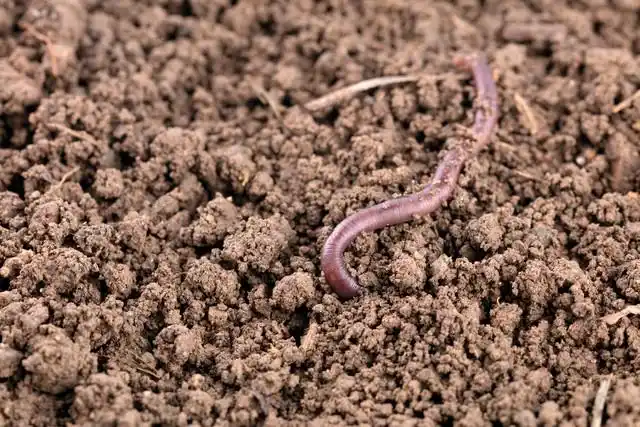
Earthworm manure is a natural fertilizer rich in nutrients and also contains a large number of microorganisms. Researchers envisage that, in future moon bases, organic waste produced by astronauts — such as food residues, cotton fabrics and even hygiene supplies — can be converted into this fertilizer through earthworms and used for crop cultivation。
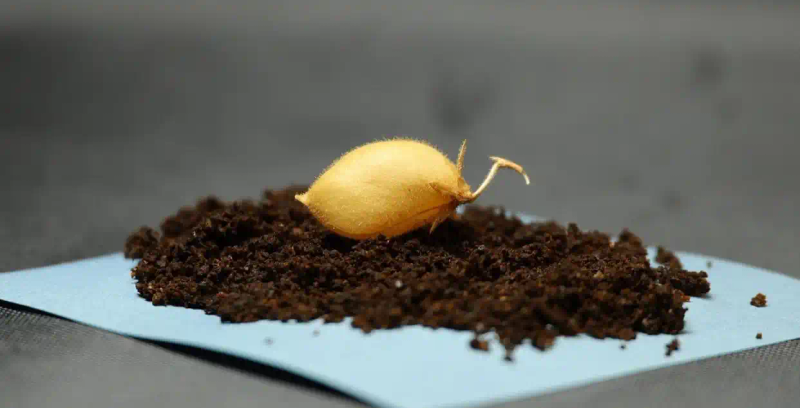
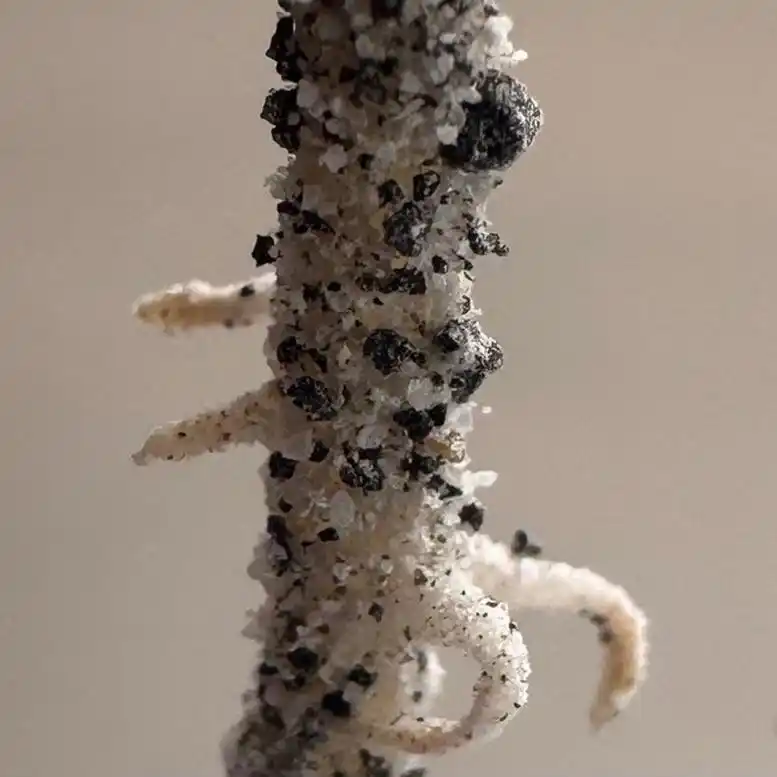
The team also added a layer of “biological helpers” to the eagle bean seed. They covered the surface of the seed with a scrawl of fungus. Such fungi can symbioticate with plant roots, helping plants to absorb nutrients more efficiently, while also reducing plant uptake of heavy metals from soil。
Experimental results show that eagle bean is still able to grow and complete its life cycle successfully in a mixed matrix containing about 75 per cent of the simulating moon. But if the percentage continues to increase, plant growth will be significantly affected, even before death。
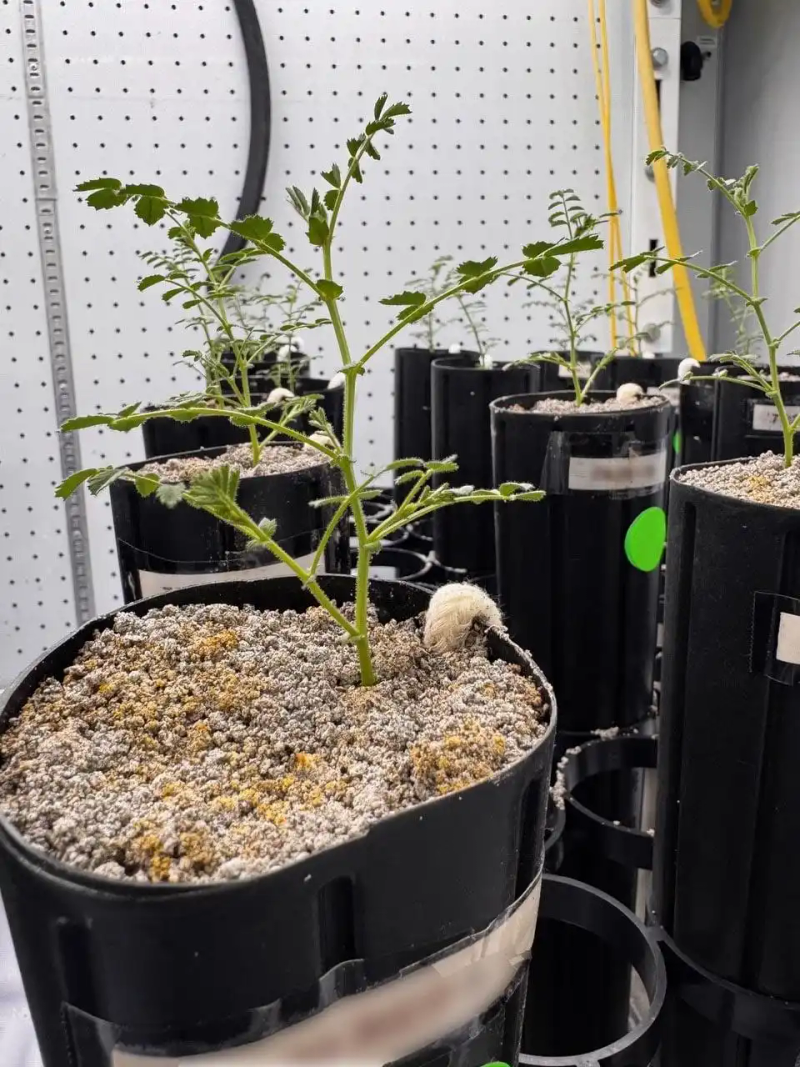
Researchers have also found that fungi-treated plants live longer and grow better. This suggests that microorganisms may be an important factor in maintaining stability in agricultural systems in a moon-like environment。
Another notable finding is that these fungi can also be successfully cultivated and survive in the simulation of the moon. This means that if such microorganisms are introduced into the lunar agricultural system in the future, it may require only one vaccination。
However, the success of the experiment does not mean that the eagle bean can already reach the astronaut's table。
The next task for the researchers is to analyse whether these plants have absorbed hazardous metals from the simulation of the moon, while assessing their nutritional value. They will be a source of food for the future moon base only if they are recognized as safe and able to provide sufficient nutrition。
Although there is still a long way to go before the true “lunar farm”, this study at least proves one thing: even in an entirely alien environment, through appropriate adaptation, human beings still have the opportunity to build new agricultural systems。
Perhaps one day, when astronauts stand in the greenhouses of the moon base to harvest the first fresh crops, the ability of humans to survive in space in the long term is a truly crucial step。
High-quality graphic support schemes