The working principles of the electromagnetic brakes rely primarily on the interaction of electromagnetic sensors and magnetic fields to achieve the cessation or deceleration of mechanical parts. Specifically, when the magnetosphere is electrocuted, a magnetic field is created, which attracts the cortex, which in turn achieves a brake effect through the connector. In different devices, the brakes are different。
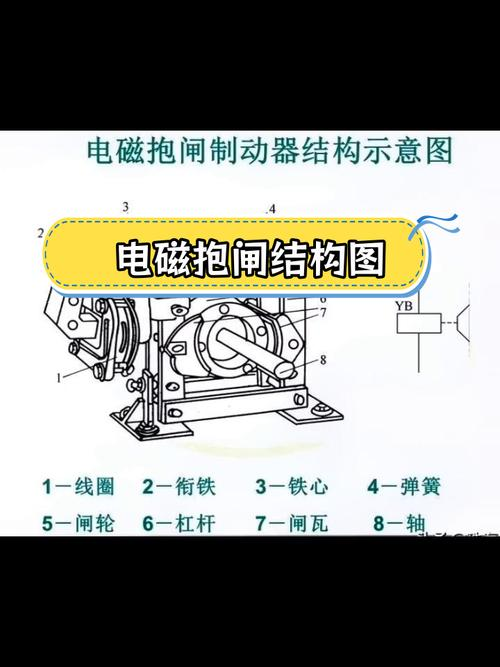
For example, in the electromagnetic powder brakes, when the magnetosphere is electrocuted, magnetic fields are created that cause magnetization of the powder to aggregate. These aggregate magnets achieve a brake effect by relying on their combined strength and friction with related components. In the vortex speeders, when the wiring flows into the direct stream, magnetic fields are created and brake circuits are formed. The brake circuit works when the vehicle needs to slow down, and when the power is out, the brake is activated。
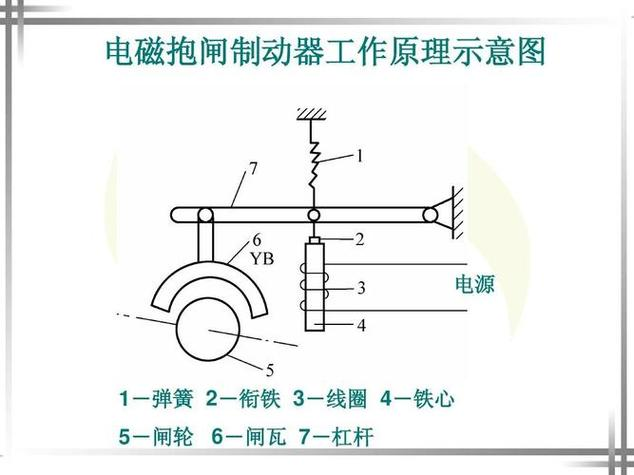
When electro-magnetic brakes are activated, currents flow through magnetic wires, generating electromagnetic force that absorbs brake blades, at which point the transfer axis can function or activate. Once the current has been cut, the brake blade will be removed from the brake plate, and the friction rectangular generated between the two will allow the transmission axis to quickly stop moving。
In the field of drilling engineering, turbo-magnetic brakes use rotors to cut magnetic lines, generate electric vortex flows and then create counter-twirling rectangles as a means of precisely controlling the drilling speed. The use of electromagnetic brakes is also very widespread in recreational facilities such as roller coasters, which generate vortex through metallic cutting of magnetic sensor lines and create a magnetic field to resist movement, thus generating power. However, when the speed is reduced to a certain degree, other brakes need to be matched。
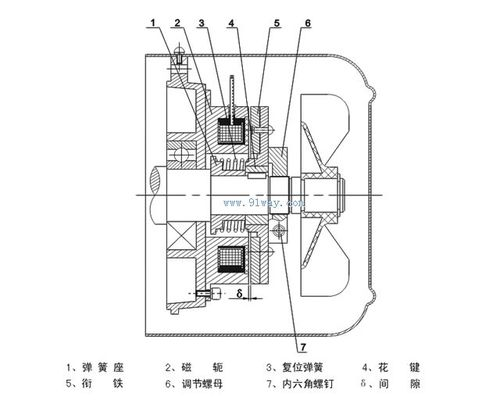
The electromagnetic brakes, by virtue of their unique electromagnetic sensing and magnetic field interactions, play a brake role in many scenes, whether common industrial equipment or complex recreational facilities, and can rely on their working principles to provide strong guarantees for the stable operation of mechanical systems as essential components in the field of modern mechanical brakes。