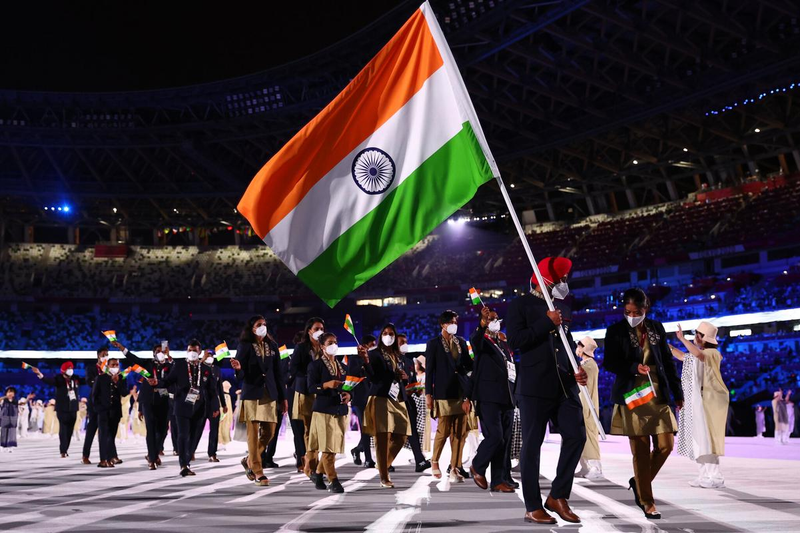
Under the copyright act, original creations are eligible for protection from the date of their creation. This protection grants copyright holders the right to work (whether in theatre, music, literature, art or film), including but not limited to the use, commercialization, reproduction or creation of derivatives, modification, licensing of third parties and partial or total transfer of rights. In the field of sports, a sporting event has many components, including works of art, logos, slogans, marketing programmes, photographs of players or events, broadcasting rights, digital distribution, etc., which are protected by the copyright system. For example, under the copyright act 1957, broadcasters are granted a unique statutory right, known as the right to reproduce broadcasting. This right enables authorized broadcasters to prevent others from copying, rebroadcasting or distributing their broadcast signals without authorization. While sports events themselves are not owned by anyone as public events, broadcast signals and related audiovisual content are protected by law。
Athlete identity and unauthorized commercial use
The right to protect the personality of athletes plays a very important role in the process of “branding and monetizing individual athletes and teams”. Although indian law does not yet have a specific statute known as the “right to personality” or the “right to public”, cases involving the names, images or identification of athletes have been heard by the courts in accordance with established civil law principles. In sunil gavaskar v. Cricket tak & ors., the high court of delhi confirmed the plaintiff's “right to personality in all aspects of his identity” and issued an interim order prohibiting the defendant from using his name, image and portrait for commercial purposes without authorization, including the sale of related goods and the publication of relevant material, and requesting the removal of such tort material。
Patent law
Advances in innovative technologies have driven the field of sport from basic sports to scientifically supported methodological approaches. For example, sports equipment integrated into sensors and communication technologies can help athletes to assess their performance and identify areas for improvement, thereby raising the level and quality of sport events。
Appearance design
Industrial design also affects the field of sports, as they determine the appearance and beauty of sports equipment or goods. These have added uniqueness, making products more attractive and market-competitive and enhancing their economic value。
Licensing and licensing of sports
Intellectual property is an asset of the creator and can be commercialized, i. E. The creator can sell or license the use of the intellectual property to third parties in exchange for value. In the field of sports, intellectual property rights (such as the right to broadcast sports events, goods related to teams and clubs, the right of athletes to personality, the right to sponsor sports events, etc.) are usually an important aspect and often the subject of legal disputes. Therefore, in the field of sport, people must develop well-developed agreements and contracts that clearly define the intellectual property rights of all stakeholders。
Conclusions

Intellectual property permeates almost every aspect of the modern sports industry, from the branding of teams and athletes to commercialization of broadcasting and technological innovation. These legal protections help to ensure income flows, protect reputational values and stimulate creativity and investment. Stakeholders, including teams, athletes, sponsors and media partners, must therefore understand and actively manage their intellectual property assets to flourish in this competitive environment。