Characteristics of intellectual property
(1) intellectual property as an intangible property
(2) the proprietary character of intellectual property
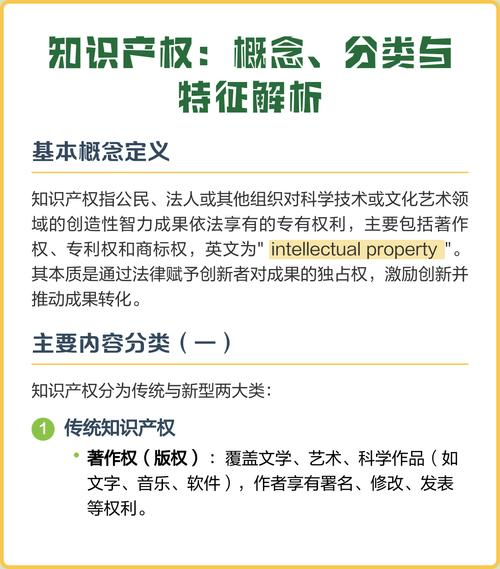
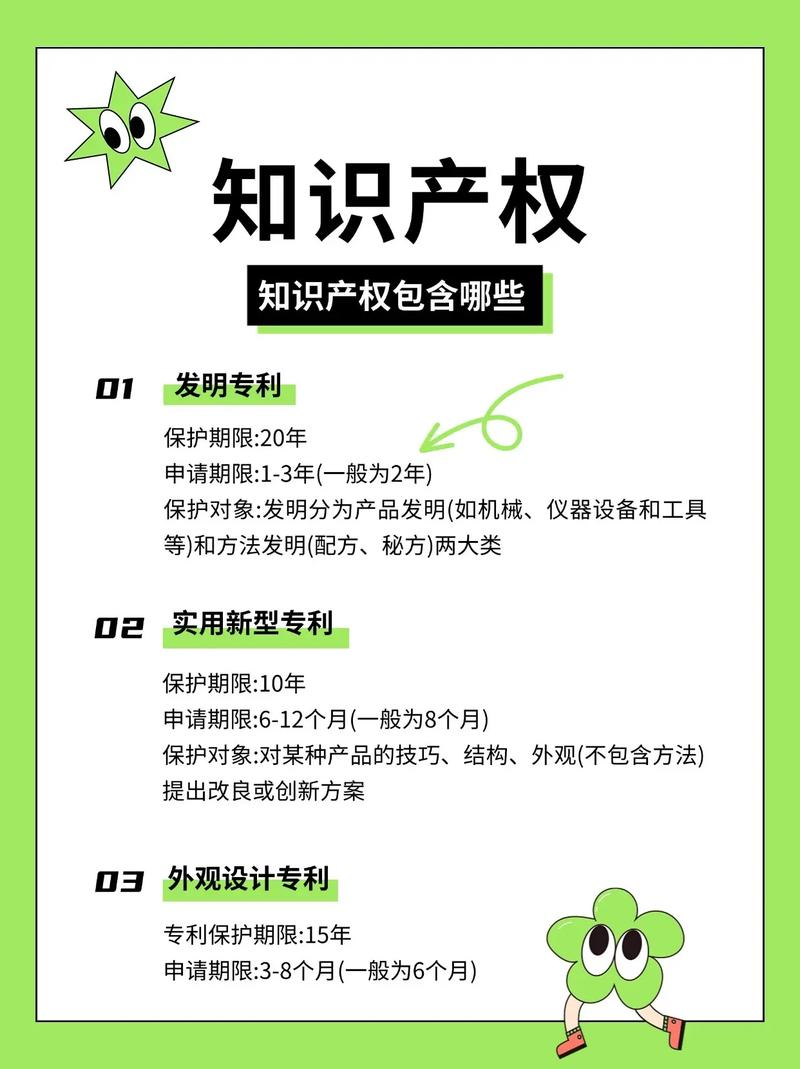
(3) the temporal character of intellectual property rights
(4) geographical characteristics of intellectual property rights
(5) acquisition of intellectual property requires statutory procedures
Exclusive, i. E. Exclusive or monopolistic; no one may enjoy or use that right except with the consent of the holder or as provided by law. This suggests that the exclusive rights of rights holders are strictly protected from violation by others. Only legal procedures such as “compulsory permits”, “expropriation”, can alter the exclusive rights of rights holders. The object of an intellectual property right is the intellectual product of a person and is neither a person nor a person, nor a physical or intangible person from outside, and thus neither a personal right nor a property right. On the other hand, intellectual property rights are a complete right and are only economic and non-economic in nature as part of the rights, and therefore cannot be described as a combination of two types of rights. It is not correct, for example, to say that copyright is a combination of copyright rights (or rights to personality, or moral rights) and copyright rights. Intellectual property rights are rights of both an economic and non-economic nature that are more complex in content (multi-power). Thus, intellectual property rights should be separate and distinct from the rights of personality and property。
Geographicality, i. E. Only within the territory recognized and protected; i. E., a right protected by the law of a state produces legal effects only within that state, except in the case of an international convention or bilateral reciprocity agreement. Thus, intellectual property rights are both geographical and, under certain conditions, international。
Time-based, i. E. Protection only for specified periods. In other words, the law provides for a certain period of time for the protection of rights, the length of the period of protection may be uniform or not identical in national law, and a single period of protection for a given right may exist only when an international agreement is concluded or an international application is made。
Intellectual property rights are absolute rights, similar in some respects to ownership rights in rem, such as the right to direct control of the object, the possibility of use, the proceeds, the disposition and other kinds of domination (without problems of possession); exclusive; transposition (including inheritance)。
Intellectual property rights are restricted by law in several respects. Although it is a private right, and although it is recognized by law as exclusive, the law imposes numerous restrictions on intellectual property rights because of the highly public nature of human intellectual achievements and their close relationship with the development of social culture and industry, which make it inappropriate for any person to have permanent exclusive possession:
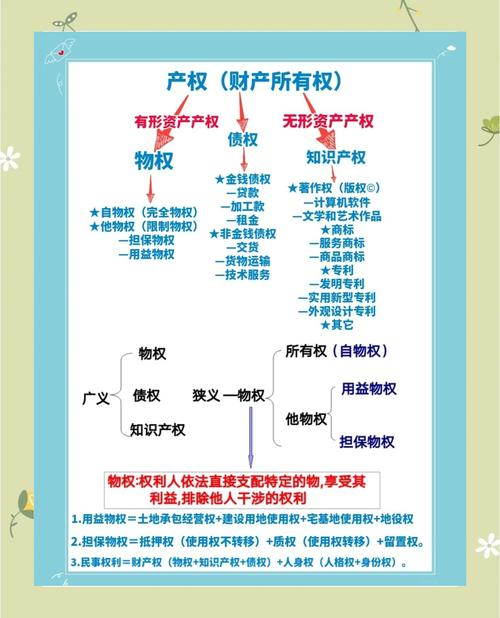
First, in terms of the existence of rights, the law provides for various positive and negative conditions and publicity methods. For example, patents are subject to application, review and approval, and conditions are imposed on inventions, practical novelties and visual designs in which patents are granted (see para. Articles 22, 23 of the patent act, which does not grant patent rights in certain matters (article 25 of the patent act). Despite these limitations on copyright, there are also limitations on copyrights under articles 3 and 5 of the copyright act。
Second, there are special provisions in the law for the duration of rights. This is a significant difference between intellectual property and ownership。
Thirdly, rights-holders have certain obligations to use or implement. The law provides for compulsory licensing or compulsory licensing. In the case of copyright, the law also provides for a system of reasonable use。