The key to reducing parents ' anxiety about their children's studies is to adjust their mentalities, optimize their family environment and create synergy with schools. The recent introduction of the “21-point-a-night melting” mechanism in primary school, which was intended to provide children with sleep relief, has led many parents to stop their pens, fearing that they will fall out of line, or that they will fall behind。
Reducing this anxiety requires a systemic change from inside to outside。
Attitude adjustment: putting down the more persistent
Much of the anxiety stems from a single evaluation of the “score-only theory”. Parents may wish to move from a “score ranking” to a “growth panorama” - if the child does not attend school for a while, but has flashpoints in the fields of art, sports and so on, helping him to find love and value, he can gain self-confidence in his area of competence. Looking at a child from a developmental perspective: life is a marathon, and a period of backwardness does not mean a permanent backwardness, a focus on strengths and a greater sense of joy for parents。
More importantly, parents should devote part of their energy to their children and use it to promote themselves, for example by setting personal learning goals, which enhances their sense of value and avoids shifting undesired aspirations to children. When parents learn to appreciate the child's efforts and modest progress, rather than simply staring at achievements, anxiety is naturally diluted。
Family time and space: delineation of areas of relaxation
Intergenerational transmission of anxiety can be effectively inhibited by creating “time and time without education” in the family. This can be done in particular by:
It is also crucial that parents manage their own emotions. When you feel anxiety out of control, you can leave the scene to calm down, and then you can frankly express your feelings rather than blame, for example: “i see you play a long game, a little worried, but learning is your business, and i'm sure you can handle it. Such “non-cross-border” support can stimulate the child's internal drive。
Home schools working together: building a line of reduction
The real downside cannot be left to the parents alone, more so in schools. It requires schools to optimize their work design, refuse to repeat the puzzles, and improve the efficiency of the classroom so that children learn and learn in school。
Some schools have been exploring the introduction of grade evaluation in the city of jilin, the abolition of the lower grade paper and pen examination, and the use of games such as the ice lodge, which have helped to free parents from scores of anxiety and focus more on the full development of their children. At the same time, parents should avoid “school deductions, family additions” - which are difficult to reduce when schools are short of homework and add “mother card” or extracurricular classes。
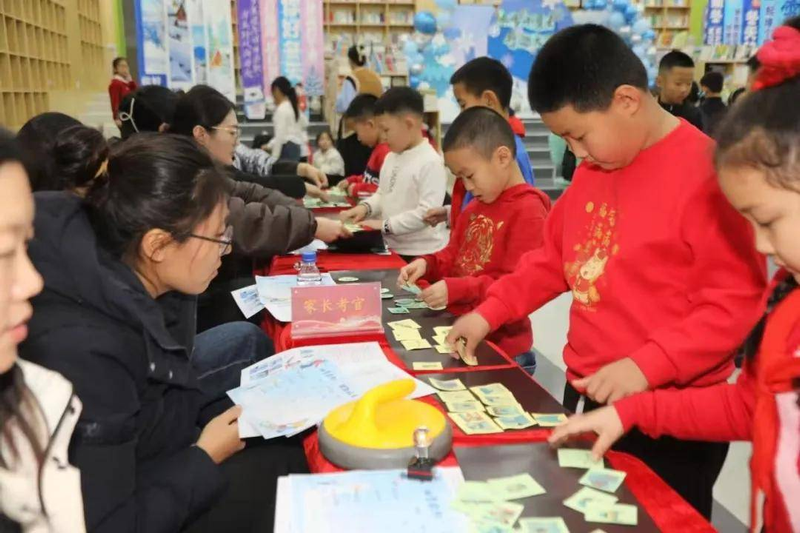
Home-school communication should also shift to a “pressure-free” approach, where teachers provide more constructive feedback than simply pressure to discuss growth strategies。
The growth of the child is made more comfortable when parents stop staring at the time when the lights are out and work with the school to solve the problem。