General knowledge of fire safety
I. Compliance with fire safety
Self-fulfilling fire laws and regulations, enhancing fire awareness, focusing on fire work, not playing with fire, and not playing with electrical equipment。
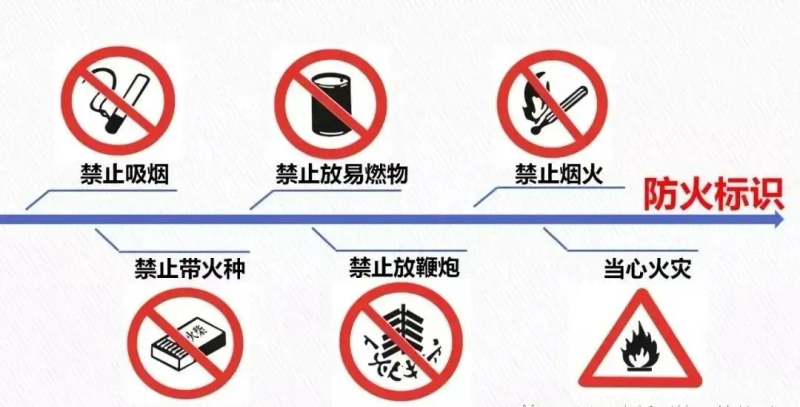
Ii. Understanding fire safety markers
Knowing fire signs, what's a safe exit, what's an evacuation direction, what's not playing, what's dangerous。
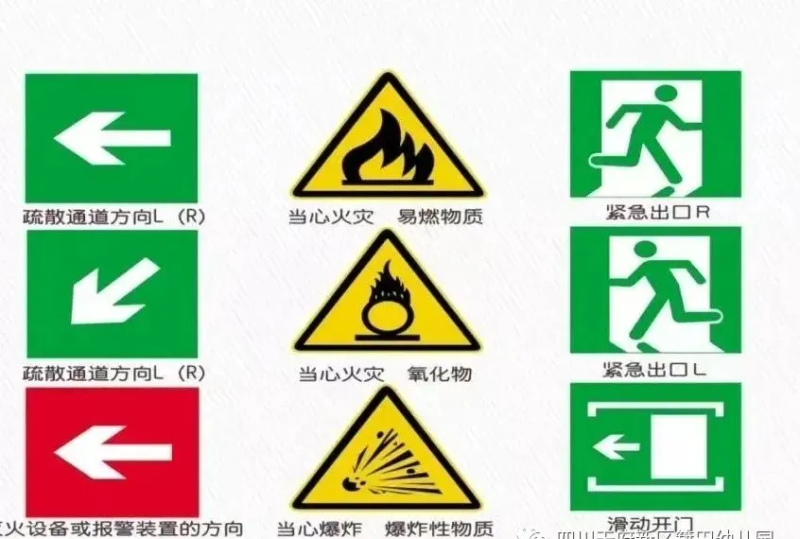
Iii. Getting the right way to escape
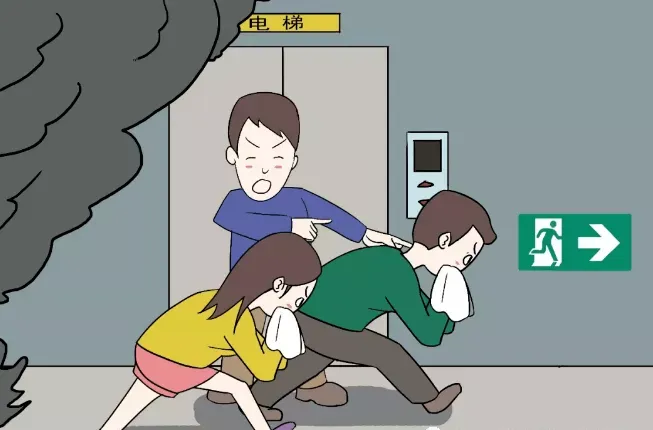
Correct escape method: when a fire occurs, know how to cover your nose with wet towels to protect yourself from harm. It is common sense to know that fire risks can save themselves, to remain calm and calm in the event of a fire, not to panic, and to escape or wait for help as quickly as possible, in accordance with the correct method of escape。
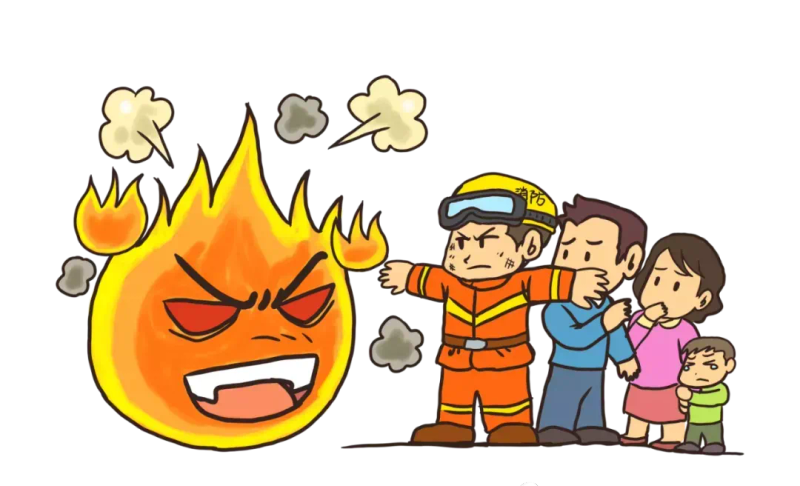
Iv. Fire safety “four sessions”
Knowing the danger of fire, they call the police
(b) the use of fire extinguishers is understood to prevent fires
(b) knowledge of fire-fighting methods that can put an end to initial fires
You know how to escape fire, you escape。
119
Home safety
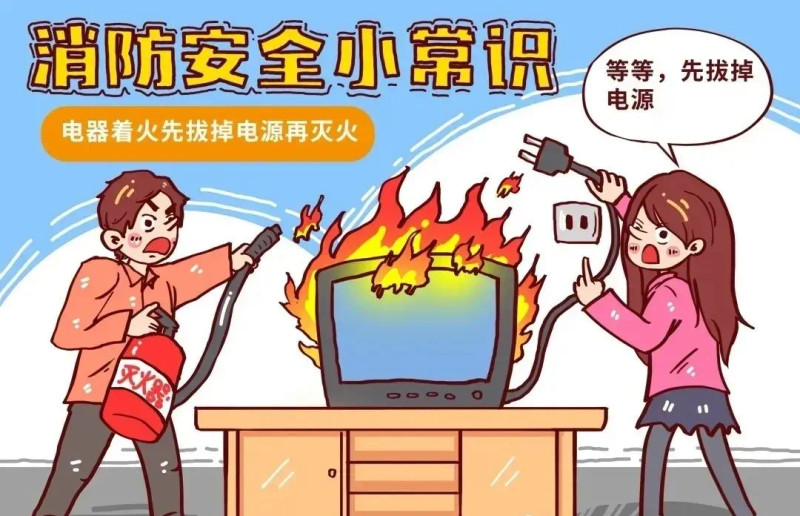
1. When domestic appliances, such as televisions, air conditioners and mobile chargers, are not used, power plugs are removed to avoid short circuit fires。
2. Checks for ageing, breakdown of electrical lines and overloading of electrical lines。
3. Inflammables such as alcohol84 disinfectant chemicals and lighters shall be stored in a safe location. Use it far from the open fire。
4. Checks whether gas pipelines are installed in a robust manner, whether the hoses are ageing or leaking; whether the stoves are well ventilated。
5. Do not place flammable materials such as newspapers, magazines, etc. Next to stoves, heaters, etc。
To remove power switches before bedtime or out, to put out light fires, and to turn off gas stoves。
7. Fires are prevented by prohibiting the charging of electric vehicles in corridors, stairwells and safe exits。
119
Fire escape is of particular interest
1. The fire shall be carried out in a swift escape and shall not be carried by elevator and shall immediately proceed to a safe exit。
2. The proper use of fire extinguishers is required to be familiar with the escape route of the place of residence and to clarify the location of the fire extinguishers。
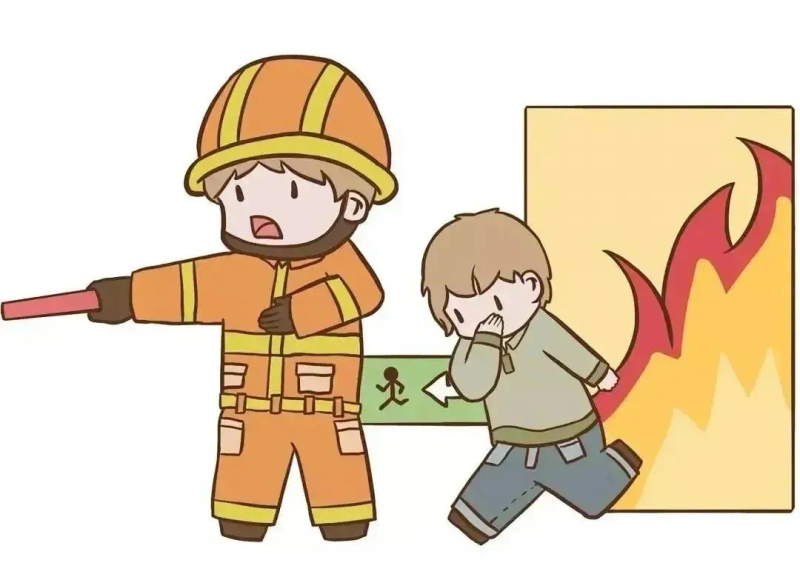
There is a fire outside the house, with wet blankets, clothing, etc., blocking doors and windows and pouring water down。
4. Sending a distress signal outside the window with flashlight lighting, waving clothes, calling, etc., pending rescue。
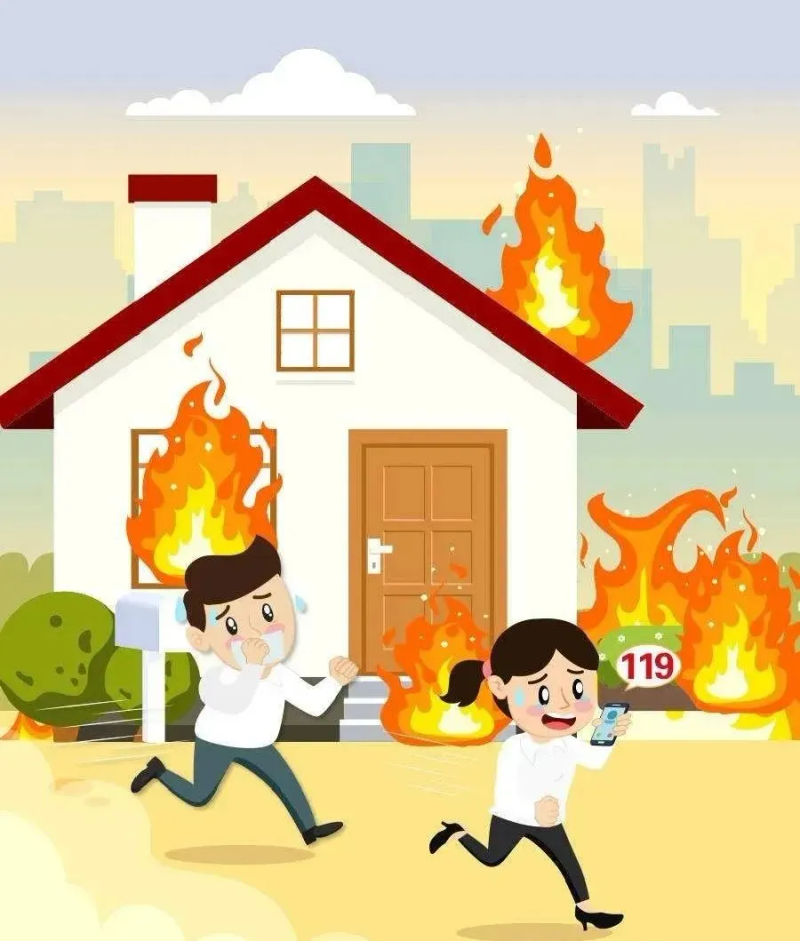
5. The police are to be informed of the details of the address, the location of the fire, the substance on fire, the size of the fire, the name and telephone number of the person calling the alarm, and to send someone to the road to meet the fire truck。
119
Daily fire prevention
No fire, no fire-related dangerous items such as lighters, mosquitoes, firecrackers, etc。
2. Do not play with electrical equipment and do not use multiple electrical equipment in one plugin。
3. To inform adults in a timely manner when mars or smoke is found somewhere。
When you see a cigarette thrown by an adult, you have to remind him to do so or to do so himself。
5. Actively move away from ageing circuits and alert families to replacement。
6. Family members are reminded to check whether electrical appliances are out of power, whether gas valves are closed and whether the open fire is extinguished。
7. Non-flammable explosive substances are not released to fire sources, and families are reminded。

Last words
We need to clear the fire in time
It's an effective way to stop fire incidents
Let's join hands
Creating a safe living environment
Fire safety content
1. Improved capacity to detect fire hazards, improved capacity to respond to initial fires, improved capacity to organize evacuations of populations and improved capacity for fire awareness training。
2. Basic fire-fighting knowledge, methods of use of fire-fighting facilities, life-saving capability, detection of fire hazards, rescue of initial fires, evacuation of personnel. How the fire extinguisher was used: the fire extinguisher went about 3 metres to the source of the fire, pulled out the safe, pointed the nozzle to the root of the fire, and pressed the pressure point back and back for use。
3. No fire in daily life, no electrical equipment, no cigarette matches in garbage cans, all electrical appliances must be cut off before going to sleep, and no flammable explosive objects should be stored in the public hallways of the stairs, etc。
Fire safety. We should do this

I. Compliance with fire safety requirements
Self-conscious compliance with fire laws and regulations, increased fire awareness and emphasis on fire work. Tell the kids not to play with fire, not with electrical equipment, or they'll get hurt。
Ii. Understanding fire safety signs
To teach children about fire signs, what are safe exits, what are evacuation directions, what cannot play and what are dangerous。
Iii. Capturing the right way to escape from fire
Teach children the right way to escape, tell them how to cover their noses with wet towels to protect themselves from harm when a fire occurs. It is common sense to know that fire risks can save themselves, to remain calm and calm in the event of a fire, not to panic, and to escape or wait for help as quickly as possible, in accordance with the correct method of escape。
Iv. Fire safety “four sessions”
I'm going to teach the kids about fire safety
Knowing the danger of fire, they call the police
(b) the use of fire extinguishers is understood to prevent fires
(b) knowledge of fire-fighting methods that can put an end to initial fires
You know how to escape fire, you escape。
Fire-fighting little knowledge

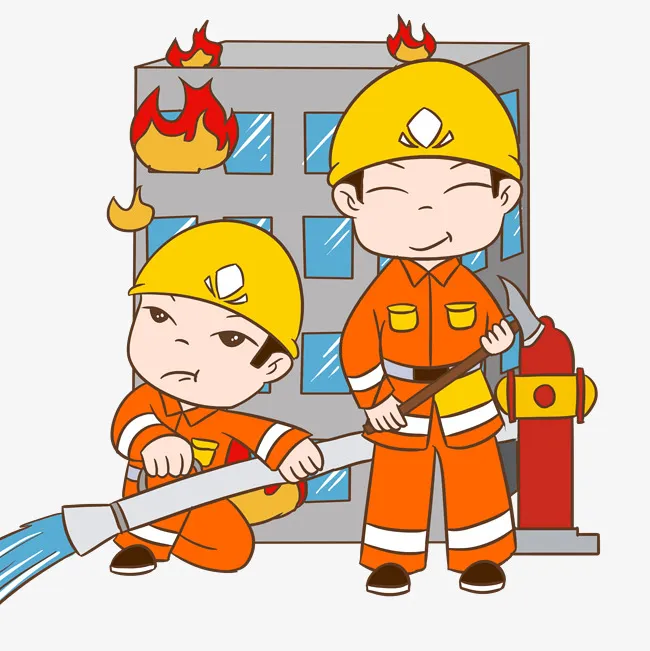
1. The fire was quickly detected by dialling the fire alarm number 119. The police are required to provide details of the address, the location of the fire, the substance of the fire, the size of the fire, the name and telephone number of the person calling the police and to send someone to meet the fire truck at the intersection。
2. The gas tank is on fire, which shall be extinguished with wet blankets, clothing, etc., and the valve shall be closed promptly。
3. Fire in domestic appliances or circuits by cutting off the power supply and then extinguishing the fire with dry powder or gas fire extinguishers, and not by direct pouring water in order to prevent electrical or electrical explosions from causing injury。
4. Do not turn open windows when fighting the fire in such a way as to prevent air confrontation and accelerate the spread of the fire。
Fire prevention
No fire, no fire-related dangerous goods such as matches, lighters, candles, mosquitoes, firecrackers, etc。
2. Do not play with electrical equipment and do not use multiple electrical equipment in one plugin。
3. To inform adults in a timely manner when mars or smoke is found somewhere。
When you see a cigarette thrown by an adult, you have to remind him to do so or to do so himself。
5. Actively move away from ageing circuits and alert families to replacement。
6. Family members are reminded to check whether electrical appliances are out of power, gas valves are closed and the open fire is extinguished。
7. Non-flammable explosive substances are not released to fire sources, and families are reminded。
8. Do not place flammable materials such as newspapers, magazines, etc. Next to stoves, heaters, etc。
It's a little common sense you have to know about a fire
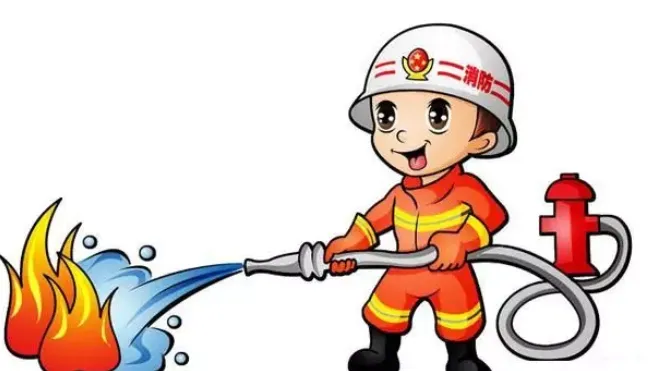
1. When a fire strikes, it is necessary to flee quickly and not be greedy。
2. No elevators may be used in case of fire and escape to a safe exit。
3. When the fire is not too high, it should run quickly downstairs along the fire escape。
4. When escaping through smoke, keep your body as close as possible to the ground and cover your mouth and nose with wet towels。
5. Do not jump off buildings blind, and use evacuation stairs, balconyes, water pipes, etc. To save their lives。
6. The security awareness must be strengthened, and there must be no slackening of the fire。
7. In danger, they should be evacuated as soon as possible, without shyness or concern for valuables. Those who have fled are not allowed to return to danger and find themselves。
8. Acquaintment with the environment, evacuation routes, safe exits and stairwells, etc., so as to be able to flee the scene as quickly as possible at critical times。
9 stairs, passageways, safe exits, etc., should be guaranteed unimpeded access and must not be stacked or locked to allow safe and rapid passage in emergency situations。
10. When the fire is smaller, fire-fighting tools are used to extinguish small fires in a timely manner. And do not panic and cry, and light fire, and cause a great calamity。

The damage from the fire
Everybody knows
But it's often ignored in everyday work
To be replaced by carelessness and luck
It's always been an accident
Losses
I'll come back and wake up
Let's take practical action and measures
And we're going to work on fire safety