Many parents are confused by the fact that they are too well-managed, fearing that the child will be under too much pressure and no opinion; that they will be relaxed, and that the child will not be able to find the law. In fact, the best home education is not a “pressure module” nor a “shelter”, but rather a “field of practice” for children to grow up。
In order to be reasonable, we must avoid two extremes。
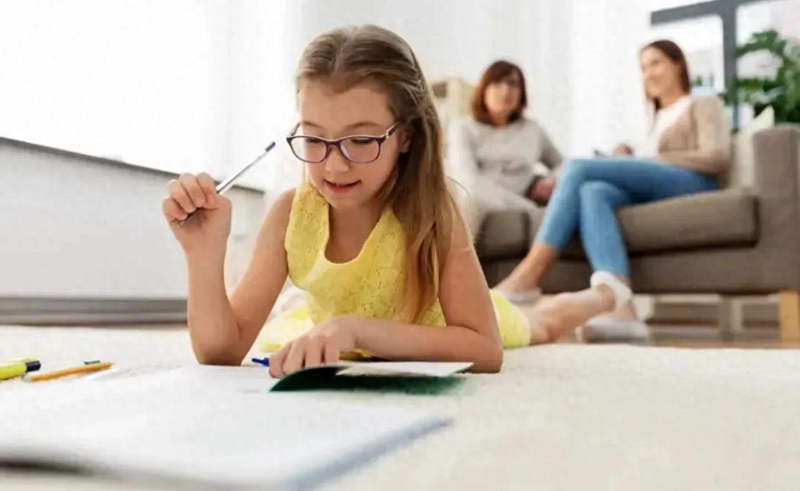
One is "overpressurized". Some parents fill up their children's studies and have a fever of 39°c to stay in school for fear of falling behind. The consequence of this is that children feel that they deserve to be loved only when they have a good test, and when they experience frustration, they can easily deny themselves, and eventually become “empty people” who only make questions。
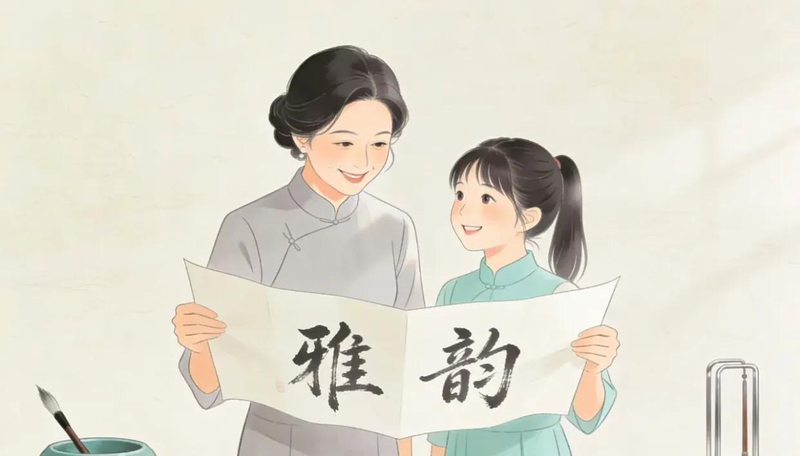
The other is "excessive decompression". Some parents, fearing that their children will be tired, have to do everything in place, and even children and classmates have to go to school to talk. As a result, children are not wearing shoelaces when they go to college, and they always go to the canteens to help their mothers. This kind of “love” actually deprives children of the opportunity to grow up。
So, how exactly do we manage this? We can try the following:
First, hold on to the bottom line. There is a need for clear rules on the principles of safety, character and living habits, such as “many school bags per day” and “civility”. But in small, non-principle matters, such as wearing clothes, playing first or writing homework, give children more autonomy. This freedom of borders allows children to learn to be accountable to themselves。
Second, the rules are built together and the family adheres to them. Don't do "one word." there are regular “family meetings” where rules can be discussed with children: for example, mobile phones do not exceed an hour a day to finish their work before watching television. Once the rules have been set, they must be applied with moderation. When the child is involved in the design, he prefers to comply and does not feel that the parents are deliberately controlling themselves。
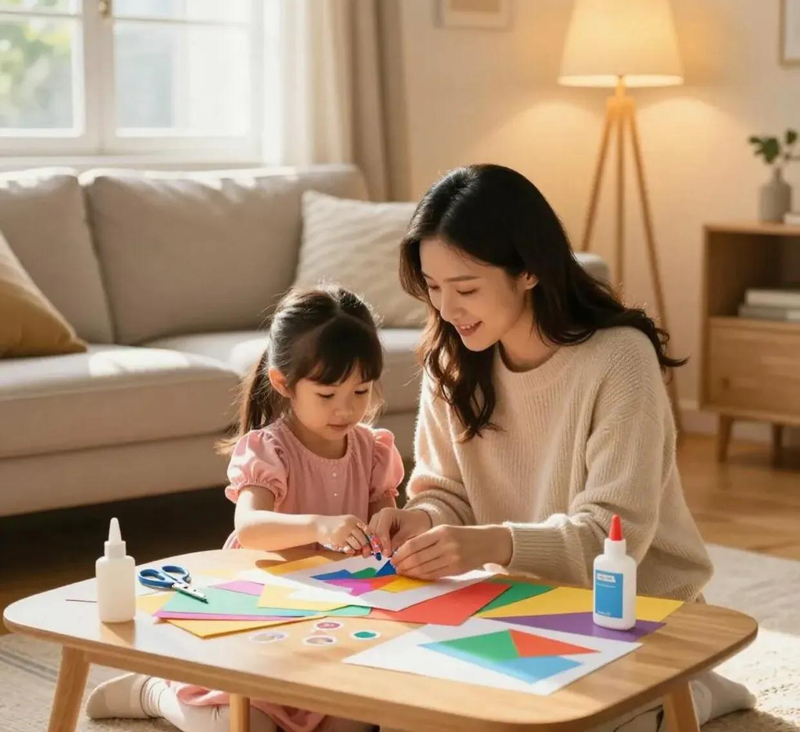
Third, learn to "jump and pick peaches." psychology has a “recent development area” theory, which means parents need to encourage their children to challenge what they can do with a little effort. For example, kids don't tie their shoes, they don't work for them, they teach them how. There is no need for a big deal, and no need to set too difficult a goal for children to grow up to face the future in a “challenge”。
In short, family education is like a kite, too tight and too loose. We don't need to be full-time protectors, we need to be peers on the way to our children: it is time to give space to let go, to give strength to make the child a better person in a good time。