


Brain science, also known as neuroscience, is a discipline that focuses on the organization, operation and growth of the nervous system. This area is closely linked to the language discipline, since the role of the brain in the acquisition and use of languages has been one of the most important subjects in neuroscience research。
In-depth language learning emphasizes the use and reshaping of nervous mechanisms in the learning process. According to the author, the brain sciences can be used to promote in-depth language learning in four areas。
Following a pattern of information anchors in the brain, causing interest in the language
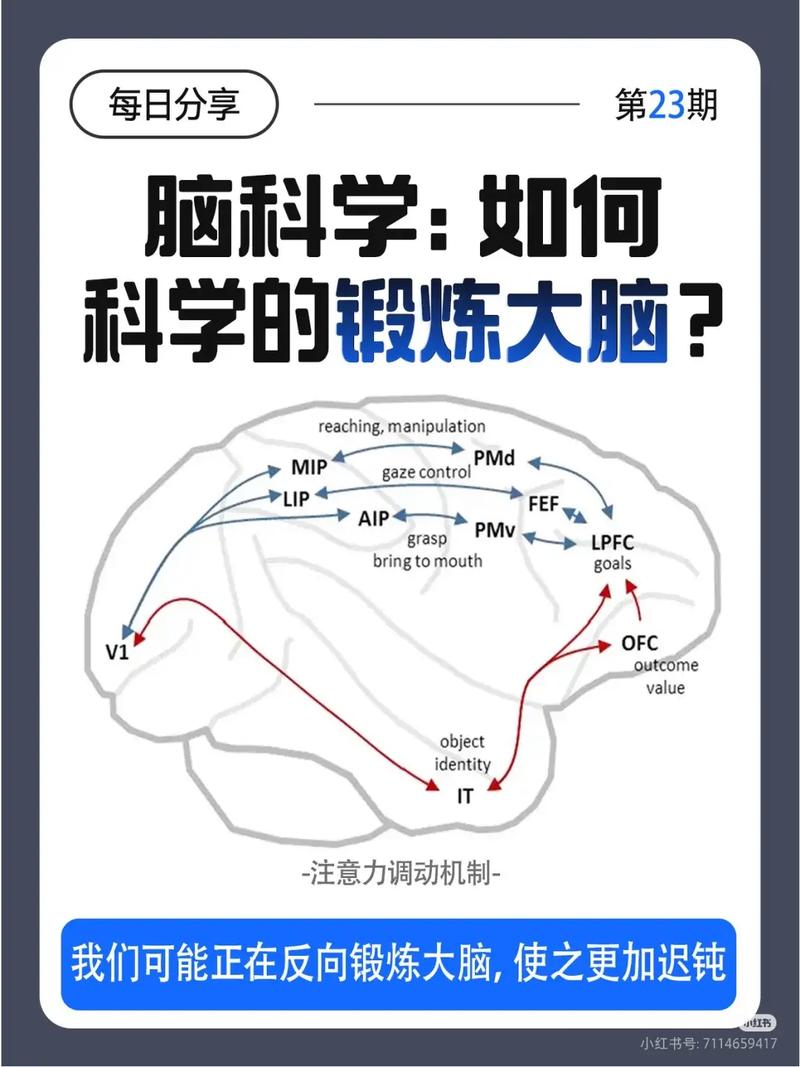
Based on brain science theory, an in-depth analysis of children's cognitive characteristics is key to meeting their learning and growth needs. In the case of children, who are easily distracted and whose memory is not yet fully developed, teachers should promote the cognitive development of children by enhancing the taste and interaction of the classroom, attracting the attention of students and improving the comprehensibility and memory of learning content. Research shows that the back of the human brain has a “feel ingestion filter”, known as the “network activation system”, which gives priority to new and interesting information. Therefore, teachers need to use a deliberate teaching strategy to draw attention to the content of the curriculum. In particular, the first is the careful design of the classroom entrance to raise the awareness of students and to create suspense in the classroom to draw their attention. Second is the innovation of the classroom format, in which teachers properly “controversial” their own image and, as a result of a change in conventional practices, tend to keep students at a high level of attention. For example, during the teaching of the moon, teachers played “grandmothers” in stories and interacted with students, who were very excited and committed because they saw a completely different language teacher. Third is the use of play training. For example, during the course "an interesting thing", teachers introduced the game "drums and flowers" to actively involve students, and whoever "finishes" shares an interesting thing。
Following brain-specific cognitive patterns, deepening student speech experiences
The standard of language courses for compulsory education (2022 edition) states that language courses should “lead students to love the languages spoken in the country, in the case of authentic languages, through active language practice, accumulation of language experience, appreciation of their characteristics and application patterns, and development of their skills”. Personal cognitive theory argues that the process of thinking and cognition is largely determined by the body. This theory emphasizes that human cognitive activity is the result of interaction between the brain, body and surrounding environment. Brain science studies also show that teaching in the context of a student's existing experience or real-life situation has a more desirable effect. In language teaching, as many teachers as possible should adopt situational creation, role performance and so forth, so that students can receive knowledge, and the more the learning methods, the greater the ability of the brain to transmit and extract it. In classroom teaching, teachers should, as far as possible, create learning environments that are closely related to the daily lives of their students, leading to the full participation of students so that their real life experience can be integrated and expanded continuously in the learning process。
For example, when studying the subject of " midday " , teachers use physical displays to bring students close to "sniffing" and "sniffing" and when they bite, their feelings are real. In the course of studying the book " happy farm " , the article depicts the activities of the animals in the farm and includes a variety of actions such as "pecking" and "jumping" and "singing". In teaching, teachers can create a simulatory farm environment by inviting students to imitate the behaviour of animals in textbooks, for example, by making rice pecking with their hands, and by jumping. Through this whole body of reaction, students are able to feel the words of each action and deepen their understanding of the meaning inherent in the vocabulary. At the same time, teachers are able to combine textual content to guide students to the sense of happiness of animals and to understand the abstract concept of “happy”. There are also words in the texts that describe animal barking, such as “cuckling”, where teachers can play the sound of the animal in question or teach students how to imitate it and incorporate hearing into this cognitive activity. Through this multi-sensual involvement, students not only are better able to remember these words, but also enhance their sense of the whole of farm life, and the classroom becomes more lively and fun。
Following the automated cognitive pattern of the brain, the language structure of the student is firmly established
Brain science studies have found that students repeat and recapitulate what they learn, helping to create long-term memory. The more information is processed by students, the more neural connections are formed and the better the memory effects. Teachers should direct students to the search for links between knowledge, to the full mobilization of their emotional, mobility, mental skills and to the in-depth reflection of the content of their studies. Teachers should instruct students to learn “out of school”. Duplicate is the specific form of “output learning”, whereby “output learning” forces “input” learning to the point where it is more than a function and ultimately leads learning to a positive cycle. In the learning process, students need to actively explore linkages between different knowledge points, integrate knowledge and build a personalized knowledge framework based on their own knowledge base。
Common operations, for example, involve copying, rereading, filling in blanks, etc., but single subjects have very few points of knowledge that are not conducive to building knowledge systems, while integrated work such as essays, drawings, post-reading senses, surveys and experimental reports requires the integration of a great deal of knowledge. Teachers should create more integrated jobs to enable students to digest and adapt their knowledge in the course of their work, to develop a sustainable organic knowledge system that belongs to them and can be used in their lives. For example, a thought map is a visualized tool that helps students to establish linkages between fragmented knowledge points and to integrate them into a systematic and hierarchical knowledge structure. In the review of texts, teachers can guide students in the generalization of terms of different meanings of the past, using different shapes of mind maps to enable them to compare effectively. As a result, students are not easily confused with memories and memories. Teachers can also guide students in the development of models such as modular and thematic thinking maps, which duplicate and re-formulate the knowledge acquired, thus creating organic knowledge systems that facilitate memory and understanding。
Follow the neuropathic activation mechanism to enhance student feedback
Every time you make a mistake, the synapses of the neurons of the brain are activated, and they promote brain growth. In language classroom learning, allowing students to make mistakes, recalling their mistakes and correcting them is a key element in deepening learning。
First, teachers need to be tolerant and accept that students are making mistakes. Due to the age characteristics of the students, the level of awareness is at an early stage, and the thinking on the issue is largely based on their own subjective judgement, and in some cases is likely to be emotionally influenced to make the right decision. For example, the famous writer liang xiao-soon wrote, "i walked through a line of sewing machines, went to the corner, saw a very thin brown back bending, with my head close to the sewing board. The heat of a few light bulbs around my face." many of the students who read the text did not understand the mother's frustration, but instead asked why the mother had not left the country to find an easy job. In the face of students ' misperceptions, teachers should be patient in informing them of the background of writing and allowing them to read articles and understand people slowly on the basis of their original perception. Secondly, teachers need to be patient in analysing and examining the mistakes made by students. A repetition of students ' work is one of the best ways to assess how to improve students ' learning efficiency. For example, when students make mistakes when writing words or ancient poems, teachers should allow students to understand the meaning of words or ancient poems and to reflect on and improve from the depths of their knowledge to ensure accurate knowledge. Second, teachers should correct students ' mistakes in a timely manner. In language instruction, teachers are not allowed to listen to students ' mistakes, and a reasonable answer is required. For example, in lower-grade language studies, students encounter unknown words, often ask teachers first and do not go to the dictionary. As teachers, students should be guided in the use of dictionaries and the use of dictionaries in reading and writing。
(professor, faculty of teacher education, northwestern teacher training university, li jin yun, and ph. D., faculty of teacher education, northwestern teacher training university, ja haiwa department)
Chinese journal of education, 6th edition, 1705, 2024



