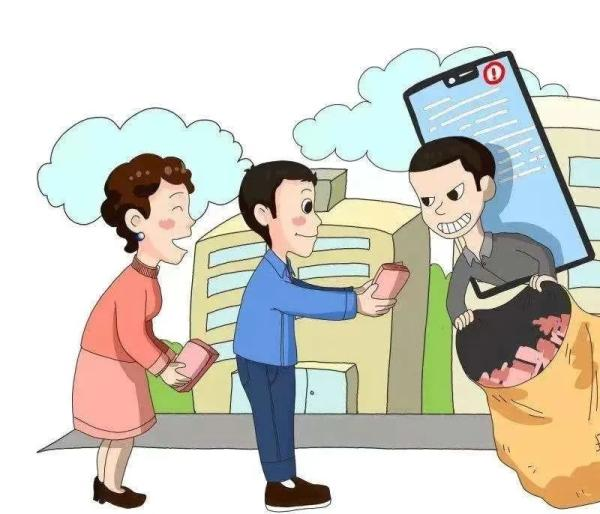
The rapid pace of technological development and the spread of our lives through information networks have also allowed many outlaws to enter and erode cyberspace. They used telephone, qqq, micro-messages, mailboxes, etc. To constantly renovate, causing damage to the property of a large number of people。
Telecommunications network fraud is an offence where a criminal fabricates false information by means of telephone, web and text messages, sets up a fraud scheme, engages in remote, non-contact fraud against the victim and induces the victim to make money or transfer to the offender。
Characteristics of telecommunication network fraud
1. The modus operandi continues to grow
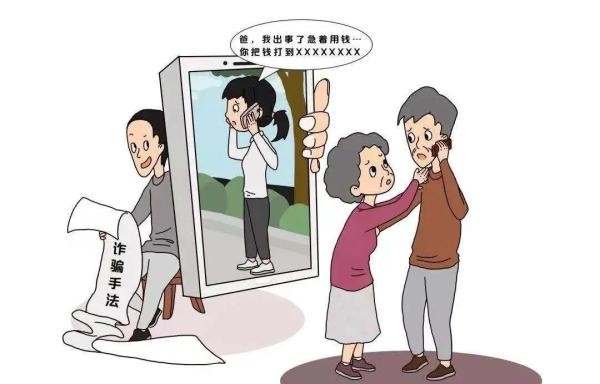
The modus operandi of the criminal has evolved from the initial false information “winner”, “consumer”, to “kidnapping for ransom”, “telephone charges”, and even to impersonate telecommunications staff and public security police officers. It is highly deceptive and difficult to identify, and it is very easy for people who have not received information about fraud to be deceived。
2. Relatively high social hazards
A number of people have been taken overnight by criminals, with a heavy intellectual burden, and individual people have committed suicide as a result of deception, putting considerable pressure on social security management。
3. The group affected is not specific
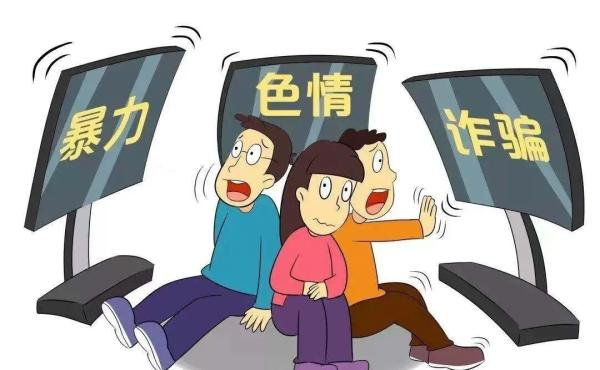
The analysis shows that the groups of victims are classified by occupation, including school students, self-employed persons, laid-off workers, workers and farmers, and by age groups, with a certain proportion of young people, middle-aged people and the elderly。
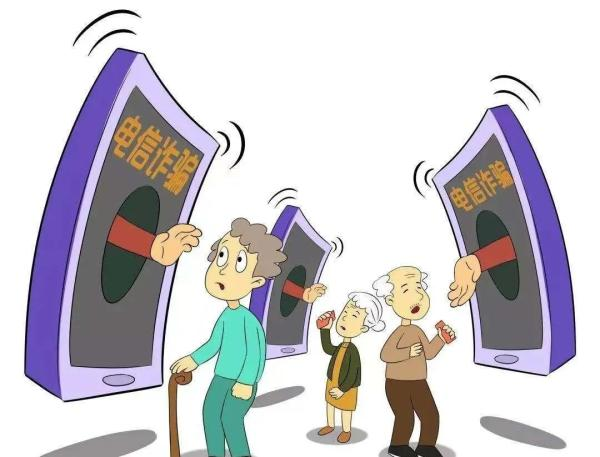
How to prevent telecommunication network fraud
Liars use the victim's profit-avoidance and paranoia to induce victims to engage in fraudulent criminal activities. In our daily lives and work, we should be more vigilant and aware of the need to avoid being deceived。
(i) overcoming the concept of “incentives” and not giving any confidence in paralysing, beware of prevailing
There's no free lunch in the world, no pie in the sky. Criminals who have committed middle-rate fraud, fraudulently misdirected high-interest loans or credit card frauds and fraudulent information transfers are not to be trusted and must be analysed more to identify the truth and to avoid being deceived。
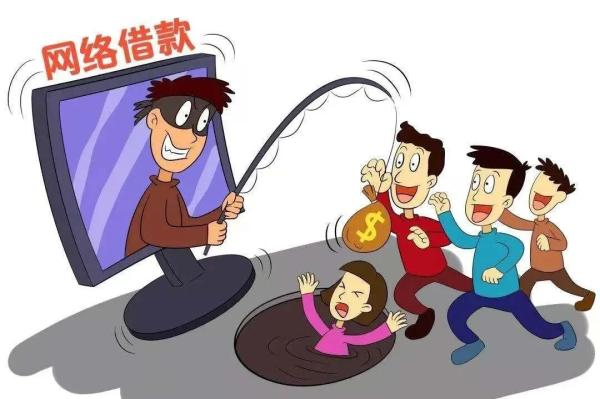
(ii) do not easily disclose their personal and family information to others
In cases of accidental family injury, the costs of rescue treatment, fraudulent text messages, telephone calls such as friends' emergency help, need to be carefully checked, not panicking, trusting, and not to transfer “urgent money” into a bank account designated by the criminal。
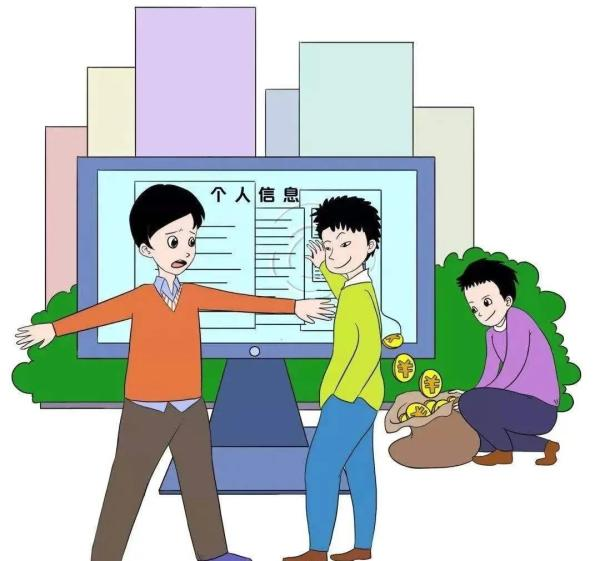
(iii) in the case of suspected telecommunications fraud, do not be blind, and do more investigative evidence
In cases of fraud in the form of bank card upgrades and false recruitments, marriage brokers, etc., who are notified of training, impersonating banks, public prosecution agencies, etc., are consulted, checked in a timely manner with relevant local units and industries or at their premises, and do not trust strange telephone calls and information. Training fees are generally cash payments or public transfers, and should not be remitted to personal accounts and should not be treated lightly. In the case of calls claiming to be telephone numbers of public security, prosecutors, courts, banks, etc., it is essential that multiple identifications be made, that attempts be made to call back and verify, and that perpetrators be prevented from using techniques such as re-numbering software to impersonate telephone numbers。
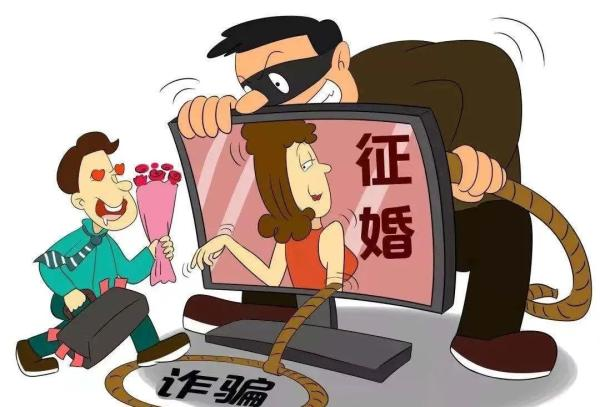
(iv) correct use of bank cards and bank self-help machines
Access to the atm, crs etc. Encounters the blocking and swallowing of bank cards, and carefully recognizes the authenticity of the atm's “tips” and must not be untrustworthy and submissive. It is best to call the customer service centre of the atm bank phone to which the atm belongs, and to contact the real bank staff for processing and settlement。

(v) care should be taken on a daily basis to prevent telecommunications fraud and to raise awareness of the safety of older persons and minors
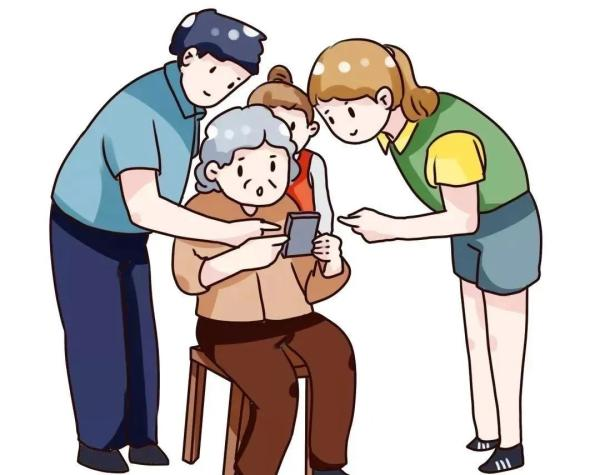
A little tipter against fraud
Telecommunications fraud prevention:
1. Unidentified and suspicious information
2. Not to be tempted by illicit short-term information because of greed
3. Do not call strange calls in short messages
4. No one shall be provided with a mobile phone identification code
5. Non-disclosure of personal information, particularly bank card information。
I've got seven good habits:
1. Protect personal identity cards and bank card information。
2. When online banking operations are conducted, it is advisable to enter the official bank website manually to prevent access to fishing sites。
3. When entering a password, use a hand cover。
4. The password to be set is relatively complex and independent and is periodically replaced。
5. A text message for the opening of an account is sent that the funds of the account are frozen or lost as soon as an unusual change in the account is detected。
No random link to unknown publicwifi for online banking, payment accounts。
Establish separate small independent bank accounts for daily online purchases and consumption。