The north is my second national intangible cultural heritage. In the course of history, there has been an ongoing combination of taoism, creating a unique artistic feature. So, what are the artistic features of love in the performance culture of northward love? What's the difference between the characteristics of integration with taoism? Next, let's find out。
1. Format:
The north side is a local play. The performance is dominated by stage (main rural temples). There is also a play for the rural chorus and the dodo class。
Characteristics:
(1) characteristics of the content of the traditional script: 1 addresses philosophical issues such as the heavens and the earth, men and women. Most of the characters in the play are from religious buddhists and dodos more than confucius. The three scripts are original, and most of the details are adapted by folk artists based on their experience。
(2) indoctrination as the main element。
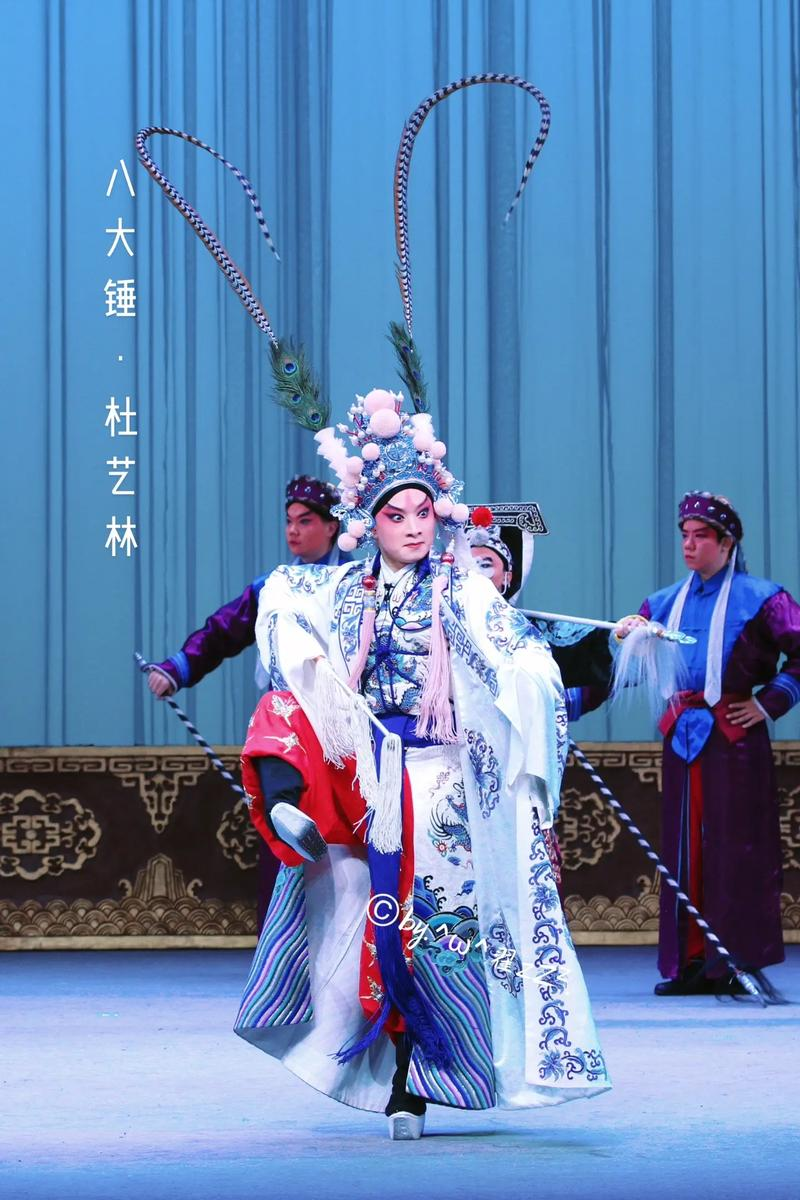
(3) language characteristics: low level of human culture and high level of folklore。
(4) performing style: harmonious composition。
(5) more bitter music than music。
3. Evolution:
The north is born of taoism, which is connected with it, flourishes with it and continues with it, but in the process of its development, it is not confined to its growth and decline, but it is also based on the acquisition of other artistic resources, so that it matures and perfects itself and eventually develops into a musical art of a unique style。
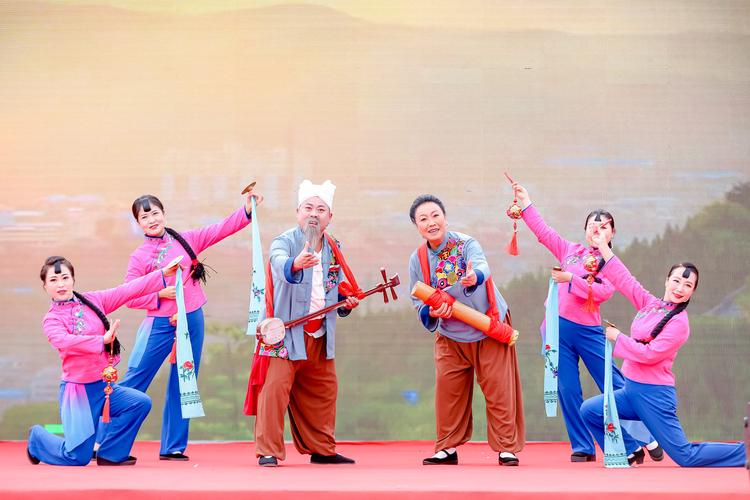
In the feudal era of the ruler's trust in the power of god, the power of the image and emotion of the narrative made the ruling class weak. Every effort is made to use the passions and other forms of art to portray and pejorative taoism and to strengthen people's spirituality and spirituality. The use of the dowry art as a means of preaching the dowry has made the dowry serve the dissemination of the dowry, which has led to the development of the dowry as a musical art of unique significance and style, deeply influenced and long-standing by the dowry. "the development of the arts is influenced by religion, and the spread of religion depends on the use of the arts." these two sentences are more than appropriate to sum up the relationship between the word and the word。
4. Business:
In the north, the lovers, dan, pure, ugly and all-ogly, are the main ones, and they are all the same, and they are the same, and they're the same, and they're the same. Singer, no martial arts. The head (but the foot) and the face on the face with glasses and two spas hanging。
5. Clothing:
The garments are mostly used in the hymn robes, while others are used in the drama costumes. It is also made of civil cloths, and it is made of paper, adapted to local conditions and not regulated。
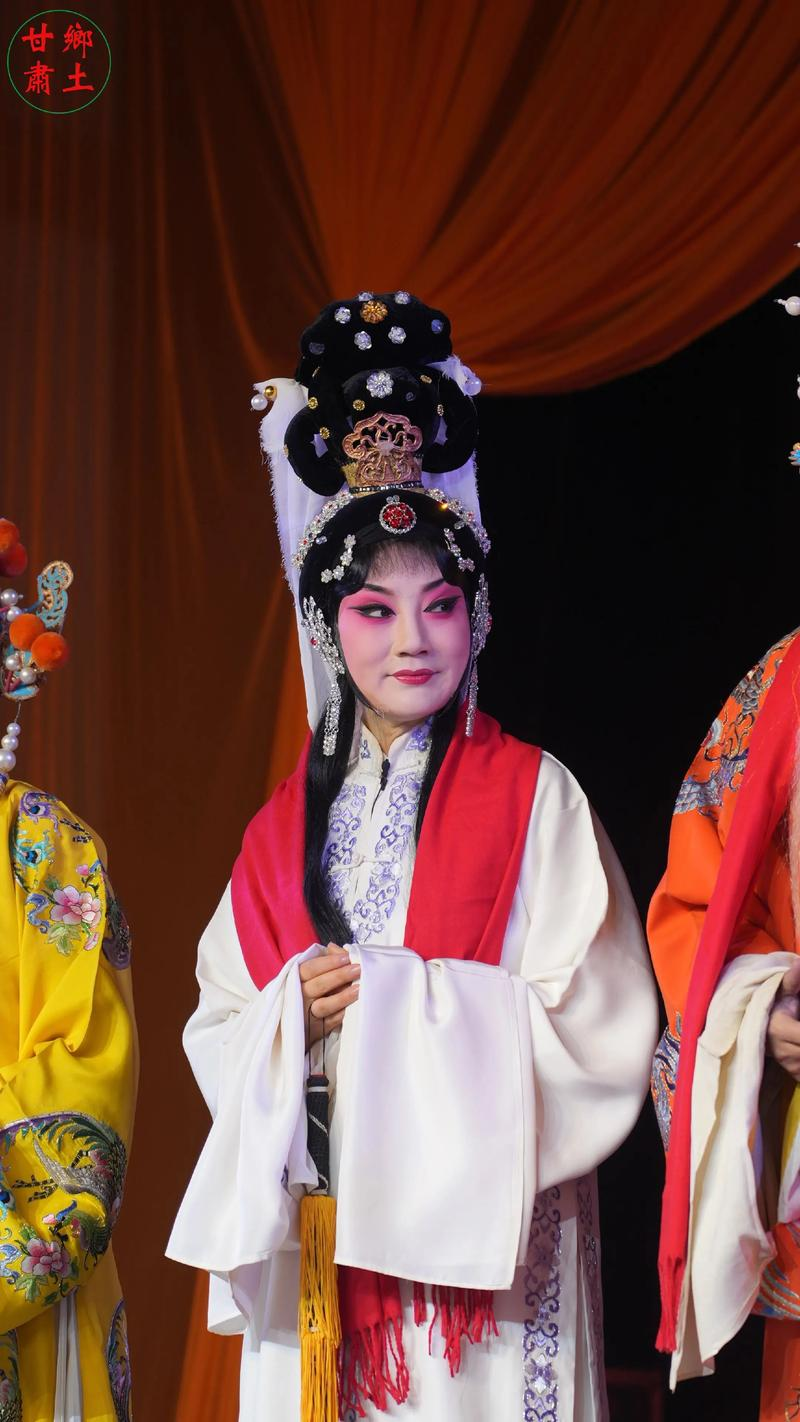
It is also known as the “face of armour”, the “sixtrums”, the “big class”, and the “turkish class”, which was first developed from a fashion parade that was popular in the southern countryside and was the most popular in the region and the largest audience in the south. Its footprints were spread throughout the guannan-speaking regions such as jinjiang, quanzhou, xiamen, long creek and taiwan province, as well as across the south pacific, where chinese nationals live。
The performances of the high-academic theatre are divided into three main categories: “atmosphere” (the palace and martial arts), “embroidery” and “obstalgic theatre”, with a greater number of theatres of martial arts, indecency and public crime, with fewer. There are more than 900 traditional plays, most of them from kyoyo, puppets and bags, a small part of which absorb pear gardening and some of which are written by artists based on historical novels and folklore. The role of the high-academic scene, which was originally only born, duh, ugly, was then added to the net, paste, exterior, last and northern (net) colours, commonly referred to as the “nine points”. The performing arts of the high-academic theatre are partly from pear gardening and puppetry, and partly from the vase, emblem and kyoto. There are no fixed scripts for the initial programme, and the actors are allowed to walk through the scene. Singing is freer, there is no room for it, and the performance can be long and short。
It is also known as the “taiwan song-caily play” which is a local play developed and loved by taiwan's compatriots and the fujian people. It is found in the guannan-speaking areas of taiwan and fujian-shumen, zhongzhou and jinjiang, as well as in places inhabited by chinese nationals in south-east asia。
The formation of the opera is closely related to the introduction of folk geishas, such as the development of taiwan by the people of guannan. The music tunes of the song play are rich, ranging from high-pitched [seven words], [big tone] and [backset], to popular rumours [taiwan murmuring], with all the more sad and sad tears。
In addition, it was supplemented by local folk songs and part of the play music. They sing in their real voice. The main instruments are shell chords, big chords, taiwan flute and the moon. Its performances, roles, costumes, facebooks and throttles are largely taken from the opera。