Reporting: refinement of logical frameworks and presentation techniques
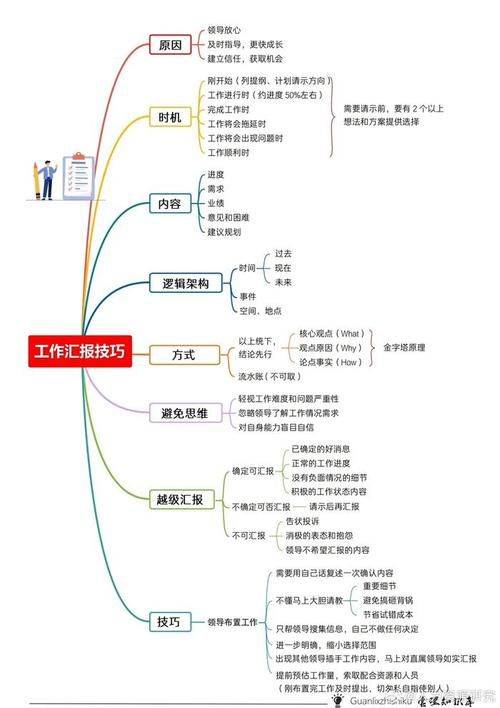
At the heart of the report is a clear logic that conveys valuable messages that allow audiences or readers to quickly capture focus, understand content and endorse conclusions. The logical thinking framework and presentation skills of the report are set out below, along with a template that can be directly applied to help you to complete high-quality reports efficiently。
I. Core logical thinking framework for the report on work
Logic is the backbone of a report on the work of the commission, and without a clear logic, the content of the report would be confusing. There are three commonly used logical frameworks that can be selected according to the type of report and the scene。
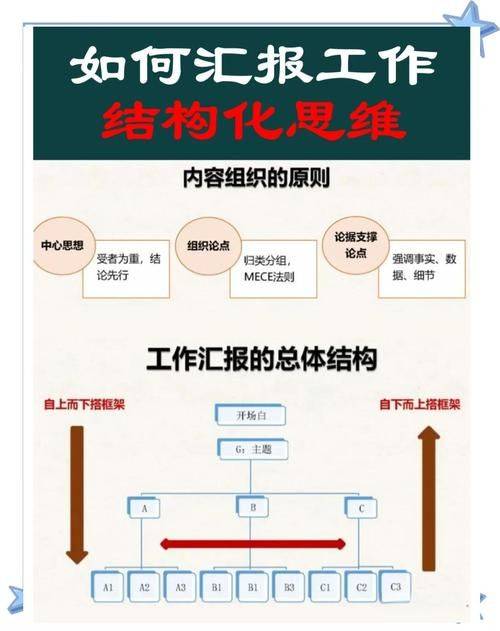
Results-oriented logic (most commonly applied to job summaries, job debriefing reports, project reporting)
Core logic: results before process, plans/recommendations
Appliance scenario: need to demonstrate results to leaders and superiors, and reflect the value of the job。
Specific structure:
• beginning (30 seconds set): a summary of core results (1-2 words) summarizing whether the core objectives of the current work have been achieved and the most visible results)
• component 1: detailed core results (in order of importance, each outcome contains `data support for targeted actions')
• component 2: problems and shortcomings (objective analysis, problem specificity to avoid generality; reasons for problem development)
• component 3: work plan for the next step (promulgation of improvements to the issue, plans to be landable and quantifiable, and to include "those responsible for targeted measures at the point of time")
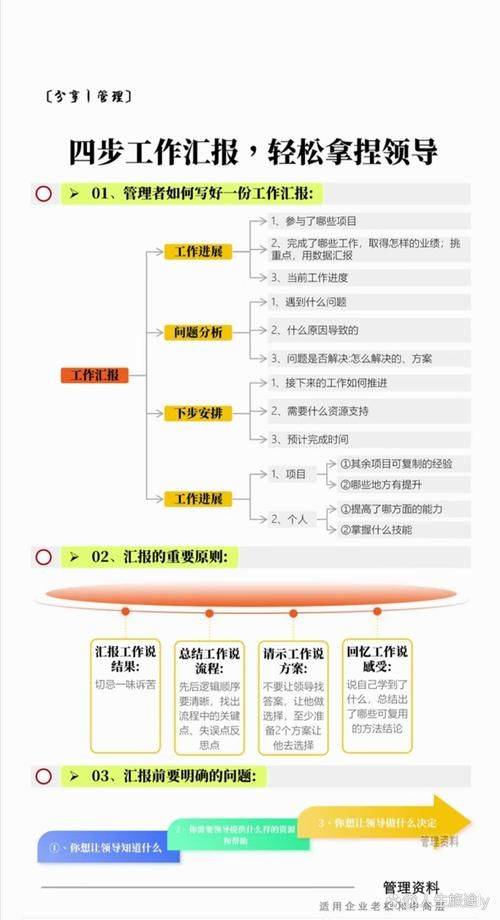
2. Problem resolution logic (applies to dedicated reporting, problem analysis, improved programme reporting)
Core logic: problem analysis, problem resolution, expected results
Application scenario: problems at work need to be reported to higher levels, supported or improved programme scenarios。
Specific structure:
• beginning: identification of the problem (data and factual descriptions of the current status, scope and extent of the problem)
• component 1: analysis of the causes of the problem (based on human, mechanical, material, legal, ring dimensions, distinguishing between primary and secondary causes, avoiding attribution to a single factor)
• component 2: solutions (specific solutions are proposed for each cause, with operationality and clear priorities)
• component 3: resource requirements and expected results (state required support, such as human, material and financial resources; predict programme results after implementation, quantified by data)
3. Propulsion logic of the project (applying to project milestones, progress reports)
Core logic: current progress is completed pending completion risks and responses
Applicable scenario: scene of progress reported to project team members, leaders or clients during project implementation。