Have you ever been so confused that, while you're practicing every day, the writing is getting worse and the wrists are still hurting? The problem is not "less practice" at all, it's wrong to hold a pen
It's a set of six of the most common type of "fatal pen-sharp error" for typists. To be clear: folding fingers, pens, ticking wrists, slitting wrists, hugging pens, plunging wrists — every one of them is obstinately consuming your writing skills, even burying inflammation and nearsightedness. Today, these wrong hazards and corrective methods are presented once and for all, helping you to put the word-reading “ground-based”。
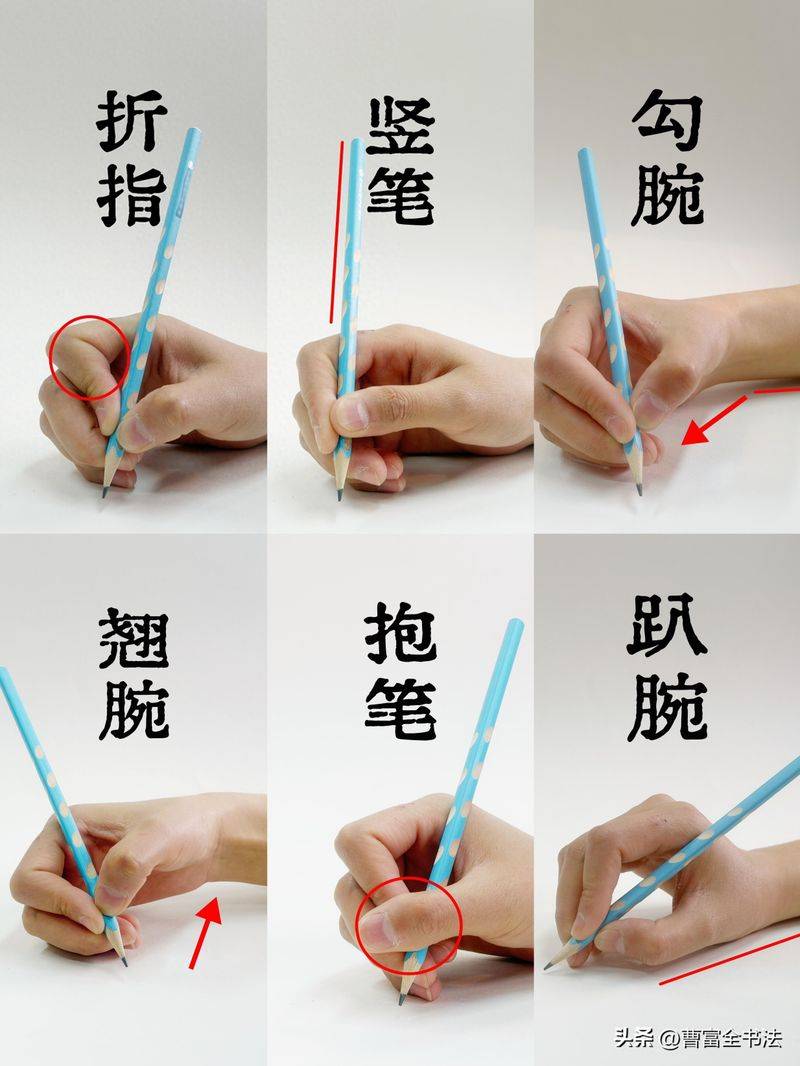
One, these six wrong pen-shapings are the word "first killer."
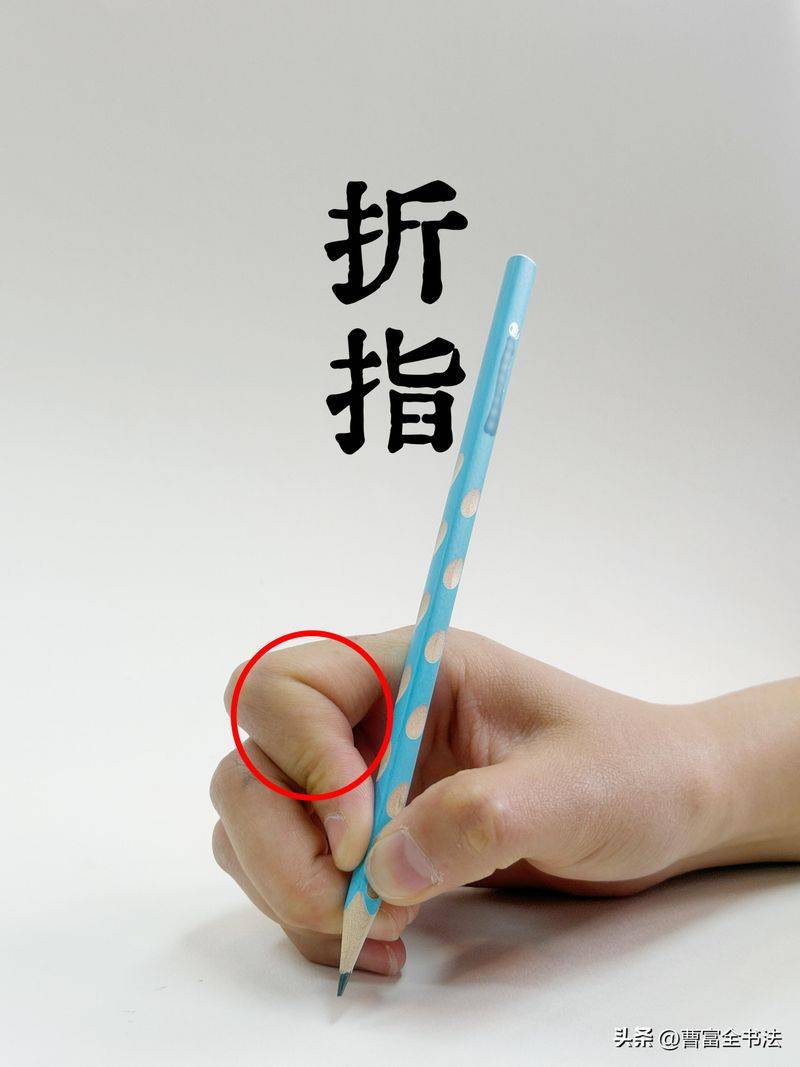
Finger: fingers “fights”, never good. Exhibition
Error expression: the middle finger or the unnamed finger bends inwardly, strangling the pen, as if it had been “failed” (as indicated in the red circle)。
Core hazards:
- the rigidity of the fingers, the inflexible ability to carry the pen, and the fact that the words are either squeezed into pieces or drawn crookedly
- long-term defibulation of the finger joints and even the development of the arm's bones (especially for children)
- i can't write a few lines, i can't practice long。
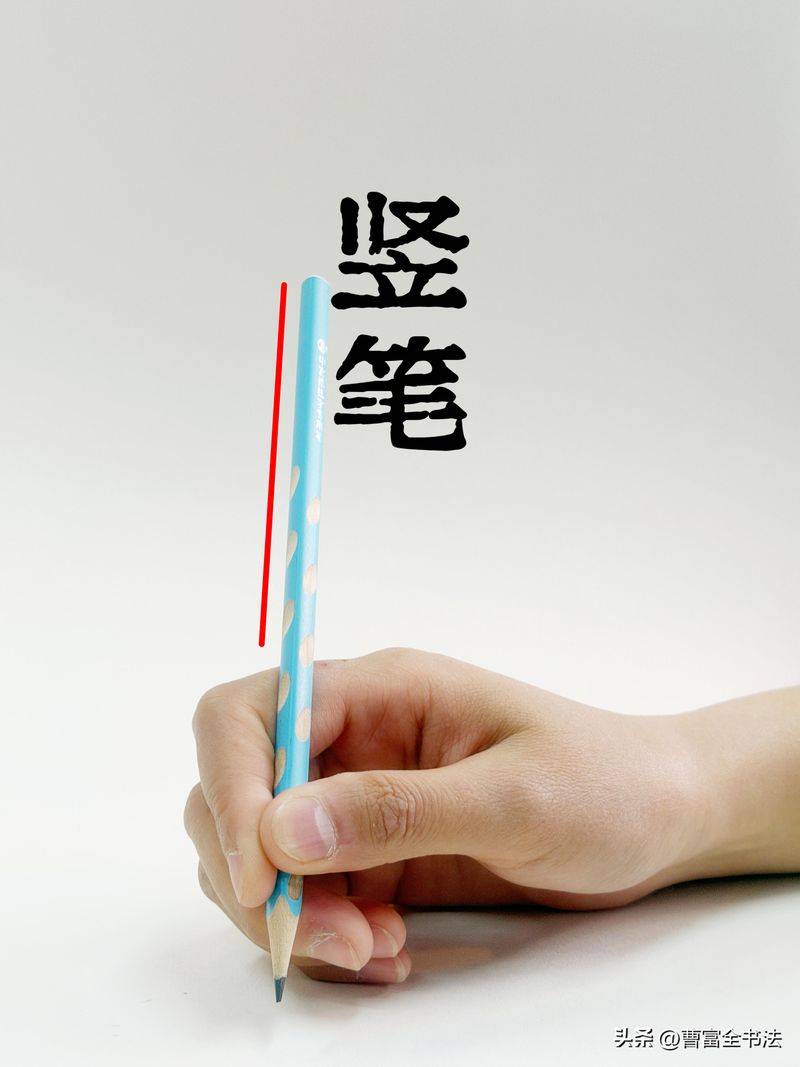
Pencils: “down” pens, all “dead line”
Error representation: a pen bar is vertically on paper, like a paper with a chopstick (red line indicated)。
Core hazards:
- the pedestals are completely impervious, unrighteous and rigid
- it can only work on the wrists, and it can't write a smooth brush and a pen
- frustration of wrists and extreme fatigue, which also tends to deflect and exacerbate the near-sightedness。
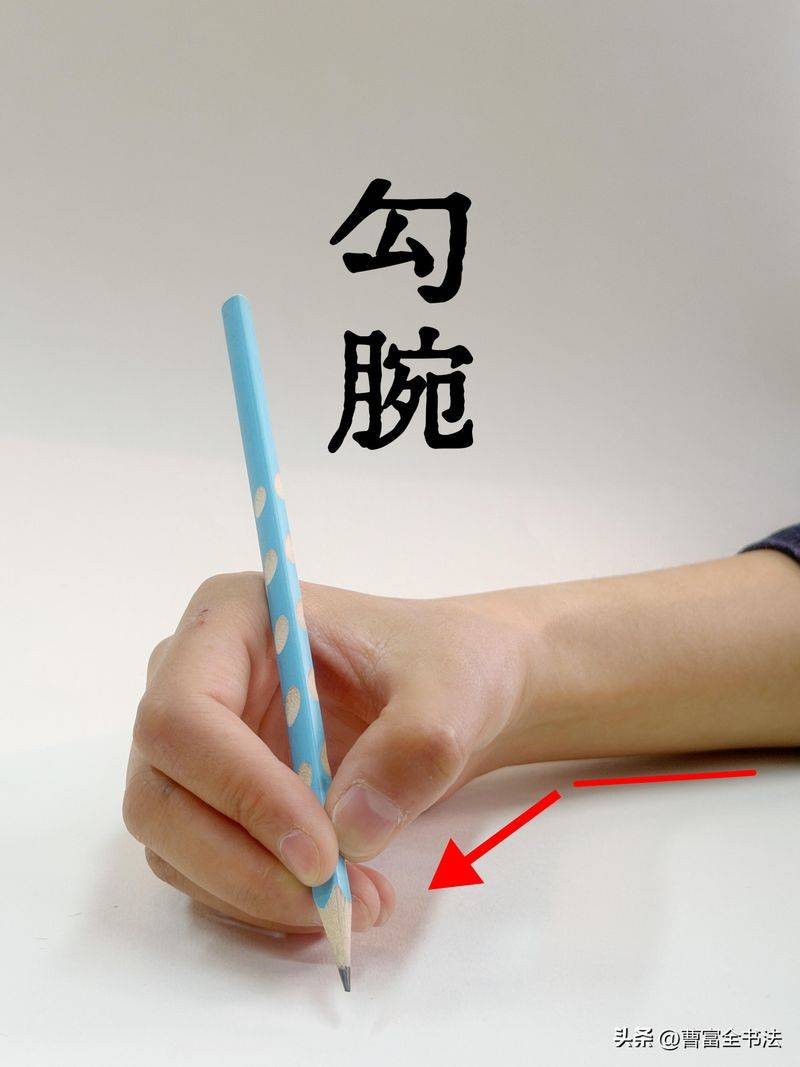
Crucifixion: the word "inline" in the wrist is crooked to the lower right
Error expression: wrist to the inside, pen to the left, whole hand to the paper (red arrow indicated)。
Core hazards:
- it's the most common word for it! The strokes force the writing direction to lean down to the right, the more the writing is crooked and the curly
- wrestling wrists, which in the long term are highly susceptible to inflammation, and whose wrists cannot be lifted while writing
- the sight is blocked by hand and can only be seen with a crooked head, which not only increases the near-sightedness but also leads to a bend of the spinal column。
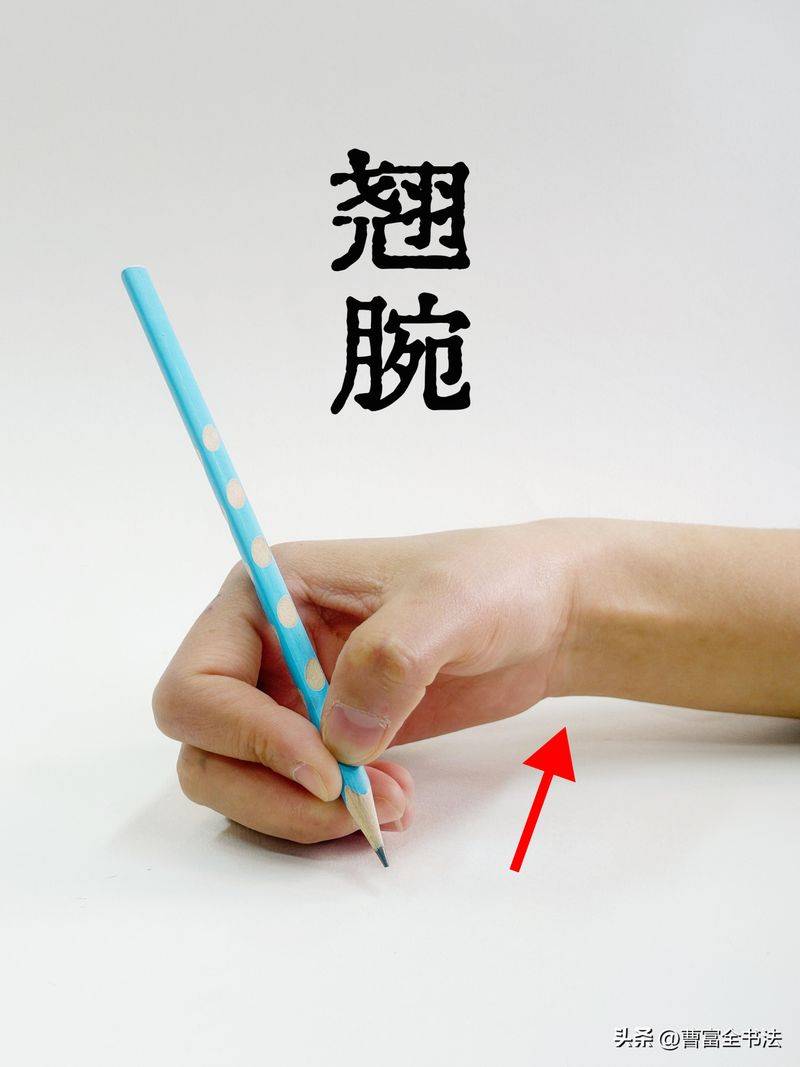
Wrestling: wrestling "into heaven" with all the words "floating"
Error expression: wrestling up, leaving the paper, the whole hand looks like a "stand" on the paper (red arrow indicated)。
Core hazards:
- the wrists are emptied, unsupported, all with their arms, and the writings are weak and unfocused
- instability in the control of drawings, unevenness in the writing of drawings, unrighteousness in the writing of writings
- long strokes of the wrist make the arm muscles nervous, cause cylindrical pain, and are extremely inefficient in writing。
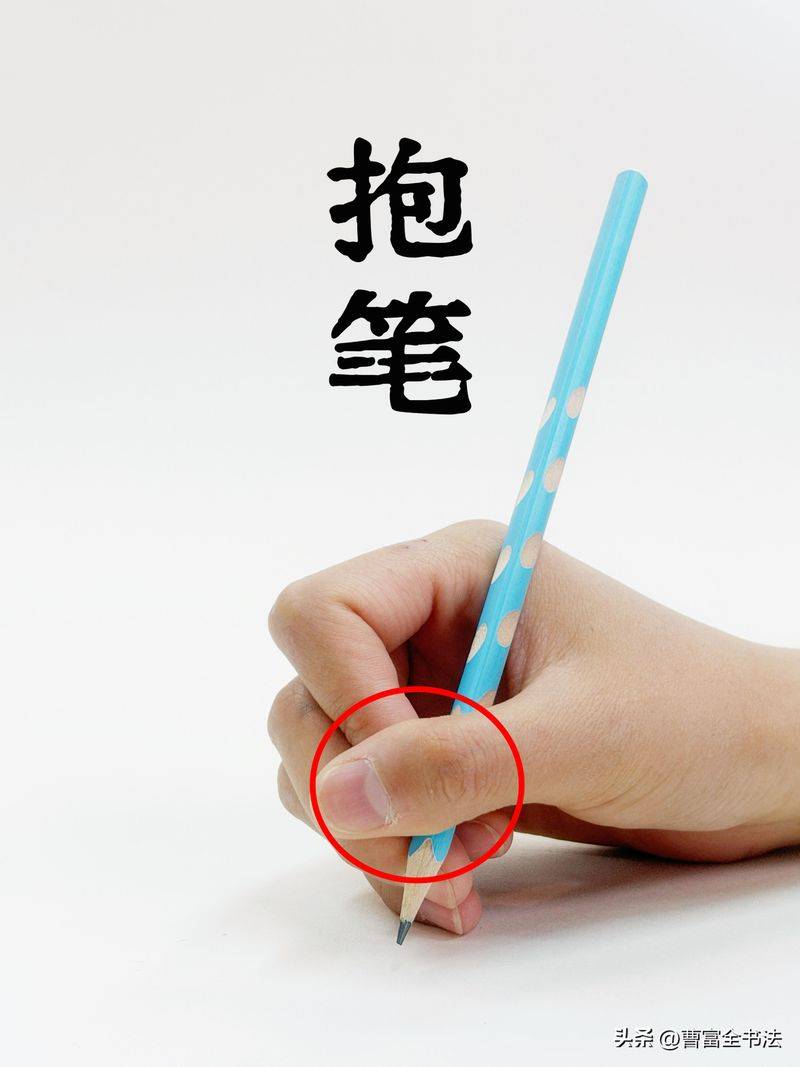
A pen: a “pumping pen” with a finger that can never be written
Error expression: the thumbs are tight on the index finger, like holding a pen bar (red circle indicated)。
Core hazards:
- fingertips are shackled, their range of activity is minimal, their writings are small and crowded, and they cannot be stretched
- the ability to work on finger sections, which can't write more than a few words, has a serious impact on the speed of writing
- long-term cuddles can deform the thumb joint, or even affect hands。
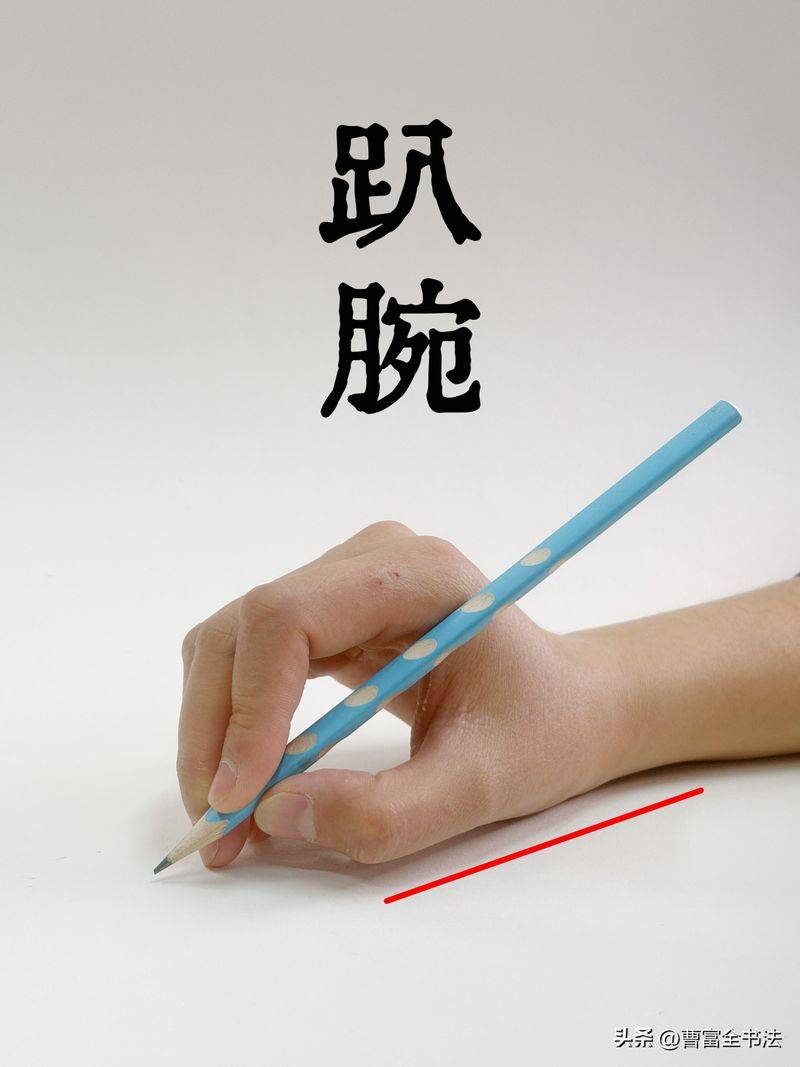
Flank: wrist “performe”, full of words “towed out”
Wrong expression: the wrist is completely on paper, and the arm and the paper form a large angle (red line indicated)。
Core hazards:
- the wrist is crushed by paper and can only be written “trawling” on the arm, with no strength
- the scope of writing is restricted to the lower half of the paper, which is confused with the layout of the scrolls
- long-term wrist-painting causes a lack of circulation of the blood of the wrist, causes numbness and pain in the wrists, and causes a leaning forward of the spine。
Ii. The chain reaction of the wrong handshake: more than a broken word, more than a broken body
Many people think that "it's okay to hold a wrong pen, it's okay to do it," but a long-term wrong handshake can cause a series of health problems:
1. Skeleton deformation: folding of the finger, cuddling of the pen, bending of the fingers, strangulation of the wrists, grafting of the wrists, bending of the spinal column, high shoulder
2. Eye problems: a stroke of the wrist, a stroke of the wrist, blocking of the sight, forced to crook and look down at the paper, exacerbating the sight and light
3. Muscle labour: the long-term distortion of the wrists is highly susceptible to inflammation, tennis elbows, and even shoulder graft
4. Ugly writing: the wrong way in which you act is that you can never write a smooth, stretching word, and the more you practice it, the more you lower your self and even give up。
It can be said that the wrong pen-shaping position is that of a “roadblocker” on the way to writing and, more importantly, that of a healthy “hidden killer”。
Iii. Correct pen positions: 3 core principles, one learning
In fact, it's not complicated to hold a pen correctly, remembering these three core principles and avoiding 90% of the mistakes:
1. Tilt of pens 45-60°
The pen bar is attached to the root of the index finger and forms a 45-60-degree angle with paper, neither vertically (string) nor flatly (painting) in order to be flexible in carrying the pen and handing the pen。
2. Clear division of fingers
- the thumb, the index finger, the middle finger, the natural bend, and the pencil
- unnamed fingers and small fingers are naturally bent and leaned on paper to support them
- the pointer is about 3 cm, too close to the line, too far to control the pen。
3. Wrist level and arms spread naturally
The wrists are flat on the paper, no hooks, no twirling, no twirling, and the arm stretches naturally, forming a straight line with the paper, which is the smoothest and the least exhausting。
Iv. Targeted corrections: 6 wrong pens, one by one
1. Demeanor correction:
- tightly tie the middle finger and the unnamed finger with rubber bands to avoid bending internally
- writing always reminds yourself of the need to “relax” the finger and not to “plug hard”
- start by drawing circles, drawing straight lines and adapting fingers to the feeling of a flexible pen。
2. Tile correction:
- finding a pencil pedal (or rubber homemade), which naturally leans to the root of the index finger, forming a tilt angle
- practice in drawings, deliberately tilting the pen and feeling the way the pen works
- avoid too thin a pen, a thicker pen can control the tilt angle。
3. Twisting corrections:
- tie your wrist to the desktop with a fixed wrist (or towel) and force your wrist to be flat
- practice in writing with the deliberate intent of pointing the pen forward, not left forward
- start with big words, which need to be written more widely and which are easier to correct。
4. Array:
- a small pillow or folded paper towel under the wrist to support the wrist
- practice in the writing of vertical drawings, with the deliberate placement of wrists on paper, and the feeling of the “crushing” mode
- avoid writing too small words, which need to be supported by wrist stickers, and which are easier to correct。
5. Corrective:
- light separation of thumbs and index fingers with tape to avoid the thumbs pressing the index finger
- practice in writing the painting, deliberately relaxing the thumb and feeling the feeling of a "bircle of the finger"
- start with the pen shaker, which will help you fix your finger position and develop the right habits。
6. Panting correction:
- raise the book mats 15-30° to allow the sight and paper to form a natural angle and avoid the wrists on the paper
- practice in drawings, with the deliberate lifting of the wrists and the feeling of the way the wrists work
- write with an arm, not with a pen。
V. The essence of the exercise: first to practice the “position”, then to practice the “written”
Many people are rushing to write “in the air” while neglecting the most basic pen-shaping positions — like building a house without the foundations and not building a high building。
The correct pen-shaping position is the “ground-based” of writing: it is only when the foundations are secured that the writing, structure, rules can be talked about; it is when the positions are right that the words can be written in a smooth and stretching manner, and it can be practiced for long periods without injury。
If you're still in the middle of these six wrong brushes, don't worry. From today on, you're gonna spend 10 minutes a day in a rectification position and 21 days, you're gonna find:
- the wrists don't hurt, the writing is easier
- no more slurping, more and more stretching
- it's the confidence of practice。
Finally:
The exercise was never a "strike of time" but a "strike of method". Don't let the wrong pen positions ruin all your efforts. Let's get our positions right and then talk about "write well" -- that's the most efficient shortcut。
If you're worried about your pen positions, let's start today with a little rectification against this set, believe me, your words and your wrists will thank you now。