


In recent days, the general state financial supervision authority, the people's bank of china and the cvm have jointly issued a bulletin on the organization of financial consumer protection-related work, marking the beginning of a new stage of development of the country's financial consumer protection efforts — an era of “absorption”。
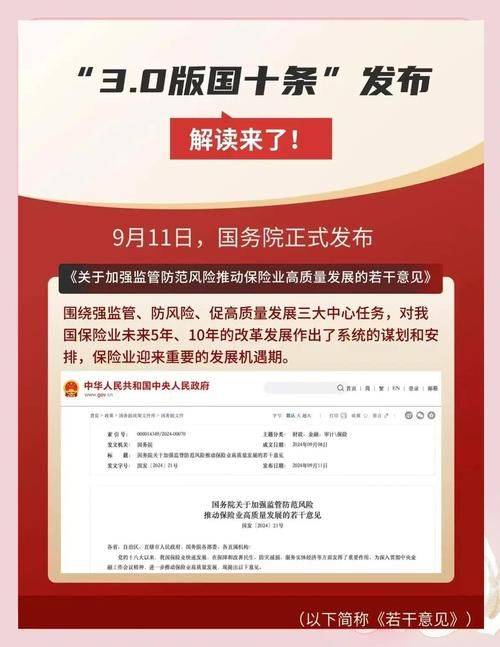
The characteristic of this era is that regulators will focus more on synergetic work and create synergies to look at and address financial consumer protection in a more comprehensive and systematic manner. The superintendence of financial supervision will take a holistic approach to development planning, improve policy systems and strengthen information-sharing and operational collaboration with other regulatory bodies to ensure the effectiveness of financial consumer education and protection。
Under this policy orientation, insurance companies face unprecedented opportunities and challenges and must reflect and innovate in depth in order to improve the quality and efficiency of services and gain consumer confidence。
We're in a state of "breeding"
Since this year, the general financial supervision authority has been actively communicating with the people's bank of china and the csrc, promoting the establishment of a coordination mechanism for the protection of the rights and interests of financial consumers, clarifying the division of responsibilities and establishing collaborative mechanisms for information-sharing, public education and proper management。
The financial consumer protection authority of the directorate-general of financial supervision has indicated, through column articles, that it will respond effectively to the concerns of the population, focusing on priority issues of concern to financial consumers, and will promote a sense of access, well-being and security in the financial sphere. On the one hand, the institutional framework in the area of financial consumer protection has been refined. A time frame and a road map for institutional improvement are to be studied to facilitate orderly implementation, taking into account the pressing concerns of financial consumers and the pressing need for financial consumer protection. On the other hand, the quality of financial consumer complaints processing has been continuously improved. Establish a system of financial consumer complaints reporting procedures and standards, establish “effective complaints” identification criteria and screening methods, and improve the “referral, receipt and disposal” mechanism to ensure timely response and proper resolution of reasonable claims by the population. In addition to strengthening the monitoring of complaints, systematic solutions are being developed to strengthen the governance of the source。
It is not difficult to see that the regulatory authorities have made the protection of the legitimate rights and interests of financial consumers an important element of their behaviour, which is important for raising financial consumer confidence, preventing financial risks, maintaining financial security and stability, and promoting social equity and justice and social harmony。
In the “big-down” scenario, consumer protection in the insurance industry is no longer limited to a single institution or sector, but rather forms a broad network of protection. Coordination mechanisms between the general financial supervisory authority, the people's bank and the cvm, as well as coordination with local governments, public security, etc., constitute a system of “extraction”. This pattern has been developed with the aim of comprehensively raising the people's sense of access, well-being and security in the financial sphere, effectively preventing financial risks, maintaining market stability and promoting social equity and justice。
The insurance industry faces many challenges

In recent years, significant progress has been made in the protection of consumer rights in our insurance industry, thanks to the gradual development of relevant legislation and regulatory evaluation systems. From the consumer protection act of 1993 to the banking insurance institution's consumer protection regulatory scheme of 2022, a series of policies have been put in place that not only clarify the fundamental rights of consumers, but also impose specific requirements for corporate governance, information disclosure, complaint processing, etc. Of insurance companies, with the aim of creating a fair, just and open insurance market environment。
However, despite sound legal frameworks and regulatory mechanisms, many challenges remain in practice。
1. Consumer protection and business developments have not yet resulted in organic integration
There is no effective synergy between business development and consumer protection in the practice of the insurance industry, and consumer protection is often seen as an additional part of business development. Risks require a positive shift in existing perceptions, recognizing that consumer protection is not only the responsibility of enterprises, but also an important safeguard for sustained and healthy business development, and that consumer protection and business development should be organically integrated, mutually reinforcing and result in virtuous cycles。
2. Financial literacy needs to be further developed
The complexity of insurance products tends to confuse consumer decision-making at the point of purchase, making it more difficult to select the security products that are suitable for them precisely; at the point of settlement, there may be situations in which consumers consider it “compensatory” due to insufficient consumer understanding of the terms of settlement; and at the point of settlement, subjective bias in the scope of insurance guarantees leads some consumers to find that insurance they have purchased does not provide sufficient safeguards in the event of an accident or illness. This has not only resulted in economic losses for consumers, but has also affected consumer confidence in the insurance sector。
Improved financial literacy and knowledge of insurance are important for protecting consumer rights and promoting the healthy development of the insurance sector. Industry should enhance financial literacy and education to help consumers better understand and apply financial and insurance instruments and improve their risk management capabilities. At the same time, insurance companies are actively working to simplify provisions for insurance products and to improve transparency in products so that consumers can better understand and choose insurance products。
What else can an insurance company do
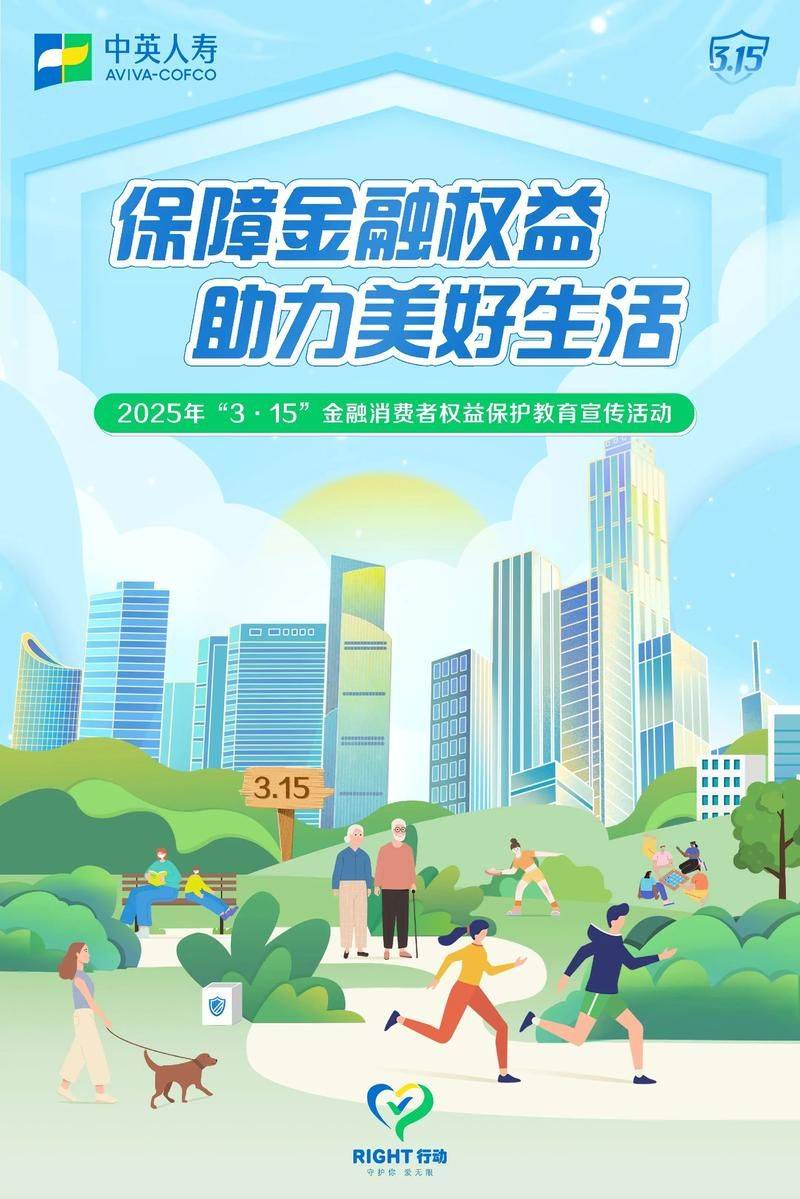
Self-innovation by insurance companies and the upgrading of consumer protection are not only necessary to deal with the pattern of “bridging” but are also key to promoting sustainable industrial development。
1. Upgrading insurance coverage
Insurance companies should fundamentally change attitudes to integrate consumer protection into business culture and day-to-day operations and strengthen the awareness of the whole population to protect consumer rights. This means that insurance companies need to start with the following:
(c) deepening internal training: regular training of staff on consumer protection legislation and ethics is organized to ensure that all employees have the right service concept and professional service skills。
Optimizing product design: taking into account consumer needs and interests at the product development stage, avoiding too complex or hidden products and ensuring clear and transparent product information。
Improving service processes: from pre-sale counselling to post-sale support, each link should be consumer-centred, providing easy and efficient service experiences, especially in the settlement of claims, simplifying processes, improving efficiency and ensuring that consumer rights are upheld in a timely manner。
2. Establishment of a regular system of education
Improving consumer financial literacy is key to protecting consumer interests. Insurance companies should take a proactive role in guiding education by continuously extending insurance knowledge to consumers in a variety of ways and means, enhancing their ability to identify risks and defend their rights and interests. Specific measures include:
Customized education: provide customized educational content for consumers of different ages and occupational backgrounds to ensure that information is targeted and effective。
Interactive learning: encourage consumer participation, increase the interactive and interesting nature of educational activities and increase consumer interest and participation through case analysis, online questions and answers。
3. Optimization of complaint handling mechanisms
The complaints handling mechanism is an important indicator of the effectiveness of consumer protection efforts by insurance companies. Insurance companies should optimize the processing of complaints, shorten the processing cycle and ensure that complaints are responded to and properly resolved. Specific measures include:
Establishment of a rapid response mechanism: establishment of a dedicated complaints handling unit staffed by professionals to ensure that complaints are received at the first opportunity。
Improve the information feedback system: establish consumer feedback loops, regularly analyse the causes of complaints and reduce the occurrence of complaints from the source, while using consumer feedback as an important basis for service improvement。
Transparent processing: making the process and results of complaints public to consumers, increasing the transparency of the process and increasing consumer satisfaction。
In conclusion, in the era of “absorption”, insurance companies can effectively improve the quality and efficiency of services by deepening internal reforms, constructing a normal consumer education system, optimizing the processing of complaints, gaining consumer confidence and laying a solid foundation for healthy developments in the insurance market and comprehensive consumer protection. At the same time, it also requires the participation and support of all sectors of industry and society to work together to create a fair, just and healthy insurance market environment。
(author, chief operator, china life insurance co. Ltd.)



