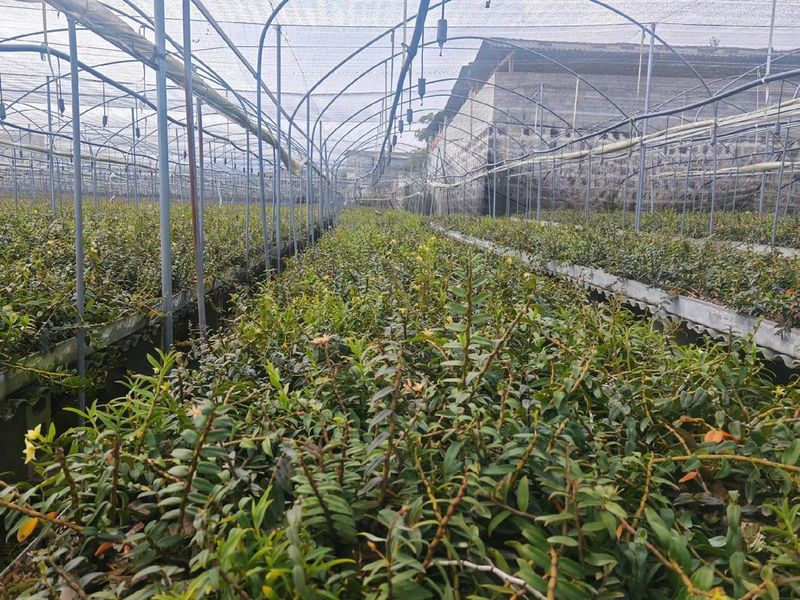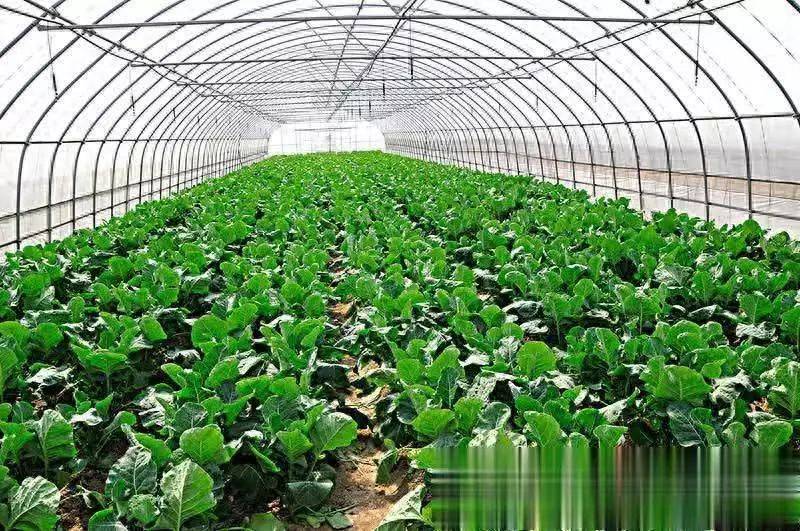
Modern vegetable production sheds
The old people often ask, "why do the same tomatoes in the shed have so many times a year, and the fruit is big and even, and the open-air species have to look at god's face?" behind this, the core is two words: "control." growing in large sheds brings the lord's work to his own hands; growing in the open is dancing with nature when it comes to it。
In simple terms, the heart of shed cultivation is the creation and control of a near-ideal small environment by man, while open-air cultivation is adapting to and utilizing natural environments. One is carefully cared for like the greenhouse, and one is like the wild. In both models, from temperature light to management of water fertilizers, to pest and pest control and, ultimately, economic benefits, the path is very different。
Environmental control: one by one, one by heaven
That is the most fundamental difference. The sheds are like a “climate regulator” and growers can proactively intervene in key factors such as temperature, humidity and light. Winter can be warmer, summer can cover the sun, and precision control of irrigation and air moisture. While open-air cultivation is entirely dependent on the natural climate, temperature, rainfall and wind power are not controlled, and planting time is strictly limited to the local frostless period and suitable growing season。
Temperature and season
Big sheds for the anniversary
Open cultivation is seasonally restricted (spring/fall)
Light and humidity
Artificial regulation of shed cultivation
Open-air cultivation depends entirely on nature
Open tomato fields
Pollination method: natural wind vs artificially assisted
The tomatoes grown in the open are home-grown pollination plants that rely on natural wind and insects for pollination and management relative care. While the shed is relatively closed space, lack of wind and insects makes artificially assisted pollination key to high productivity. Common methods include artificial grafts, vibrations or, more efficiently, biopowdering with bear bees in the shed。
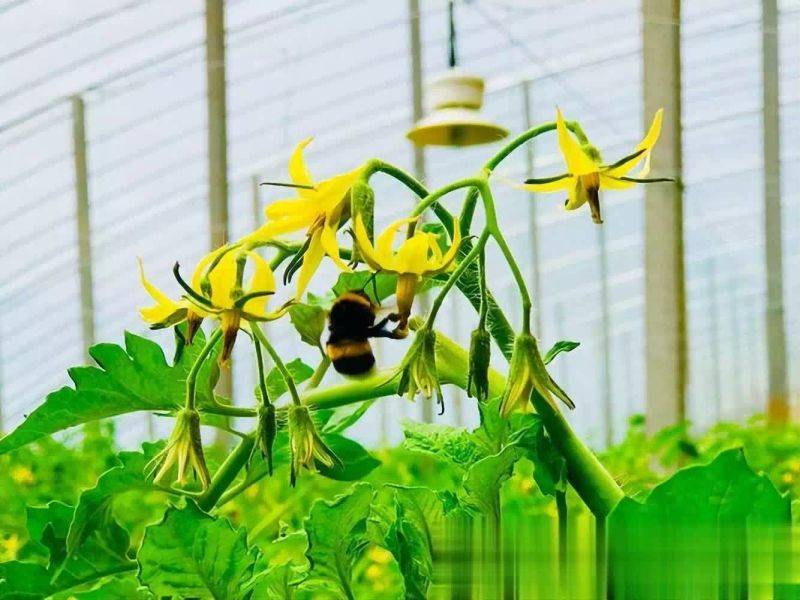
Bear bees pollute tomatoes
Fertilizers and plant protection: precision dripping vs
Facilities such as drip irrigation and micro-sprays, which are often accompanied by large sheds, can be integrated and provided with precision, waste and efficiency. Open-air cultivation is more dependent on rainfall and traditional ditch irrigation, and moisture control is difficult, with direct impacts on plantations due to continuous rainfall or drought。
In pest control, the closed environment effectively isolates some of the external insect sources and strains, but internal temperatures and humidity can also lead to froste, as well as grey disease. Open-air cultivation is threatened by more complex pests and diseases, with increased reliance on weather forecasting and integrated management。
Production and benefits: stable high yield vs see the harvest
Owing to the controlled environment and the long growth cycle (which leads to multiple cultivation), the area of per-unit tomato production is usually much higher than open cultivation. More importantly, the sheds can achieve counter-seasonal listing and offer good prices for vegetables in the off-season season, with significant economic benefits. Production and prices of open cultivation are more affected by natural and market fluctuations, but input costs are much lower。
There is, of course, a sense among the natives that tomatoes grown in the open are often more abundant and taste better after natural winds and higher temperatures of day and night. It's kind of nature's gift to eat by heaven。
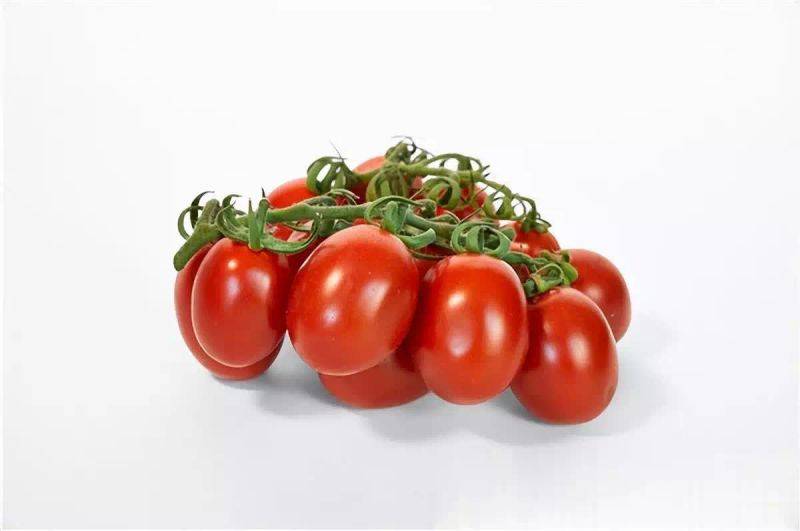
A close-up of the harvest of tomatoes
How do you choose? Look at the bottom, look at the market
In summary:
Choosing sheds: if you are well-funded, pursuing high productivity, robust production, counter-seasonal efficiency and willing to devote more energy to fine-tuning management, the sheds are a better option. Selection of open air: open air cultivation is a more secure traditional route if there are limited start-up funding, large areas of cultivation, a higher value for natural wind, lower initial inputs and suitable local climatic conditions。
In either way, selection of varieties and fine management are the basis for harvests. For our farmers, there is no best way, only the path best suited to our own circumstances and market needs。
It's a good word
The “uncertainty” is natural, turning it into a “calculable” workshop, while the open-air cultivation, in consultation with the heavens and the earth, harvests a taste of wind and earth. What's more suitable for your land and dreams